Choosing the best DC Charger is essential for electric vehicle (EV) owners. A report by the International Energy Agency (IEA) highlighted that global EV sales could reach over 30 million units by 2026. As the demand for swift charging grows, selecting the right charger becomes crucial.
Industry expert Dr. Emily Carter states, "The efficiency and reliability of a DC Charger can significantly impact the user's experience." Understanding your needs is key, especially with varied charging speeds and compatibility factors. For personal or commercial use, the choice may vary greatly based on power output and installation requirements.
While many options exist, not all chargers are created equal. Evaluating features like charging speed, cost, and installation complexity requires thorough research. Buyers may overlook essential details, leading to dissatisfaction. Prioritizing a detailed understanding of one’s unique needs will ultimately guide you toward the ideal DC Charger solution.
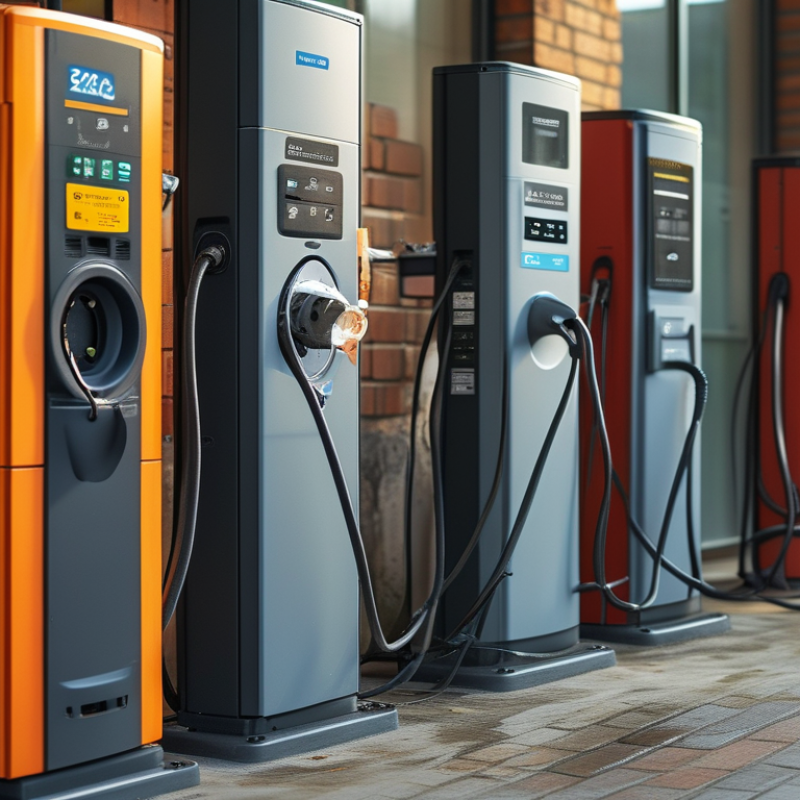
Understanding Different Types of DC Chargers Available in the Market
When choosing a DC charger, understanding the types available is crucial. They come in various configurations suitable for different electric vehicles (EVs). Level 3 DC fast chargers, for instance, provide rapid charging, significantly reducing downtime. According to a report by the International Energy Agency, these chargers can charge a vehicle to 80% in just 30 minutes.
Different chargers vary in output power, commonly ranging from 50 kW to over 350 kW. This makes them ideal for commercial use, especially in fleet operations and public charging stations. A finding by the U.S. Department of Energy highlights that vehicles equipped with high-capacity batteries benefit the most from higher-output chargers.
Still, not all users need a high-output option. For residential users, lower-capacity DC chargers may suffice. Many factors influence this choice, including daily driving habits and budget constraints. Reports show that lower-kW options are generally cheaper and easier to install but may take longer to charge vehicles. Evaluating individual needs against these available options is critical. Each user’s situation may require a different approach, demanding careful thought and reflection.
2026 How to Choose the Best DC Charger for Your Needs?
| Charger Type |
Output Power (kW) |
Charging Speed (miles/hour) |
Compatibility |
Cost Range ($) |
| DC Fast Charger |
50 - 300 |
100 - 500+ |
Most EVs |
10,000 - 50,000 |
| Level 2 AC Charger |
3.3 - 19.2 |
10 - 60 |
Most EVs |
500 - 1,500 |
| Home Charger |
3.3 - 7.2 |
10 - 30 |
Most EVs |
300 - 1,000 |
| Portable Charger |
1.2 - 3.6 |
2 - 10 |
Most EVs |
100 - 500 |
Identifying Your Charging Needs and Vehicle Compatibility
When choosing a DC charger, it's crucial to assess your charging needs and vehicle compatibility. Various factors come into play. Personal driving habits determine how often you will charge. For instance, a daily commuter might need a more powerful charger than someone who charges less frequently. According to a recent industry report by the International Energy Agency, nearly 35% of electric vehicle (EV) users prefer a charger capable of delivering at least 100 kW to minimize downtime.
Vehicle compatibility is another key consideration. Not all chargers work with every type of EV. Research indicates that charging standards can differ significantly between manufacturers. For example, Tesla's charging system operates differently compared to other brands, making it essential to verify compatibility. A mismatch could lead to inefficient charging or even damage to the vehicle's battery.
Finally, installation location is important. Charging at home offers convenience but may require upgrades to your electrical system. Alternatively, public charging stations vary in availability and speed. According to statistics, approximately 20% of EV owners express frustration over the limited number of fast-charging stations in urban areas. Understanding these aspects can lead to a more satisfying charging experience.
Evaluating Charger Speed and Power Output Requirements
When evaluating charger speed and power output requirements, understanding your vehicle's specs is crucial. Electric vehicles (EVs) have varying battery capacities and charging rates. For instance, Level 2 chargers typically deliver around 7.2 kW to 19.2 kW. This can substantially reduce charging time compared to standard outlets. Depending on the battery size, a higher output can replenish energy much faster. According to industry data, a Level 2 charger can restore about 25 miles of range per hour, making it ideal for daily use.
Consider the total power output your vehicle requires. Most EVs support charging rates between 3 kW and 22 kW. However, some models can handle over 300 kW with fast chargers. A mismatch between your vehicle’s capabilities and the charger’s output may result in inefficiencies. Not all users need the maximum available power. In fact, drivers with shorter commutes can often find adequate solutions with lower output chargers.
Battery management systems also play a vital role. They regulate power intake and can limit charging speeds. As highlighted by recent reports, an inefficient charger can lead to overheating and battery degradation. Users must reflect on their actual needs versus potential future upgrades. It's essential to strike a balance between charging speed, efficiency, and vehicle compatibility for lasting benefits.
Considering Safety Features and Certifications for DC Chargers
When selecting a DC charger, safety features must be a priority. Look for chargers that meet recognized safety standards. Certifications such as UL or IEC indicate that a charger has undergone rigorous testing. These certifications ensure the device has been evaluated for electrical safety, minimizing risks of short circuits or overheating.
Heat dissipation is another critical consideration. A well-designed charger should have adequate ventilation to avoid excessive heat buildup. Overheating can damage both the charger and the vehicle’s battery. Additionally, protective features like over-voltage and over-current protection play a vital role. These features help prevent electrical faults that can lead to accidents or equipment failure.
It's essential to consider the charger’s user interface as well. Simple, understandable controls enhance safety. Confusing indicators can lead to misuse, which is counterproductive. A user-friendly design prompts better handling and reduces risks.
Reflecting on your needs can refine your choice. Consider the environment in which you will use the charger. Will it be outdoors or in a garage? Extreme weather may affect performance. A deeper understanding of your requirements can lead to a safer, more reliable charging experience.
2026 DC Charger Safety Features Comparison
Assessing Budget and Installation Requirements for Your Charger
When selecting a DC charger for your electric vehicle, understanding your budget and installation needs is crucial. A report from the International Energy Agency indicates that the average cost of a DC fast charger can range from $10,000 to $40,000. This large price variance depends on several factors, including charger capacity, installation complexity, and site readiness.
Installation requirements can greatly influence the overall expenditure. A site requiring extensive electrical upgrades may significantly increase costs. Many installation projects average around $5,000 to $15,000, on top of the charger’s price. It’s essential to assess your electrical infrastructure prior to purchase. If you lack sufficient power supply, additional transformers may be necessary.
Tip: Always consult a qualified electrician to understand necessary upgrades. This can help avoid unforeseen costs later. Additionally, securing permits and adhering to local regulations is vital. These steps mitigate installation risks, ensuring a smoother process.
Achieving the best match involves careful planning around your budget and site requirements. Remember, investing in a quality charger now can benefit your long-term electric vehicle experience. However, poor planning can lead to overestimating needs or underestimating costs, complicating your project further. Evaluate your situation diligently before making purchases.
FAQS
: DC chargers come in various types. Level 3 DC fast chargers are among the most popular. They provide rapid charging, taking just 30 minutes for an 80% charge.
DC charger outputs range from 50 kW to over 350 kW. Higher-output chargers are ideal for commercial uses, but not all users need that power.
Not necessarily. Many residential users find lower-capacity DC chargers sufficient based on their driving habits. Lower-capacity options are generally cheaper.
Charger speed directly influences charging time. Level 2 chargers typically deliver 7.2 kW to 19.2 kW, with faster charging restoring range more quickly.
Users should evaluate their vehicle's specs and daily driving needs. A mismatch could lead to inefficiencies or prolonged charging times.
Installation costs can vary widely. Factors include electrical upgrades, site preparation, and overall complexity, averaging an additional $5,000 to $15,000.
Consulting an electrician helps assess electrical needs and necessary upgrades. This can avoid unexpected costs during charger installation.
Battery management systems control power intake and influence charging speeds. Poorly matched systems can cause overheating or battery damage.
Users should reflect on their actual driving habits and future needs before purchasing. Poor planning can complicate the installation project.
Consider future upgrades for your new vehicle when selecting a charger. Balancing current needs with potential changes is crucial for long-term benefit.
Conclusion
When choosing the best DC charger for your needs, it's essential to understand the various types available in the market. Different chargers serve distinct applications, so it's crucial to identify your specific charging needs and ensure compatibility with your vehicle. Evaluating the speed and power output requirements will also help you determine the most efficient option for your charging preferences.
Additionally, safety features and certifications are paramount when selecting a DC charger, as they ensure safe operation and compliance with industry standards. Finally, assessing your budget and any installation requirements will help streamline your decision-making process. By considering these factors, you can make an informed choice that meets your charging needs effectively.

 Wemax Power