Engineered for high thermal tolerance, smart alternator compatibility, and automated multi-chemistry charge curves.
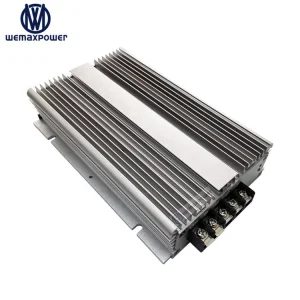
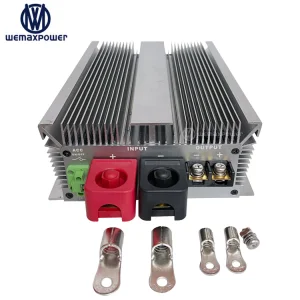
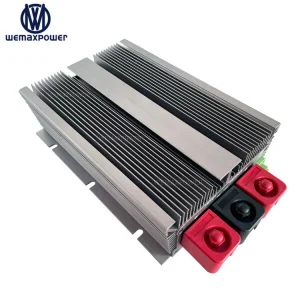
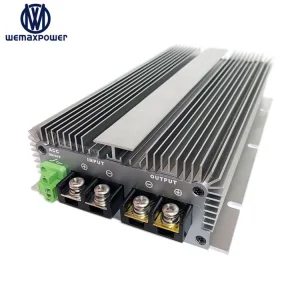
How the evolution of modern vehicle charging topologies is reshaping battery-to-battery utility architectures.
In the contemporary mobile power architecture landscape, the role of DC-DC battery-to-battery chargers has grown exponentially. As automotive manufacturers transitions from fixed-voltage alternators to smart alternators designed to comply with strict Euro 6/Euro 6d environmental regulations, traditional voltage-sensitive relays (VSRs) are no longer sufficient to charge secondary battery banks. Smart alternators dynamically adjust output voltages based on engine load and regenerative braking states, frequently dipping below 12.5V. This voltage fluctuation leaves auxiliary lead-acid or LiFePO4 batteries undercharged, causing sulfation or premature battery management system (BMS) shutoffs.
Advanced B2B charging modules solve this challenge by decoupling the starter battery circuit from the auxiliary system. By incorporating integrated buck-boost topologies, these devices accept wide input ranges (e.g., 9V to 16V) and deliver regulated, temperature-compensated output voltages. Consequently, campers, commercial utility trucks, marine systems, and off-grid configurations receive a steady, optimized multi-stage charge curve profile despite fluctuations in alternator voltage.
Deep-dive analysis of hardware protection protocols, thermal management systems, and smart control components.
Features buck-boost technology that automatically step up or step down alternator output voltage. Ensures a consistent charge profile for 12V, 24V, or 36V auxiliary banks, even with low input voltages from smart alternators during engine idle.
Integrated microprocessors manage pre-programmed charge curves for Lithium Iron Phosphate (LiFePO4), AGM, Gel, and traditional flooded lead-acid batteries. Ensures correct bulk, absorption, and float voltage parameters.
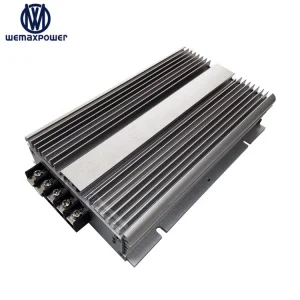
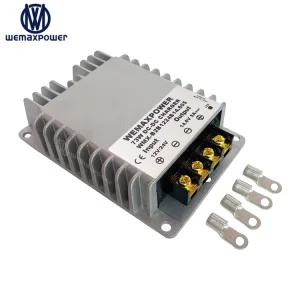
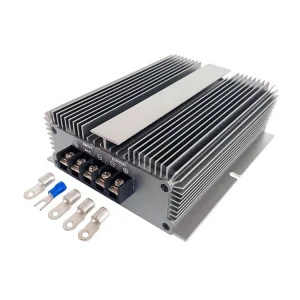
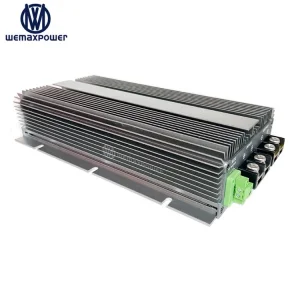
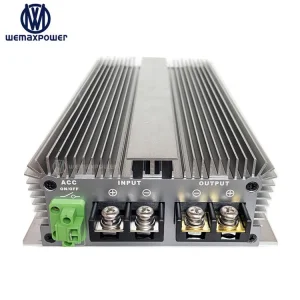
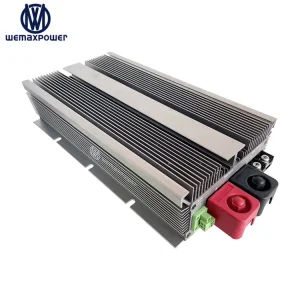
Designed with high-density polyurethane potting for an IP68 waterproofing rating. These chargers are built to withstand high-vibration automotive, commercial fleet, and saltwater marine environments.
| Module Category | Input Voltage Parameters | Nominal Output Current | Compatible Battery Chemistries | Ingress Rating |
|---|---|---|---|---|
| 12V to 14.6V Standard Step-Up | 12.5V - 16V DC | 10A / 20A / 30A / 50A / 80A / 100A | LiFePO4, SLA, AGM, Gel | IP68 Waterproof |
| 12V to 29.2V (24V Nominal) Boost | 10V - 16V DC | 15A / 20A / 50A | LiFePO4 (8S), Lead Acid (24V) | IP68 / Marine Grade |
| 12V to 43.8V / 58.4V Multi-Stage | 9V - 16V DC | 5A - 60A Dynamic | LiFePO4 (12S / 16S), Trolling Motors | Sealed Extruded Aluminum |
Over 7 years of engineering expertise in programmable power designs, high-capacity converters, and battery charger manufacturing.
Founded on rigorous industrial design standards, Shenzhen Wemaxpower Technology Co., Ltd. provides reliable power conversion systems to global B2B buyers. Our catalog includes programmable DC power supplies, step-up/step-down converters, and battery charging modules built to support commercial transit fleets, off-grid cabins, and marine vessels.
Quality control is central to our manufacturing process. We implement a rigorous, structured 4-Step Quality Control Protocol across all production runs:
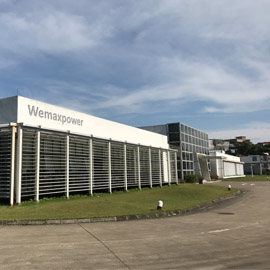



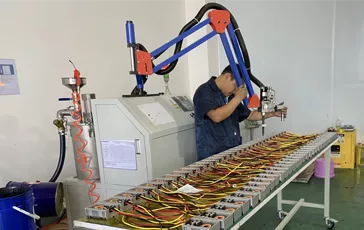

The factory team will deliver you quality-guaranteed orders.
Developing next-generation energy management topologies for complex vehicular electrical architectures.
Integrating Gallium Nitride power transistors to reduce switching losses, shrink module footprint, and increase conversion efficiency up to 97.5%.
Implementing standardization protocol profiles. This allows the RV's central monitoring panel or smartphone applications to read voltage, current, and cell temperatures in real-time.
Developing dynamic bidirectional conversion stages to enable vehicle-to-load utility. This allows power transfer from the auxiliary bank back to the starting battery if cranking voltage drops below thresholds.
Engineered to deliver reliable power conversion across varying operational conditions and vehicle configurations.
Overcomes the limitations of modern smart alternators by providing steady 3-stage charging to secondary LiFePO4 house batteries while driving. Prevents alternator overload and isolates the starting battery when the engine is shut down.
Guarantees that power tools, hydraulic lifts, and communication equipment remain charged. Auxiliary battery systems are charged during travel between work locations, minimizing idle time and fuel consumption.
Provides IP68 water resistance to charge high-voltage trolling motor banks (24V or 36V) directly from the vessel's primary 12V starting battery and alternator, eliminating the need for dedicated mains power charging.
Answering key installation and engineering questions regarding B2B battery-to-battery charging modules.
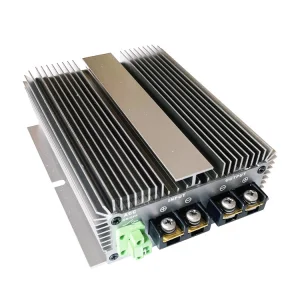
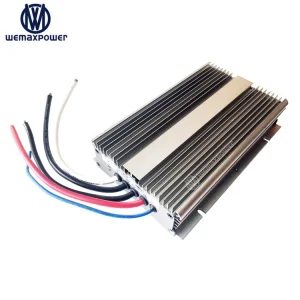
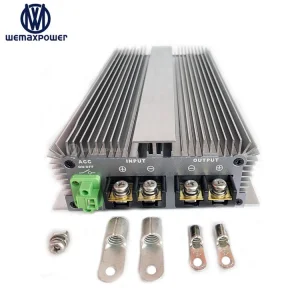
Heavy-duty, waterproof modules optimized for high-current applications and marine environments.
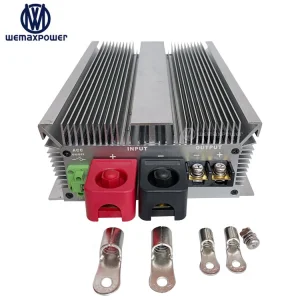
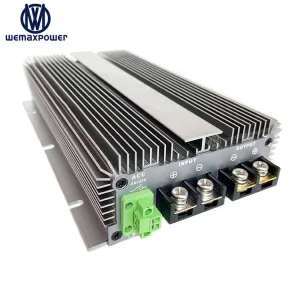
 Wemax Power