Engineered for superior reliability, high energy density, and minimal thermal footprint
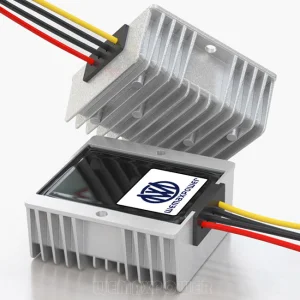
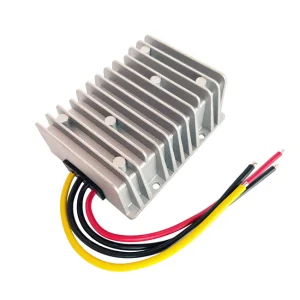
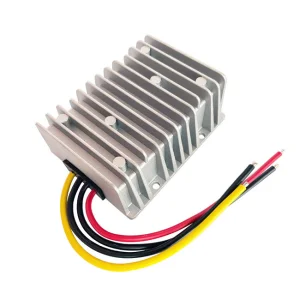
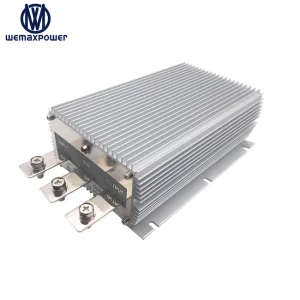
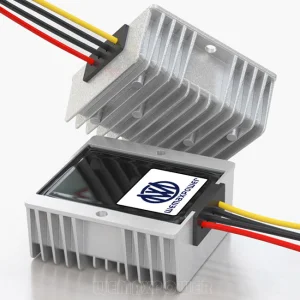
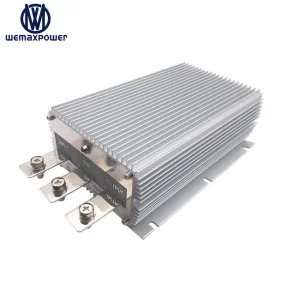
In modern electronic design and industrial electrical distribution, stepping up low-voltage sources to higher operational voltage thresholds is an essential technological capability. Step-up DC-DC converters, also known as boost converters, are core power modules that accept an input direct current (DC) voltage and convert it to a higher regulated output DC voltage. From stabilizing low-voltage inputs (such as 12V or 24V vehicle batteries) up to industrial-grade operating levels (such as 36V, 48V, or 60V), these modules ensure continuous, clean, and highly efficient energy delivery.
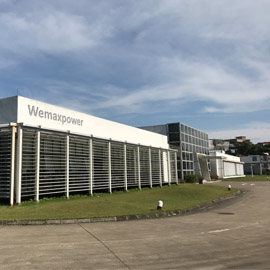
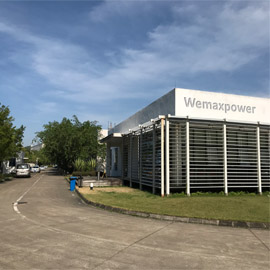
At Shenzhen Wemaxpower Technology Co., Ltd., we utilize over 7 years of deep manufacturing expertise to design, optimize, and distribute state-of-the-art step-up converters that directly address these evolving market needs. Through advanced synchronous rectification technology, high-grade magnetic core topologies, and robust aluminum alloy structural casing, our boost converters are engineered to excel in the most challenging application environments.
The requirements for step-up power solutions vary extensively across global geographical regions and economic sectors. Understanding these localized trends allows us to tailormake our product architectures to fit target specifications.
Standard heavy machinery and commercial vehicles operate on 12V or 24V power systems. However, diagnostic equipment, safety devices, and air conditioning compressors require higher voltages (36V to 60V) to work effectively without drawing prohibitive amounts of current.
Saltwater exposure and extreme dampness demand IP67 or IP68 waterproof ratings. Battery systems onboard marine vessels must reliably power specialized radar units, high-draw anchor winches, and navigation nodes that operate at stepped-up voltage levels.
The latest Starlink Gen 3 antenna installations operate optimally on highly stable, high-wattage DC supplies. Utilizing our DC-DC converters, users can run these communications systems directly off their standard 12V or 24V battery systems without using inefficient AC inverters.
Efficiency is the primary metric by which a boost converter is judged. Conventional boost circuits experience notable energy loss via diode voltage drops. Wemaxpower implements Synchronous Rectification (SR), substituting high-performance MOSFETs for standard diodes. This dramatically reduces conduction losses, allowing our modules to achieve efficiencies up to 96%.
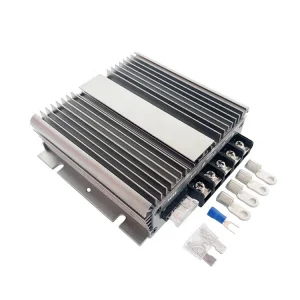
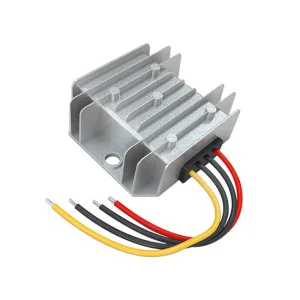
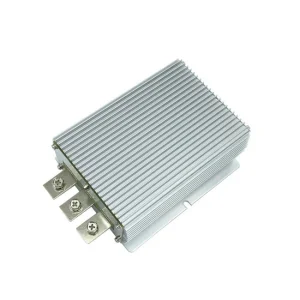
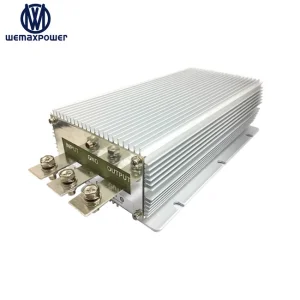
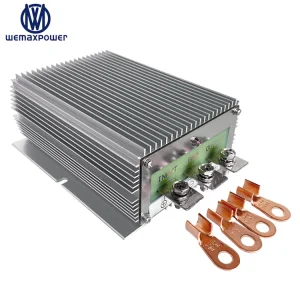
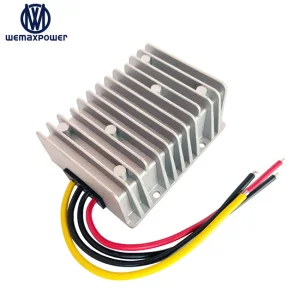
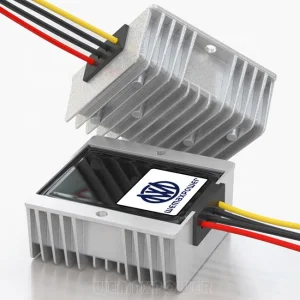
Converting voltage produces heat, which can quickly degrade component lifespan if not handled properly. Our high-power converters (such as our 40A boost models) utilize die-cast aluminum enclosures featuring optimized heat-sink fins. Inside, the electronics are completely sealed in a high-thermal-conductivity organic silica gel potting. This double-benefit design ensures that heat generated at the switching nodes is quickly transferred to the external environment, while protecting the components from dust, vibrations, and water ingress.
| Technical Characteristic | Typical Industry Standard | Wemaxpower Premium Standards | Engineering Benefit |
|---|---|---|---|
| Power Conversion Efficiency | 85% - 90% | Up to 96% | Less heat dissipation, lower energy drain on supply batteries. |
| Ingress Protection | IP54 / IP65 | Fully Certified IP67 / IP68 | Protected against total immersion in water, ideal for marine & outdoor use. |
| Enclosure Material | Stamped Sheet/Plastic | Die-Cast Anodized Aluminum | Superior structural integrity and passive heat dissipation. |
| Protection Features | Basic Overcurrent | Over-current, Over-voltage, Over-temperature, Short-circuit | Auto-recovery failsafes prevent damage to both source and load. |
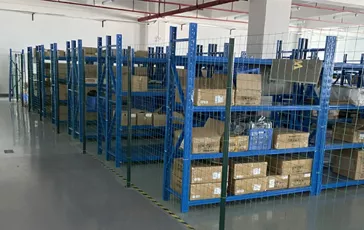
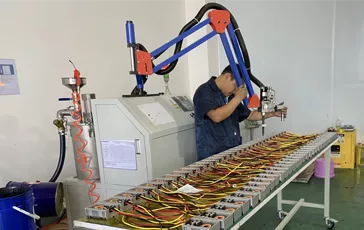
Reliability cannot be achieved by chance; it is the product of strict, repeatable manufacturing processes. At Shenzhen Wemaxpower Technology Co., Ltd., we have spent 7 years refining our power electronics engineering pipelines. Our dedication to zero-defect manufacturing is demonstrated in our comprehensive 4-Step QC process:
Every batch of incoming capacitors, inductors, printed circuit boards (PCBs), and MOSFETs undergoes strict inspection. Only components meeting our thermal tolerances are released to production.
Automated Optical Inspection (AOI) scans populated boards after component reflow to find any soldering anomalies, bridge defects, or misalignment instantly.
Fully assembled and potted modules are placed on automated test benches. Here, we measure dynamic voltage regulation, transient response under load, and conversion efficiency.
Prior to packing, every unit undergoes continuous high-temperature burn-in tests at full load to detect and eliminate any potential early-life component failures.

Operating globally means meeting the safety and compliance standards of many different international markets. Our products hold comprehensive CE certifications, verifying that they meet demanding European Union safety, health, and environmental protection requirements.
Furthermore, our technical support extends beyond standard catalog orders. We work directly with engineers, distributors, and purchasing departments in North America, Europe, Australia, and Southeast Asia. Whether you require specific wire harnesses, custom output voltage tuning, or custom packaging options, our team is equipped to deliver specialized solutions quickly and reliably.
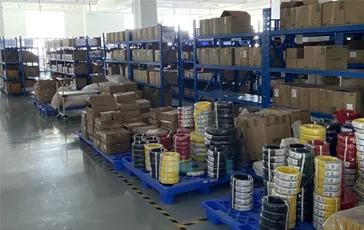
The power electronics sector is moving toward even higher switching frequencies and smaller footprints. By adopting Wide Bandgap (WBG) materials, specifically Gallium Nitride (GaN) and Silicon Carbide (SiC) semiconductors, the next generation of Wemaxpower step-up converters will offer even smaller footprints and improved thermal limits.
We are also integrating digital control loops into our high-power lines, which will allow for real-time monitoring of input/output voltage and current, as well as operating temperatures over standard industrial communications protocols like Modbus or CAN bus. This step forward is essential for smart grids, remote telecommunication hubs, and advanced electric vehicle architectures.
Tested under real-world conditions for vehicles, laptops, and remote power networks
Answers to common engineering queries regarding step-up DC-DC conversion technology
 Wemax Power