In the rapidly evolving realm of electronics, the step down converter stands as a pivotal component for efficient power supply design. Renowned expert Dr. Emily Carter, a leading authority in power electronics, emphasizes, "A properly designed step down converter can significantly enhance energy efficiency." This insight sheds light on the importance of effective voltage regulation.
Step down converters, also known as buck converters, allow for the reduction of voltage while maximizing the current output. Their application spans a wide range of consumer electronics, renewable energy systems, and electric vehicles. Despite their advantages, many designers overlook critical aspects of their implementation. It is essential to select the right components and configurations to avoid inefficiencies.
Moreover, while the technology offers numerous benefits, challenges remain in optimizing performance. Understanding the intricate details of switching times and thermal management can prove difficult. An imperfect approach can lead to wasted energy and increased heat generation. Thus, mastering the art of using a step down converter is not merely beneficial; it is essential for those seeking to push the boundaries of power efficiency.
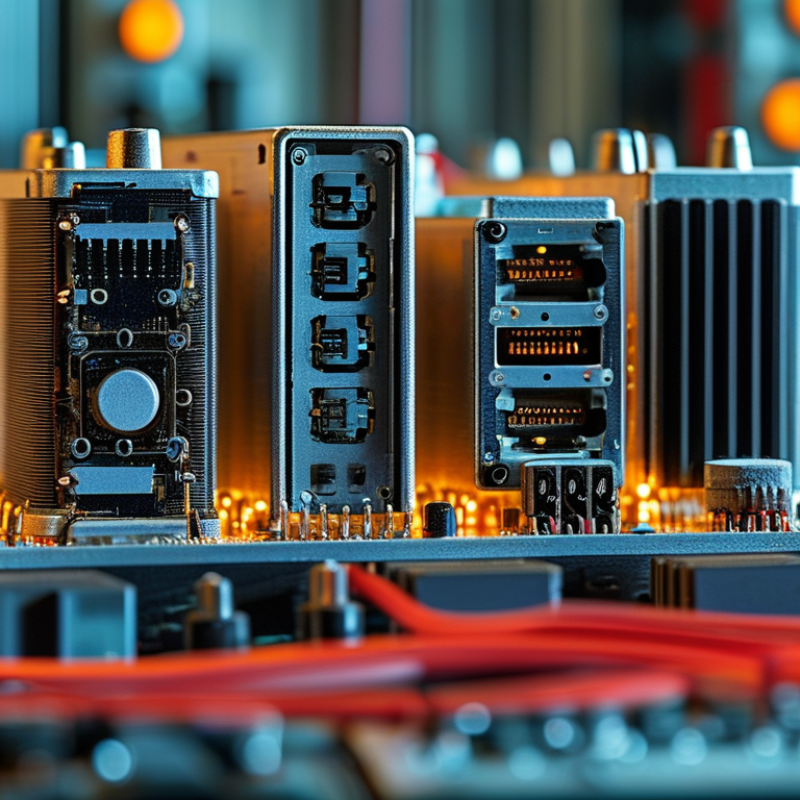
Understanding the Basics of Step Down Converters
Step down converters, known as buck converters, play a crucial role in power supply systems. Their primary function is to reduce voltage while increasing current. This makes them ideal for applications requiring a lower voltage than what a power source provides. Many devices, like smartphones and laptops, rely on them for efficient energy management.
Understanding the basics of step down converters involves grasping their key components. These include an inductor, a switch, and a diode. When the switch is on, energy flows through the inductor, and when it turns off, the energy is released to the output. However, efficiency can vary. Not all converters perform well under every condition. Factors like load variations can lead to inefficiencies. Noticing these details can improve performance and reliability.
Efficiency is not the only aspect to consider. Understanding how to set parameters is vital. Users may struggle with finding the right configuration. Incorrect settings can cause overheating or insufficient output. It's essential to experiment and analyze performance. Each scenario may need a slightly different approach, leading to better overall outcomes.
2026 How to Use Step Down Converter for Efficient Power Supply? - Understanding the Basics of Step Down Converters
| Parameter |
Value |
Description |
| Input Voltage (V) |
12V |
The voltage supplied to the converter. |
| Output Voltage (V) |
5V |
The voltage after stepping down. |
| Output Current (A) |
2A |
The maximum current output from the converter. |
| Efficiency (%) |
90% |
The efficiency of the conversion process. |
| Switching Frequency (kHz) |
100kHz |
The frequency at which the converter operates. |
| Ripple Voltage (mV) |
50mV |
The fluctuation in output voltage. |
The Working Principle of Step Down Converters Explained
Step down converters, also known as buck converters, are essential for efficient power supply systems. They reduce voltage while maintaining power efficiency, making them suitable for various applications. The working principle revolves around switching devices, inductors, and capacitors. By alternating between on and off states, the converter regulates the output voltage.
When the switch is closed, current flows through the inductor. This stored energy is crucial for voltage transformation. Once the switch opens, the inductor releases its energy, helping to maintain a constant output voltage. The process requires careful timing. A poorly timed switch can lead to energy loss and reduced efficiency.
Choosing the right components increases the converter's reliability. The inductor's size influences performance, but bigger isn't always better. It must be appropriately sized for the application. Equally, capacitors play a role in filtering out voltage ripple. Inadequate filtering can result in unstable outputs. Achieving a balance is key for effective operation. Understanding these principles enhances the design of power supply systems.
Applications of Step Down Converters in Power Supply Systems
Step down converters, also known as buck converters, play a key role in power supply systems. They reduce voltage levels while maintaining efficiency. This efficiency is critical in various applications, from consumer electronics to industrial machinery. In these contexts, the demand for reliable power supply is high. Step down converters provide stable outputs, which is essential in sensitive electronic devices.
One common application is in battery-powered devices. These converters ensure batteries discharge efficiently. This not only maximizes battery life but also enhances device performance. In renewable energy systems, step down converters adapt the voltage from solar panels to match the requirements of rechargeable batteries. This adaptability promotes energy conservation.
Tips: When selecting a step down converter, always consider the load requirements. An incorrectly matched converter can lead to inefficiencies. Regularly check for overheating; this might indicate an issue. Remember, even small adjustments can lead to better performance overall. Keep these considerations in mind when integrating step down converters into your systems.
Benefits of Using Step Down Converters for Efficiency
Step down converters, also known as buck converters, play a crucial role in enhancing power efficiency. These devices reduce voltage while maintaining high current, making them essential in various applications. According to a report by Research and Markets, the global buck converter market is projected to reach $2.5 billion by 2026, reflecting increasing demand for efficient power solutions.
The benefits of using step down converters are manifold. They are highly efficient, often exceeding 90% efficiency under optimal conditions. This efficiency leads to reduced heat generation, prolonging the lifespan of components. Additionally, many step down converters are compact and lightweight, making them suitable for portable devices. Despite these advantages, users must consider aspects like maximum load current and thermal management to prevent potential inefficiencies.
When integrated into power supply systems, step down converters can significantly lower energy consumption. They translate to operational cost savings for industries relying on large-scale manufacturing or processes. However, achieving optimal performance requires careful design considerations. Factors like switching frequency and inductor selection can impact efficiency. Manufacturers report that improper circuit design can result in losses of up to 10%, indicating a need for meticulous planning.
Efficiency of Step Down Converters in Power Supply
Installation and Safety Guidelines for Step Down Converters
Installing a step-down converter requires careful consideration. Ensure that the area is well-ventilated. This helps prevent overheating. The unit should be mounted on a stable surface. Avoid locations with excessive vibrations. Make sure that you have proper tools ready. Using the right tools ensures that the installation goes smoothly.
Safety is paramount when working with electrical components. Always disconnect power before installation. This prevents electrical shocks. Use insulated tools when making connections. Additionally, double-check all wiring. Mistakes can lead to short circuits. Once everything is connected, test the system gradually. Monitor for unusual sounds or smells.
Proper grounding is critical. It safeguards both the converter and the connected devices. If you notice any discrepancies, don’t ignore them. Reflecting on potential issues can save you from future headaches. Regularly inspect connections and components. This maintenance ensures longevity and efficiency.
FAQS
: Step-down converters reduce voltage levels efficiently in power supply systems.
They maximize battery life and enhance device performance by ensuring efficient discharge.
They adapt voltage from solar panels to meet the needs of rechargeable batteries.
Load requirements must be matched correctly to avoid inefficiencies.
Always disconnect power, use insulated tools, and double-check wiring before connecting.
Proper grounding protects both the converter and connected devices from damage.
Regularly inspect connections and components to ensure longevity and efficiency.
Overheating may suggest a potential issue that requires attention.
Even minor tweaks can significantly improve efficiency and reliability in systems.
Investigate immediately, as they may indicate underlying problems that need addressing.
Conclusion
A Step Down Converter, also known as a buck converter, is an essential component in modern power supply systems characterized by its ability to efficiently reduce voltage levels while maintaining high power efficiency. Understanding the basics of these devices involves recognizing their working principle, which leverages inductors, capacitors, and semiconductor switches to convert a higher input voltage to a lower output voltage effectively.
The applications of Step Down Converters are vast, ranging from powering consumer electronics to facilitating renewable energy systems. Their benefits include improved energy efficiency and reduced heat generation, making them ideal for various applications. However, proper installation and adherence to safety guidelines are crucial to ensure optimal performance and reliability of these converters, safeguarding both the device and its surroundings.

 Wemax Power