In the sphere of electrical engineering, the notion of an "Isolated Converter" holds significant importance. This device is designed to separate its input and output, ensuring safety and reliability in various applications. It is critical in situations where voltage levels need to be managed or when sensitive components require protection from potential spikes.
Understanding the function and benefits of an Isolated Converter is essential for engineers and designers alike. These converters play a key role in enhancing efficiency and safety in power systems. However, not all designs achieve optimal performance. This reality invites a deeper exploration into how these converters can be improved.
Many users encounter challenges when selecting the right type of Isolated Converter for their specific needs. There are many models available, each with distinct features. This variety can be overwhelming. It’s vital to weigh trade-offs when considering isolation voltages, efficiency ratings, and circuit designs to find the best fit. As we delve deeper into this topic, we’ll uncover the intricacies and potential pitfalls of Isolated Converters, fostering a better understanding of their capabilities and limitations.
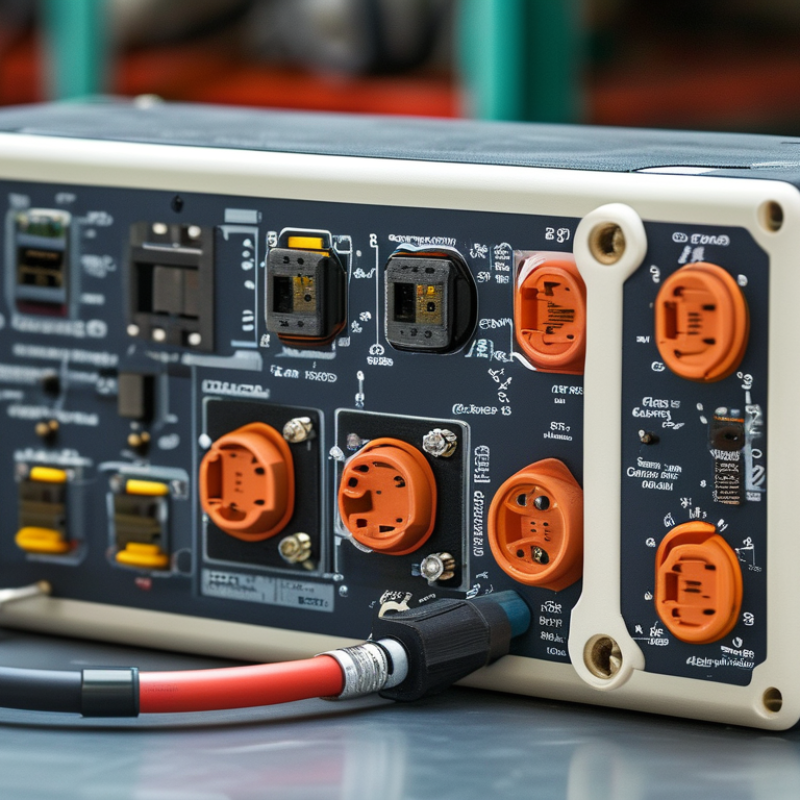
An isolated converter is a crucial component in modern electrical systems. It is designed to transfer electrical energy between two circuits while ensuring safety and preventing electrical shock. Isolated converters provide galvanic isolation, which means that there is no direct electrical connection between the input and output. This feature is essential in protecting sensitive devices from voltage spikes and electrical noise, which could otherwise cause damage.
The design of an isolated converter often involves transformers or opto-isolators. These components help maintain the separation of circuits. For example, in a power supply unit, an isolated converter converts high voltage to a lower, more manageable level. It enables safe operation for end-user devices, enhancing reliability. However, not all designs achieve perfect efficiency, and losses can occur. Engineers must constantly evaluate transformer sizes and switching frequencies to optimize performance.
Despite advancements, isolated converters face challenges. The complexity of the circuit design can increase manufacturing costs. Engineers might struggle to find balance between cost and performance. Simple errors in design can lead to reduced effectiveness, so thorough testing is vital. Understanding the nuances of these converters is key to improving their functionality and reliability in real-world applications.
Isolated converters are vital in various applications. Understanding their key components is crucial to their functionality. First among these components is the transformer. It provides electrical isolation and voltage conversion. According to a report by Markets and Markets, the global transformer market is projected to reach $81 billion by 2025, highlighting its significance in power electronics.
Another essential component is the diode rectifier. It converts AC to DC within the isolated converter. Diodes are key in reducing losses during the conversion process. Studies suggest they can improve efficiency rates to over 95% in optimal conditions. However, the choice of diode must align with the operational frequency and voltage levels.
Capacitors are also critical. They store energy and smooth out voltage fluctuations. High-frequency capacitors like ceramic or tantalum are often preferred. Their reliability leads to enhanced performance in demanding environments. However, understanding their limitations, such as voltage ratings and leakage currents, is essential. Careful component selection helps ensure a robust and efficient isolated converter design.
Isolated converters play a crucial role in modern power systems, offering efficient voltage transformation while maintaining safety. There are several types of isolated converters, each serving specific applications. Examples include transformer-based designs, which are widely used for power supplies in industrial equipment and telecommunications. According to a recent report by Market Research Future, the isolated DC-DC converter market is projected to grow at a rate of 10% annually, driven by increasing demand for renewable energy systems.
Another key type is the flyback converter. Its simple design enables easy integration in various electronic devices. It provides isolation while converting voltages, making it ideal for low-power applications like LED drivers. Furthermore, the forward converter, known for higher efficiency, is gaining traction in electric vehicles and medical devices. Producers see heightened interest, with market analysts noting a significant uptick in investment in electric vehicle charging solutions.
Though isolated converters are effective, challenges exist. Switching losses and thermal management issues can affect performance. Manufacturers need continuous innovation to optimize efficiency. Improving reliability is essential, especially in critical applications like data centers. Effective screening for component quality helps mitigate potential failures. Ongoing research aims to address these shortcomings and enhance lifecycle performance. The future looks bright, yet industry experts highlight the importance of caution and thorough testing before deployment.
Isolated converters are pivotal in modern electronic systems. They provide a way to transmit power or signals while maintaining electrical separation. This property is crucial for safety and functionality. The working principle revolves around the use of transformers. Transformers enable voltage and current adjustments while isolating the input from the output.
When power is fed into an isolated converter, it passes through the primary coil of a transformer. This creates a magnetic field that induces voltage in the secondary coil. The output can be tailored to specific needs often resulting in higher efficiency. The challenge lies in ensuring minimal energy loss during this transfer. Every design choice matters, as the wrong component can lead to inefficiencies.
Other methods like capacitive coupling exist but may lack reliability. Feedback systems are commonly integrated to enhance performance. However, complexity can increase, leading to potential pitfalls in design. It's vital to continuously evaluate and refine these systems. A small oversight can have significant ripple effects in applications like power supplies and communication devices. The field is constantly evolving, requiring an adaptive approach to design and implementation.
Isolated converters play a pivotal role in modern power systems. They provide essential voltage transformation while ensuring safety by isolating the input and output. However, their implementation comes with both advantages and challenges.
One significant advantage is improved safety. By isolating different circuit sections, the risk of electrical shock reduces. Moreover, these converters often enhance system reliability. According to a recent report by the International Electrotechnical Commission, isolated converters can boost efficiency levels up to 95%. This efficiency is crucial in applications where energy loss must be minimized, such as in renewable energy systems.
Despite these benefits, challenges remain. The complexity of design can lead to increased costs. For instance, the integration of transformers adds weight and volume. This poses problems for space-constrained applications like electric vehicles. Additionally, electromagnetic interference (EMI) can become an issue, affecting system performance. Engineers must balance these factors in design processes. The trend towards miniaturization increases pressure on optimizing size while maintaining efficiency.
| Feature | Description | Advantages | Challenges |
|---|---|---|---|
| Input Isolation | Provides electrical isolation between input and output | Increases safety, protecting users from high voltages | More complex design increases cost |
| Efficiency | Converts power with minimal loss | Reduces energy costs and heat generation | Efficiency may vary with load |
| Size and Weight | Can be compact and lightweight | Ideal for portable and space-constrained applications | May require specialized components |
| Regulation | Maintains output voltage within specified limits | Ensures stable operation of connected devices | Can be sensitive to changes in input voltage |
| Cost | Higher initial investment compared to non-isolated converters | Long-term savings on reliability and maintenance | May not fit all budget constraints |
: A transformer provides electrical isolation and voltage conversion, ensuring safety and functionality in power electronics.
The diode rectifier converts AC to DC and reduces losses, improving efficiency rates to over 95% in ideal conditions.
High-frequency capacitors, like ceramic or tantalum, are often chosen for their reliability and performance in demanding environments.
Isolated converters are commonly used in power supplies for industrial equipment, telecommunications, and low-power applications like LED drivers.
Issues like switching losses and thermal management can hinder performance, requiring continuous innovation for optimization.
They utilize transformers that allow voltage and current adjustments while isolating the input from the output for safety.
Proper selection mitigates risks and enhances efficiency. A poor choice can lead to performance inefficiencies, which must be avoided.
Feedback systems enhance performance but also add complexity. This complexity could introduce design pitfalls that need careful management.
A small error in component choice can lead to significant inefficiencies, affecting overall application performance.
Improving reliability and continuously evaluating components is crucial for optimal performance and addressing potential failures.
An Isolated Converter is a crucial component in power electronics, designed to transfer electrical energy between two circuits while maintaining electrical isolation. It typically comprises key components such as transformers, switches, and control circuits that ensure efficient energy conversion and protection from voltage spikes. There are several types of Isolated Converters, including flyback, forward, and push-pull converters, each serving specific applications such as power supplies in communication systems and industrial equipment.
The working principle of Isolated Converters involves adjusting voltage levels while keeping the input and output circuits electrically isolated, enhancing system safety and reliability. Despite their numerous advantages, such as improved safety and reduced electromagnetic interference, Isolated Converters also face challenges like increased complexity and potential efficiency losses. Understanding these aspects is essential for engineers and designers to effectively implement Isolated Converters in various applications.

Wemax Power