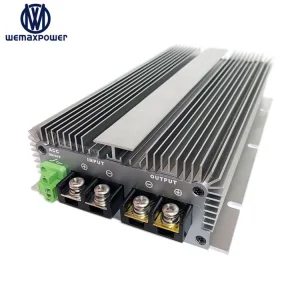
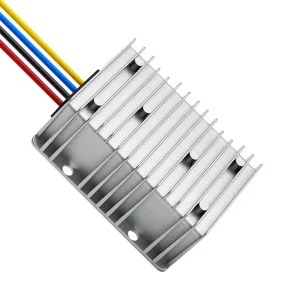
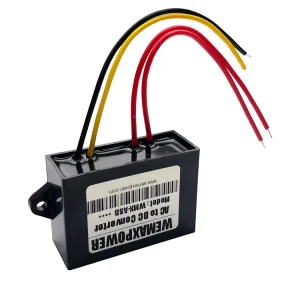
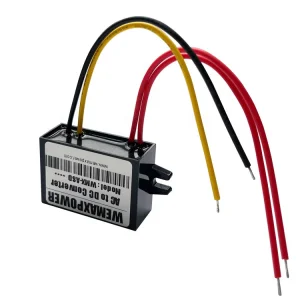
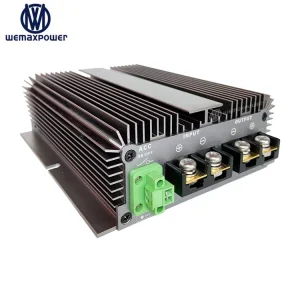
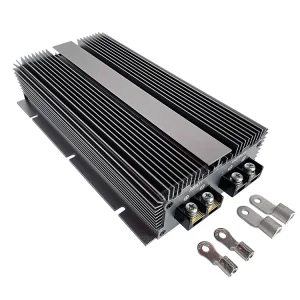
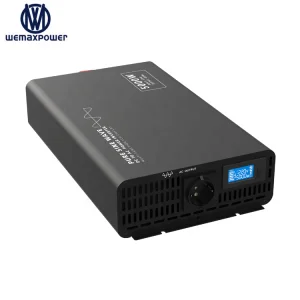
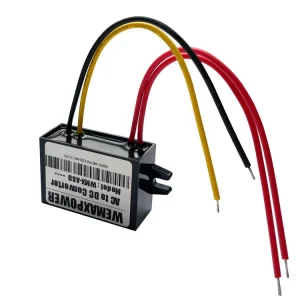
Explore our leading selection of smart chargers, galvanic isolated stabilizers, and wide-input voltage buck-boost step-down modules.
How technological shifts, energy efficiency targets, and regulatory standards are shaping next-generation industrial power electronics.
Industrial operations are migrating from passive distribution systems to intelligent Power Distribution Units (PDUs). These smart networks monitor electrical load, voltage fluctuations, and thermal performance in real time, preventing unexpected operational failures.
Safety protocols are tighter than ever. CE Certification acts as a critical entry gate in European markets, ensuring compliance with Low Voltage Directives (LVD) and Electromagnetic Compatibility (EMC) parameters. Non-certified systems risk operational liabilities and costly compliance interventions.
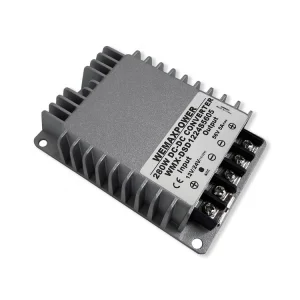
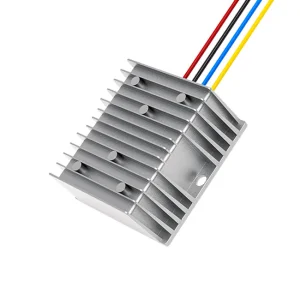
Industrial setups, telecommunication arrays, and electric vehicles are adopting localized DC-DC buck-boost converters to eliminate distribution line loss. Operating systems rely on stable, low-noise conversion topologies to safeguard delicate microprocessors.
"In modern automated ecosystems, power fluctuations represent 70% of unexpected automation line stoppages. Utilizing stabilized, certified power components and advanced conversion topology is no longer an option—it is a critical reliability baseline."
Shenzhen Wemaxpower Technology Co., Ltd. represents the cutting edge of contemporary power electronics manufacturing. Operating with 7 years of deep engineering experience, we deliver tailored industrial power distribution solutions, programmable DC power supplies, high-efficiency DC-DC step-down converters, and advanced power modules designed to support complex distribution topologies.
Located within Shenzhen's industrial cluster, Wemaxpower leverages a deeply integrated local supply chain. This physical proximity to prime component suppliers minimizes raw material lead times and enables rapid production adjustments. Our facility is optimized for low-latency distribution, guaranteeing prompt response times from layout design to shipping global logistics networks.
E-E-A-T relies on consistency. Wemaxpower maintains an uncompromised quality standard using a standardized 4-step testing framework for every single production run:
Individual component analysis including semiconductor screening, thermal ratings, and capacitor verification prior to assembly.
In-process structural monitoring using automated optical inspection (AOI) to confirm correct PCB solder lines and sub-circuit pathways.
Electrical testing against target criteria, measuring efficiency curves, thermal output, and voltage regulator accuracy under load.
Mandatory burn-in chamber processes to simulate operational life conditions and identify potential premature failures.
This comprehensive test matrix ensures our converters, charging circuits, and distribution modules withstand harsh, long-term operational stresses, significantly reducing total lifecycle costs for procurement managers worldwide.
Transparent insight into our production facilities, testing bays, and precision machinery.
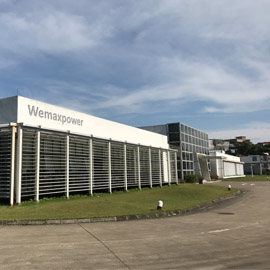
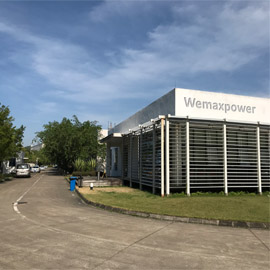

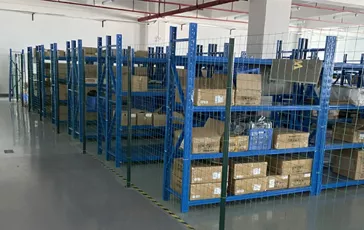
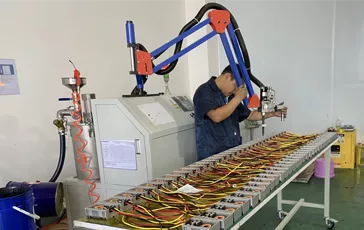
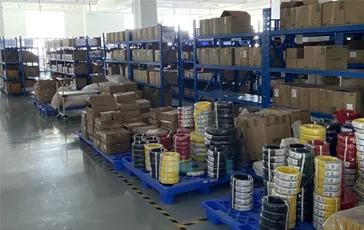
Where reliability meets implementation: adapting variable DC power units and smart converters to real-world operational challenges.
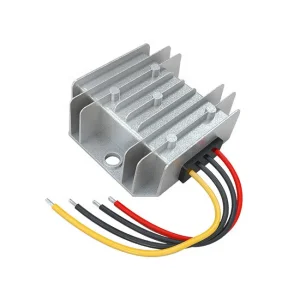
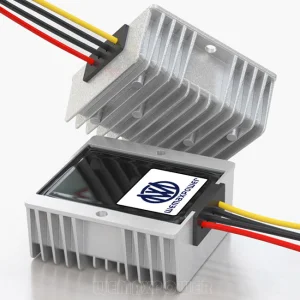
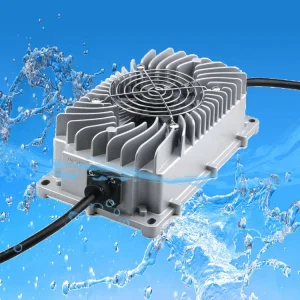
Industrial Automated Guided Vehicles (AGVs) operate on 24V, 36V, 48V, or 80V batteries. Stabilizing these fluctuating voltages to feed delicate onboard sensors, LiDAR, and microprocessors requires highly efficient, waterproof step-down converters with over-current and thermal limits.
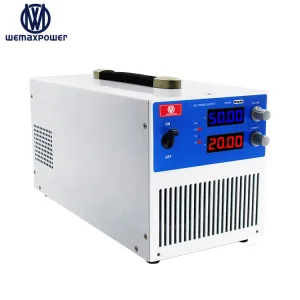
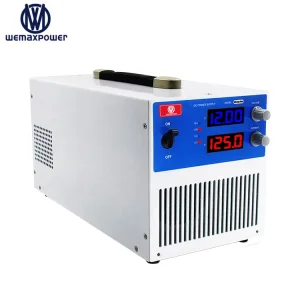
Variable and programmable DC power supplies delivering up to 50V and 20A (1000W) or larger arrays are essential for anodizing, electroplating, and metal finishing. These processes require ultra-low voltage ripple, continuous current adjustments, and precise monitoring.
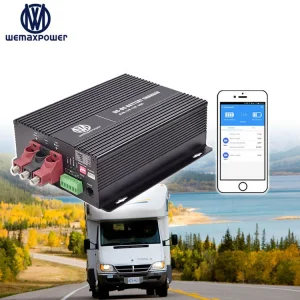
Modern RV and vessel builds require dynamic battery bank chargers that convert starter alternator outputs into safe charging curves for auxiliary lithium (LiFePO4) or lead-acid chemistry banks. This transition requires multi-stage charging parameters to prevent battery damage.
Continuous operational reliability for electroplating, automotive systems, marine wiring, and renewable power infrastructure.
Expert technical answers to common integration questions from engineering and procurement teams.
 Wemax Power