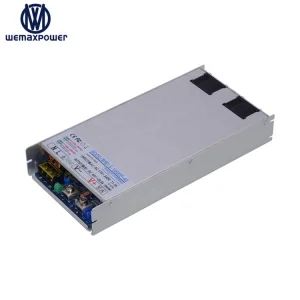
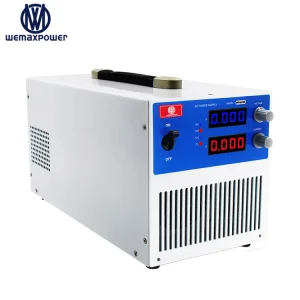
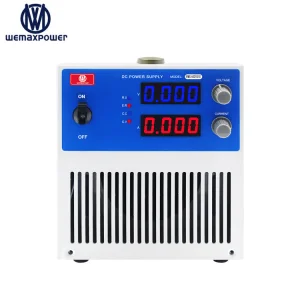
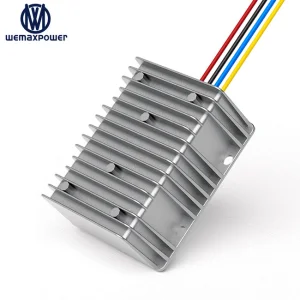
Explore our range of high-efficiency step up-down converters, active PFC power modules, and specialized industrial regulators.
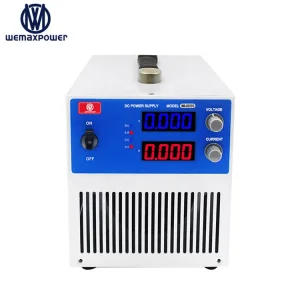
A Comprehensive Whitepaper on Market Dynamics, Topology Selection, and Global Industrial Applications
In an era dominated by decentralized power grids, electric vehicle (EV) infrastructure, aerospace microgrids, and off-grid marine applications, the demand for high-efficiency voltage conversion has reached unprecedented levels. The global market for step up-down converters (non-isolated buck-boost, isolated SEPIC, Cuk, and flyback topologies) is undergoing rapid transformation. Industrial power demands are no longer restricted to steady-state operations; modern electronics demand transient stability, ultra-low ripple noise, and high power density.
As a premier OEM/ODM manufacturer, Shenzhen Wemaxpower Technology Co., Ltd. specializes in the custom development of power modules that bridge the gap between volatile input sources (such as lithium-ion chemistry cycles, solar arrays, or fluctuating marine generators) and sensitive, voltage-critical loads. Whether stepping up 12V automotive battery systems to power high-draw Starlink terminals, or regulating high-voltage industrial AC sources down to low-ripple DC for wastewater electro-coagulation systems, our custom engineering ensures optimal energy transformation.
Standard off-the-shelf step-down or step-up converters often fall short in industrial environments that experience high vibrations, moisture, and thermal shock. Standard topologies struggle with wide-input voltage variations. Our engineering services provide customized electrical designs, thermal architectures, and mechanical form factors tailored to specific applications.
Support for inputs up to 380V/220V/110V AC and wide range DC inputs (80V-120V down to 5V/12V or 12V/24V up to 48V).
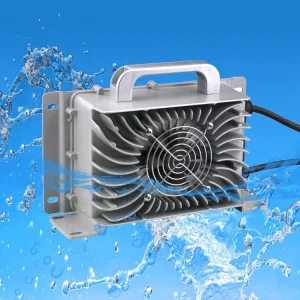
Custom IP68 epoxy potting and marine-grade anodized aluminum enclosures for dust-proof and waterproof performance.
Integration of PMBus, Modbus, or analog 0-5V/0-10V control signals for remote monitoring, active current limiting, and programming.
Determining the correct topology is critical for achieving optimal system efficiency and reliability. The table below outlines key technical considerations for designers selecting step-up, step-down, or bidirectional buck-boost configurations.
| Parameters | Step-Down (Buck) | Step-Up (Boost) | Step Up-Down (Buck-Boost) |
|---|---|---|---|
| Input-to-Output Relationship | Vout < Vin | Vout > Vin | Vout >, <, or = Vin |
| Peak Efficiency | Up to 98% | Up to 97% | Up to 96% (Non-Isolated) |
| Switching Stress | Low to Moderate | Moderate to High | High (requires dual-switch/four-switch configurations) |
| Primary Applications | High-voltage logic boards, 24V-to-12V marine step-downs, sensors | Battery pack voltage boosting, solar string matching, 12V-to-48V EV steps | Automotive cold-crank survival, LiFePO4 battery chargers, solar micro-inverters |
| Galvanic Isolation | Optional (via Optocoupler/Transformer) | Optional | Available in Isolated Flyback/Forward variants |
Our OEM/ODM solutions are utilized across diverse industries worldwide:
Your Trusted Manufacturing Partner
For over seven years, Wemaxpower has engineered high-efficiency programmable DC power supplies, step up-down voltage regulators, and specialized power modules.
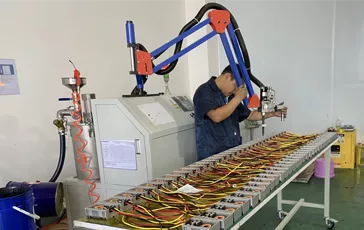
Exporting to major global markets in Europe, North America, and Southeast Asia, our factory utilizes advanced SMT lines, wave soldering systems, and automated testing bays. We partner with procurement agencies, system integrators, and OEM brand owners to deliver high-quality, reliable power solutions.
Every production run is fully documented with complete tracing from component serial numbers to final test reports.
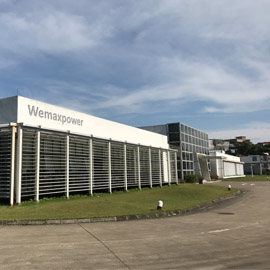
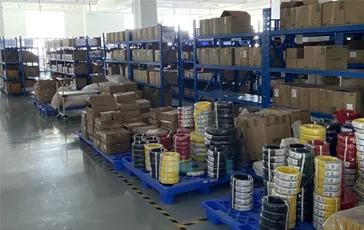
An inside look at our manufacturing facilities, assembly processes, and testing equipment.
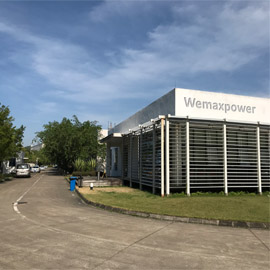

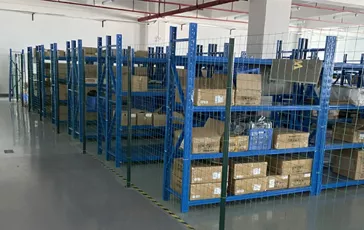
We offer full CAD layouts, thermal modeling, and functional prototyping.
Contact EngineersTo maintain reliable performance in demanding environments, all Wemaxpower products undergo a comprehensive 4-step quality control process before leaving our warehouse:
The future of step up-down voltage converters is centered on three key pillars: efficiency, thermal management, and power density. Traditional Silicon (Si) switch designs are increasingly replaced by Wide Bandgap (WBG) semiconductors, specifically Gallium Nitride (GaN) and Silicon Carbide (SiC).
By leveraging GaN and SiC switches, our R&D roadmap focuses on:
Direct technical answers to simplify your engineering selection and procurement process.
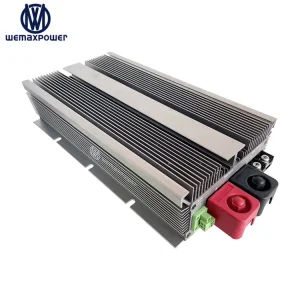
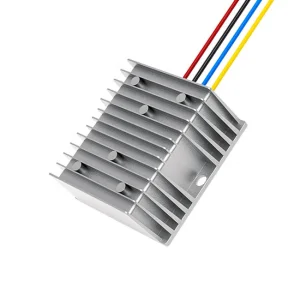
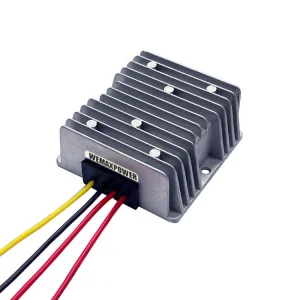
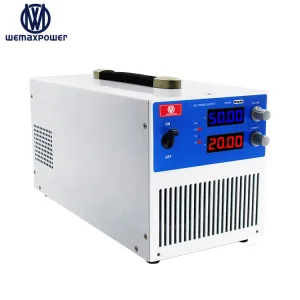
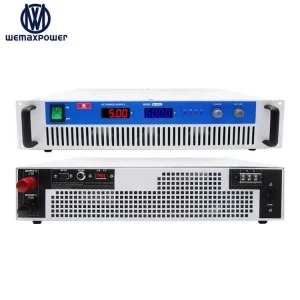
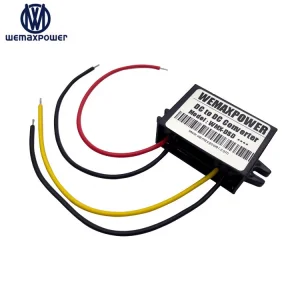
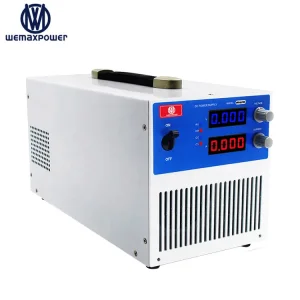
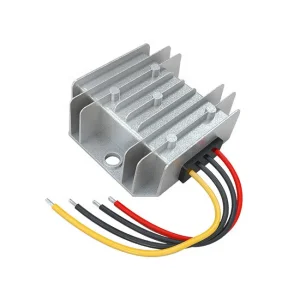
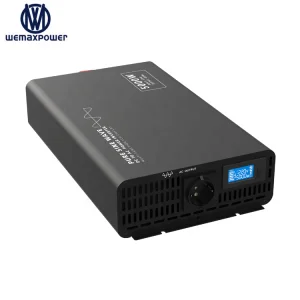
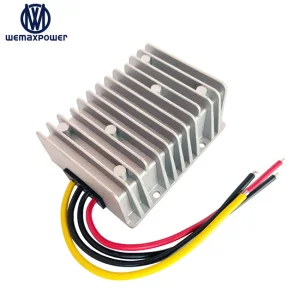
Select from our custom industrial products, designed for marine systems, Starlink integration, and high-voltage DC laboratory testing.
Connect with our engineering sales department to discuss your custom project specifications, regulatory compliance needs, or request bulk pricing.
Submit Inquiry Now Wemax Power