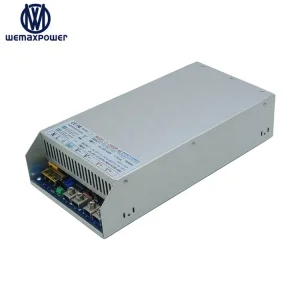
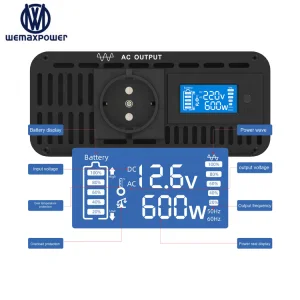
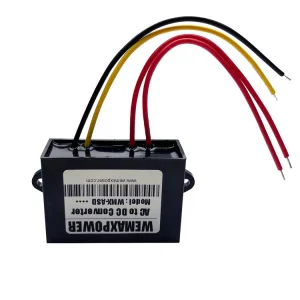
High-efficiency, active PFC power modules featuring wide-range AC inputs and ruggedized thermal systems optimized for Colombian grid operations.
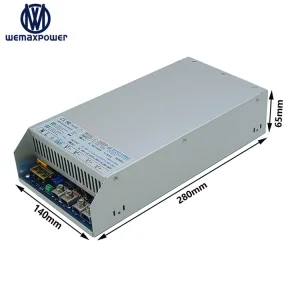
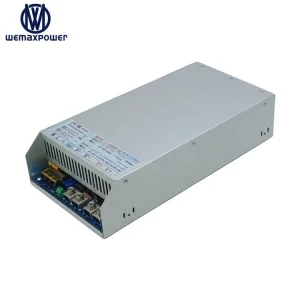
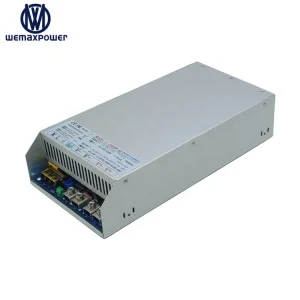
Navigating voltage fluctuations, high altitudes, and RETIE compliance requirements in the Latin American market.
Industrial hubs across Colombia, from the high altitudes of Bogotá (2,640m) to coastal industrial ports in Barranquilla and Cartagena, demand highly stable DC power systems. High-altitude operations reduce air density, thereby diminishing the heat dissipation capacity of cooling fans and decreasing the breakdown voltage of air insulation. Consequently, standardized off-the-shelf power supplies often fail prematurely due to thermal overload or dielectric breakdown.
Moreover, Colombia's national grid faces localized voltage drops, surges, and harmonic distortions. The implementation of strict regulations like the RETIE (Reglamento Técnico de Instalaciones Eléctricas) dictates that industrial equipment must utilize Active Power Factor Correction (PFC) to maintain power factor parameters above 0.95. This reduces harmonic injections into local networks operated by companies like Enel Colombia, EPM, and Celsia, shielding manufacturing facilities from heavy regulatory penalties.
"Colombian industries are transitioning toward automated manufacturing processes and renewable energy integration. Active PFC systems are not a luxury; they are an economic necessity to mitigate network harmonic distortions and improve energy efficiencies in the face of climbing electricity tariffs."
Globally, industrial power design is shifting away from passive filters towards advanced high-frequency Active PFC converters. These systems align current waves directly with voltage phases, achieving power factors of >0.99. This development significantly decreases the Root Mean Square (RMS) input current drawn by facilities, minimizing copper losses in utility cables and allowing designers to scale system capacities without upgrading existing cabling infrastructures.
Understanding the engineering benefits of Active PFC technology compared to legacy topologies in commercial settings.
| Feature Parameter | Active PFC Power Supply (Wemaxpower) | Passive PFC Power Supply | Non-PFC (Legacy) Power Systems |
|---|---|---|---|
| Power Factor (PF) | 0.98 to 0.99+ (Ideal for industrial grids) | 0.70 to 0.80 (Sub-optimal efficiency) | 0.50 to 0.60 (Heavily penalized under RETIE) |
| Total Harmonic Distortion (THD) | < 5% to 8% (Minimal line noise) | 30% to 50% (High noise, generates heat) | > 70% (Significant power interference) |
| AC Input Range | Universal 90V - 264VAC (Full auto-adaptability) | Narrow manual switch (115V / 230V) | Highly unstable under fluctuating voltages |
| Physical Size & Weight | Compact, high-frequency design (High Power Density) | Heavy, bulky line-frequency inductors | Variable, low-efficiency sizing |
| Thermal Footprint | Extremely low heat dissipation per Watt | Medium thermal loss | High waste heat generation |
Technical Insight: Active PFC utilizes high-frequency boost switches operating above 20 kHz to dynamically reshape the input current waveform. This is crucial for applications sensitive to electromagnetic interference (EMI) and power grid fluctuations common in remote parts of Colombia.
Optimized power adjustment and conversion modules serving transportation, telecom, and custom utility projects across Colombia.
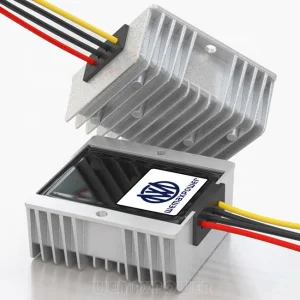
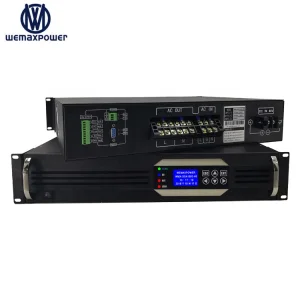

Providing stable, high-performance DC architectures custom-tailored to major sectors of the Colombian economy.
Our Active PFC power systems are integrated into manufacturing facilities in Medellín and Cali. By supplying highly clean DC rails to PLCs, sensors, and actuator loops, they prevent micro-downtimes caused by fluctuating industrial main lines.
In remote regions of Colombia, telecom base stations rely on our 48VDC and 72VDC models. With built-in active correction and high resistance to transient spikes, these units prevent communication interruptions caused by lightning strikes or irregular lines.
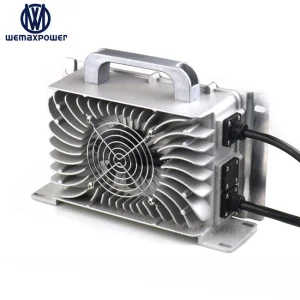
Colombia’s logistics hubs rely on high-capacity electric forklifts and commercial EV chargers. Our ruggedized chargers and step-down converters perform with over 90% conversion efficiency, shortening recharge windows and protecting costly lithium cells.
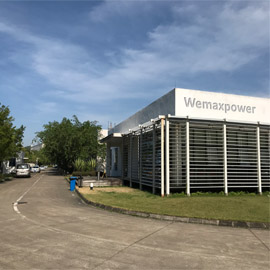
With over 7 years of specialized manufacturing experience, Shenzhen Wemaxpower Technology Co., Ltd. stands as a premier developer of programmable DC power supplies, high-frequency DC-DC converters, and specialized active PFC power modules. We serve demanding international markets, emphasizing robust engineering and responsive customer support.
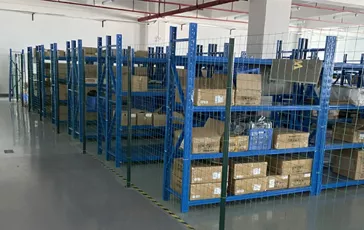
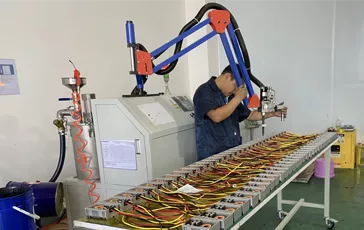
Every single module undergoes a rigorous 4-step Quality Control (QC) process to ensure long-term field survivability: Raw Material Inspection, Semi-finished Product Parameter Testing, Finished Product Functional Testing, and Full-Load High-Temperature Aging Tests.
The factory team will deliver you quality-guaranteed orders.
Consult Our Engineering Team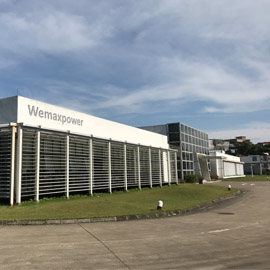


Expert technical answers addressing active PFC, grid harmonics, and installation specifications under RETIE guidelines.
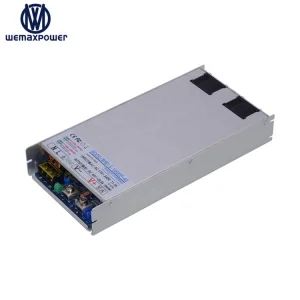
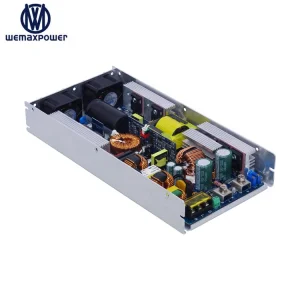
Browse our selection of Active PFC power models and battery charging equipment engineered for industrial service.
 Wemax Power