Wemax Power
New Zealand’s Industrial Power Converter Landscape
New Zealand's commercial and heavy industrial sectors operate within highly distinct geographical and environmental conditions. From the marine fleets cruising Marlborough Sound and Auckland's Hauraki Gulf to the heavy agricultural harvesters working the Canterbury Plains, power delivery systems face unprecedented challenges. These demanding applications depend on stable, fluctuation-free direct current (DC) inputs.
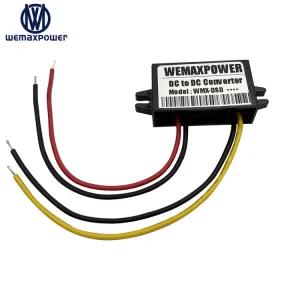
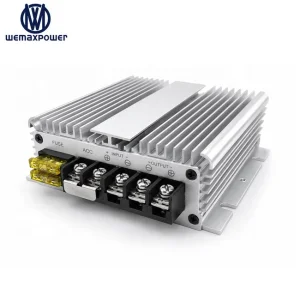
Traditional voltage converters struggle with "voltage sag" during heavy engine ignition or "voltage spikes" during load dumps. This is where non-inverting Step Up-Down (Buck-Boost) DC-DC converters become critical. Unlike basic step-down buck regulators or step-up boost converters, a true buck-boost system maintains a perfectly stable, regulated output voltage, even when the input supply drops below or surges above the required output threshold.
Critical Localized Application Scenarios in New Zealand
Maritime & Aquaculture Operations
Salty air, constant moisture, and engine cranking on commercial fishing vessels require IP67/IP68 waterproof construction. Auxiliary electronics, communication transceivers, and sonar systems require a clean, stabilized 12V or 24V supply, even when starter motors cause the primary battery bank to drop below 9V.
Precision Agriculture & Heavy Machinery
GPS tracking telemetry, diagnostic screens, and hydraulic control systems in Massey Ferguson or John Deere tractors operating in Canterbury demand robust transient protection. Alternators frequently experience voltage surges up to 40V, calling for converters that instantly buck the power to steady levels.
Remote Off-Grid Solar & IoT Telemetry
New Zealand's remote meteorological stations and ecological conservation sensors rely on solar battery installations. As battery charge drops in winter, a step up-down regulator ensures 12V telemetry gear continues operating without dropouts down to 8V input.
Technical Analysis: Why Topology and Component Selection Matter
A step up-down DC-DC converter (often called a buck-boost converter) operates by dynamically changing its duty cycle between buck and boost modes. When designing systems for telecom networks, industrial control panels, or automotive power grids, electrical engineers analyze three core parameters:
- Efficiency Under Varying Load: Standard converters drop efficiency at low load states. WEMAXPOWER design utilizes synchronous rectification circuitry, delivering up to 96% energy conversion and minimizing heat dissipation.
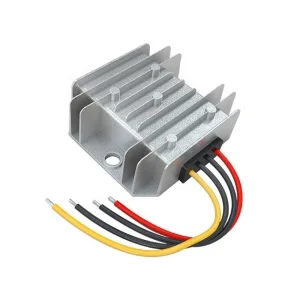
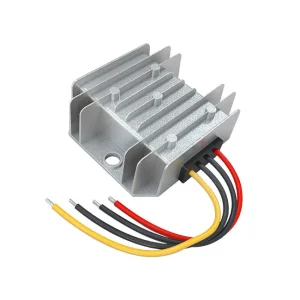
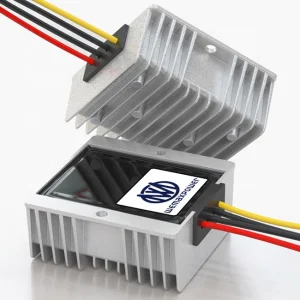
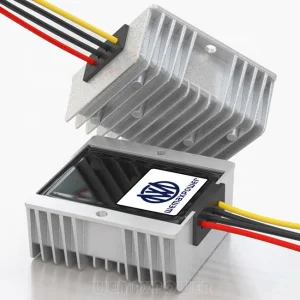
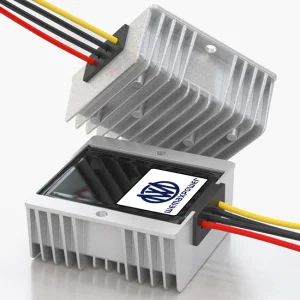
- Thermal Potting & Environmental Protection: The high UV index and extreme coastal salinity of New Zealand cause fast degradation of non-sealed housings. Epoxy potting is standard practice to prevent corrosion and damp vibration-induced micro-fractures in solder points.
- Electromagnetic Compatibility (EMC): Switching regulators generate high-frequency electrical noise. Our designs incorporate passive filtering systems to ensure compliance with AS/NZS CISPR 32 standards, preventing interference with onboard GPS or radio transceivers.
| Converter Model Type | Input Range Capability | Stabilized Output | IP Rating Option | Primary Industry Target |
|---|---|---|---|---|
| High-Current Buck-Boost | 18V - 40V DC | 24V DC @ 50A | IP67 Sealed Casing | Industrial Machinery / Rail |
| Ignition-Sensing ACC | 8V - 40V DC | 13.8V or 24V DC | IP65 Enclosure | Vehicle Radio / Fleet Telematics |
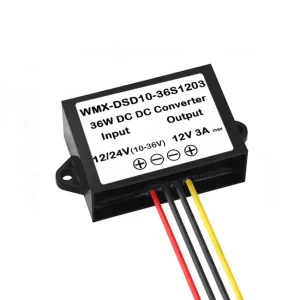
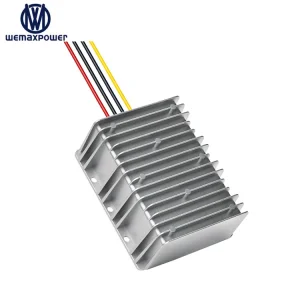
| Micro-Power Ruggedized | 9V - 36V DC | 12V DC @ 3A / 5A | IP68 Hermetic Potting | Remote Marine Sensors / IoT |
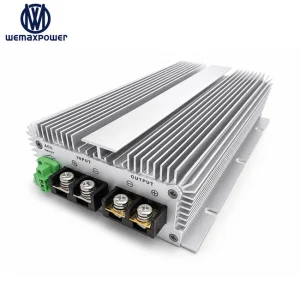
| High-Power Bus Stabilizer | 10V - 30V DC | 24V DC @ 30A | Aluminum Heatsink Extrusion | Passenger Bus / Mining Vehicles |
Global Engineering & The Resilience of the China-NZ Supply Chain
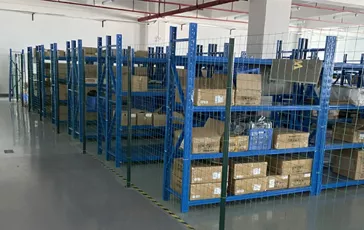
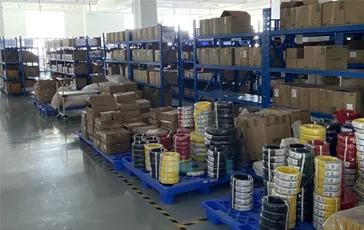
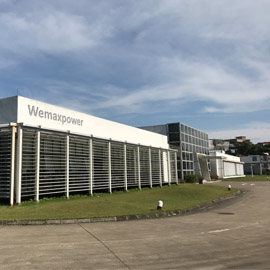
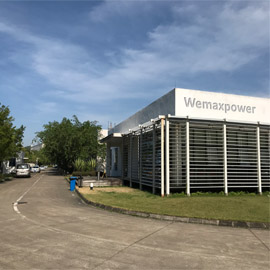
For New Zealand system integrators, supply chain reliability is just as critical as technical specifications. Shenzhen Wemaxpower Technology Co., Ltd. fills the gap by combining agile Chinese engineering with high-capacity production facilities. This setup ensures reliable delivery and customizable designs for local distributors across New Zealand.
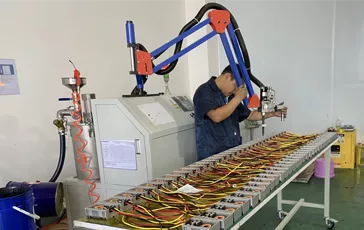
Every step up-down DC-DC converter produced in our factory goes through a rigorous four-stage quality assurance protocol:
- Incoming Component Testing: Automated inspection of all semiconductor switches, inductors, and capacitors.
- Semi-Finished Circuit Calibration: Verifying switching frequency, duty cycle, and feedback loops before encapsulation.
- Finished Unit Dynamic Testing: Stress-testing load regulation, transient response times, and line variations.
- Full-Load Thermal Aging: Operating converters under maximum thermal load for 24-48 hours to weed out premature component failures.
Reliable Local Support & Certification Compliance
Our converters comply with international safety certifications like CE, RoHS, and FCC. We also build our products to meet the unique requirements of AS/NZS electrical standards. This makes them ready for installation in industrial enclosures, RV power hubs, marine panels, or utility infrastructure.
For custom engineering demands, Wemaxpower offers tailored input-output voltages, specialized current limits, ignition-sensing delay times, and custom wiring looms. We minimize engineering lead times to ensure prompt delivery across both the North and South Islands of New Zealand.