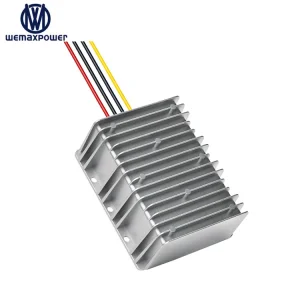
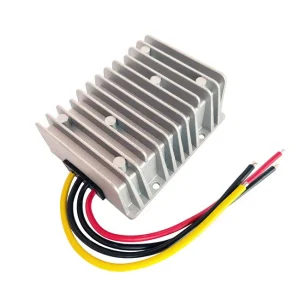
Engineered to support heavy electrical transients and wide voltage variations in Hungary's automotive manufacturing and testing centers.
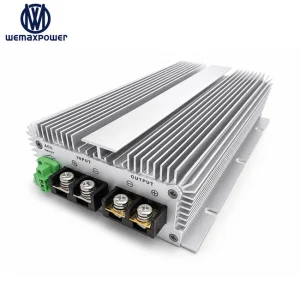
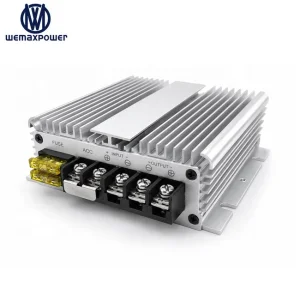
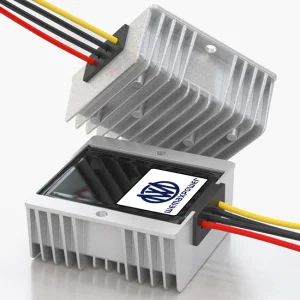
Hungary has emerged as one of Central Europe's powerhouse industrial and automotive capitals. Hosting massive production clusters for major global automotive brands in Győr, Kecskemét, and Debrecen, the demand for highly efficient electrical infrastructures is surging. The dramatic expansion of electric vehicle (EV) battery Gigafactories across Hungary further accentuates the need for robust DC-DC voltage regulators.
Industrial automation systems, Automated Guided Vehicles (AGVs) operating on factory floors, and telecommunication relay stations located along the Danube corridor all face input voltage fluctuation risks. A reliable Step-Up/Down (Buck-Boost) DC-DC converter is indispensable. Whether step-down (bucking) high battery charge voltages or step-up (boosting) sagging rail lines under load transients, these power supplies guarantee consistent, protected power delivery.
Unpacking the shift towards synchronous rectification, high thermal potting density, and electromagnetic interference (EMI) prevention.
Traditional non-synchronous boost converters use Schottky diodes, which generate substantial forward-voltage losses. By substituting these with low RDS(on) MOSFETs, dynamic conversion efficiency climbs past 96%, minimizing thermal dissipation inside closed control boxes.
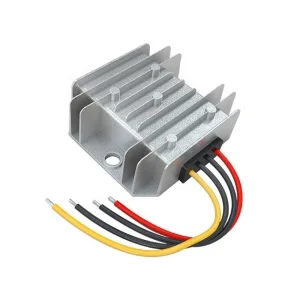
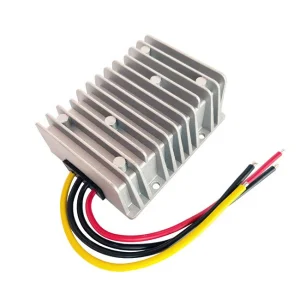
Harsh industrial environments involve dust, moisture, and high vibration. Our converters use fully encapsulated epoxy resin with die-cast aluminum enclosures. This structural layout facilitates massive heat sink properties while protecting sensitive electronics from oil or water ingress.
Radio and audio devices installed in Hungarian emergency transport and industrial logistics must maintain zero interference. Integrated inductor coils and high-frequency filtering caps minimize ripple voltage down to <50mV, adhering to strict CE and UNECE R10 parameters.
| Converter Type | Input Range | Output Voltage | Maximum Ripple | Ideal Application Sector |
|---|---|---|---|---|
| Heavy-Duty Auto Regulator | 18V - 40V DC | 24V DC (50A) | < 100mV | Tramways, Public Buses, & Heavy Machinery |
| ACC Control Buck-Boost | 8V - 40V DC | 24V DC (40A) | < 80mV | Automotive Infotainment & Telematics Testing |
| Medium Load Waterproof | 9V - 36V DC | 24V DC (10A) | < 50mV | AGVs, Forklifts & Plant Sensor Arrays |
| Low Power Micro-Regulator | 8V - 40V DC | 12V DC (3A) | < 30mV | IoT nodes, Solar weather monitoring in Hungary |
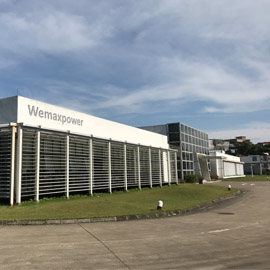
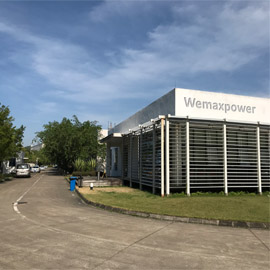
Shenzhen Wemaxpower Technology Co., Ltd. is a premier global manufacturer with 7 years of deep-domain engineering and manufacturing expertise.
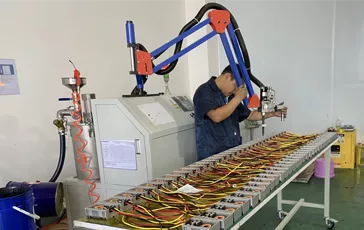
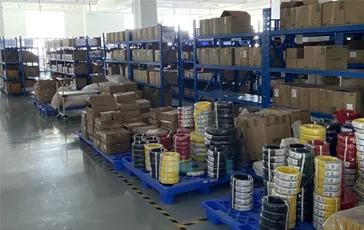
To deliver reliable electrical power components to clients across Hungary and the broader European market, every power module undergoes an uncompromising testing pipeline:
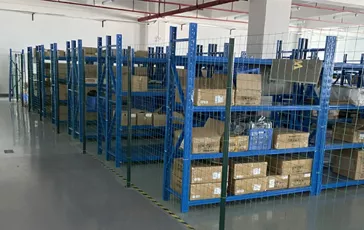
Combining automated manufacturing processes with comprehensive manual validation to ensure 100% operational reliability.

|
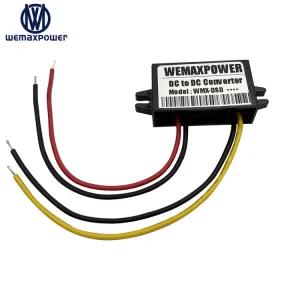
Discover specialized low-power, ACC-triggered, and multi-voltage stabilizers tailored for diverse environments across Hungary.
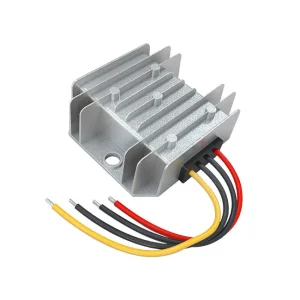
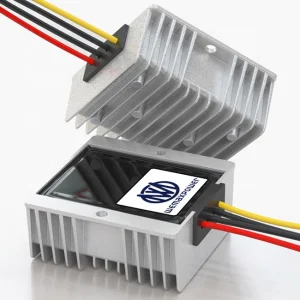
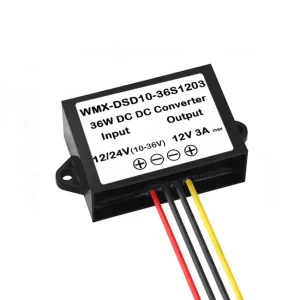
Expert electrical engineering responses explaining design requirements, topologies, and installation standards in Central Europe.
Linear regulators only dissipate excess voltage as thermal waste (heat) and can never boost output voltage above the input rail. A switching buck-boost converter operates by using high-frequency MOSFET switches, capacitors, and inductor coils to store and release energy, maintaining constant output (e.g. 13.8V or 24V) whether the input drops to 8V or surges to 40V. Operating efficiency is drastically higher, up to 96%.
Our converters are fully encapsulated using high-conductivity thermal epoxy resin inside die-cast aluminum enclosures. They are engineered to boot and run continuously under extreme temperatures ranging from -40°C to +85°C. This protection profile makes them highly reliable for outdoor telecommunication stations and industrial sites in Hungary.
Each converter includes an array of protection sub-systems: Over-Voltage Protection (OVP), Under-Voltage Lockout (UVLO), Over-Current Protection (OCP) utilizing hiccup-mode recovery, Over-Temperature Thermal Shutdown (OTP), and Reverse-Polarity Protection.
The ACC wire connects directly to the vehicle's ignition switch. This controls the converter's startup and shutdown cycles. It ensures that when the vehicle's engine is turned off, the power module shuts down, preventing background current draw from depleting the main car or bus battery.
Yes, our converters comply with CE, RoHS, and REACH requirements. They feature integrated input filtering components designed to minimize conducted electromagnetic interference (EMI), protecting sensitive digital components, PLC units, and audio/radio reception devices from high-frequency switching noise.
 Wemax Power