High-efficiency, active PFC, and intelligent multi-stage power units customized for diverse energy systems.
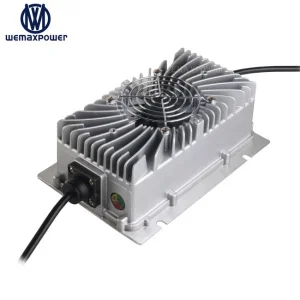
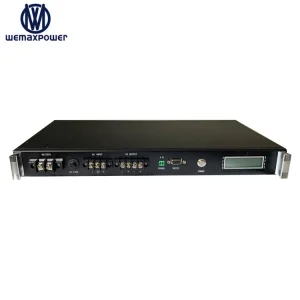
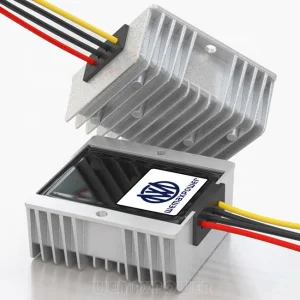
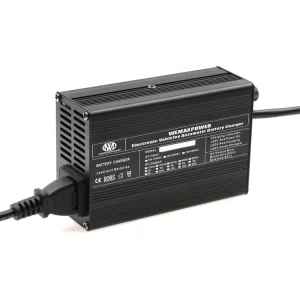
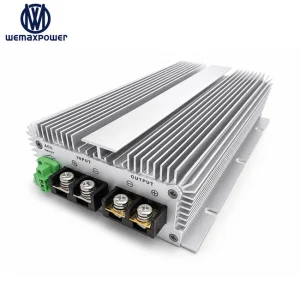
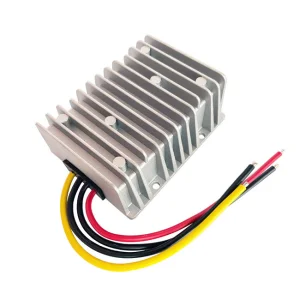
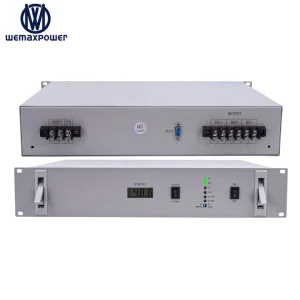
The global energy landscape is undergoing a massive architectural paradigm shift. Industrial, commercial, and mobility platforms require power delivery systems that transcend traditional voltage transformation. Today’s industrial operations demand intelligent power platforms designed around efficiency optimization, strict thermal control, and adaptive power conversion pathways.
Modern power topologies are increasingly migrating toward high-power density switching designs utilizing Wide Bandgap (WBG) semiconductors, such as Gallium Nitride (GaN) and Silicon Carbide (SiC). These technologies minimize thermal loss and physical footprints while facilitating ultra-fast switching frequencies. By mitigating switching losses, manufacturers can design smaller magnetic components, significantly reducing weight while achieving conversion efficiencies above 96%.
Concurrently, the diversification of energy storage chemistry—ranging from traditional Lead-Acid to advanced Lithium-Iron Phosphate (LiFePO4) and Lithium-Ion arrays—has forced chargers to adapt. Constant Current (C.C.), Constant Voltage (C.V.), and smart trickle/float modes are no longer static options; they are dynamically managed via microprocessor-controlled algorithms that continually calculate battery state-of-charge (SoC) and state-of-health (SoH) to maximize system lifespan and guarantee absolute operational safety.
Engineering procurement directors in North America, the European Union, and Asia-Pacific operate under stringent criteria that prioritize risk mitigation, regulatory alignment, and seamless hardware interoperability.
Compliance with CE, RoHS, FCC, and UL standards is essential to ensure systems run safely and avoid costly regulatory disruptions in target markets.
OEMs require highly specialized input/output ratios (e.g., stabilizing 12V/24V systems or scaling to high-voltage industrial 220Vdc rack-mount grids).
Rugged applications call for IP67 waterproof ingress protection, vibration resistance, and robust thermal management systems.
For enterprise clients, total cost of ownership (TCO) is a critical metric. TCO is determined by operational energy efficiency, Mean Time Between Failures (MTBF), and maintenance ease. Buying from certified factories with strict testing regimens ensures systems operate continuously, safeguarding capital investments and reducing downtime.
Based in Shenzhen, the global hub of power electronics innovation, Shenzhen Wemaxpower Technology Co., Ltd. has spent 7 years engineering advanced, high-reliability power systems.
We specialize in programmable DC power supplies, high-efficiency DC-DC converters, and specialized power modules designed for heavy-duty industrial environments. Our engineering methodologies target complex conversion requirements, providing stable voltage regulation under high-stress conditions.
Every component—including semiconductor switches, magnetic cores, capacitors, and PCB substrates—undergoes validation testing to confirm it meets strict design specifications before entering assembly lines.
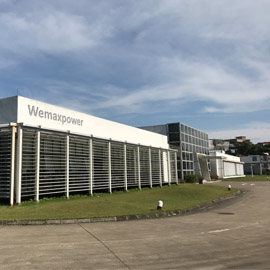
In-process boards are tested using Automated Optical Inspection (AOI) and in-circuit testing to verify solder joint integrity and electrical component values before final potting or enclosure assembly.
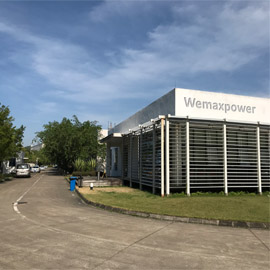
Assembled power supplies are tested under dynamic loads to verify steady-state output accuracy, transient recovery times, and protection threshold triggers.
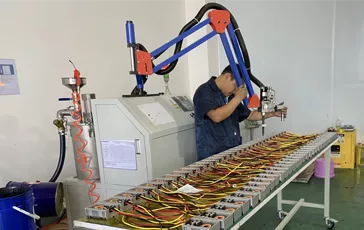
Units undergo extended high-temperature, full-load burn-in testing to accelerate latent component wear and ensure stable long-term field performance.
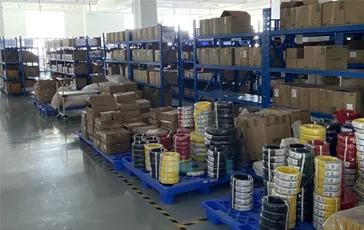
Leveraging advanced manufacturing systems and deep component ecosystems to deliver optimized production cycles, quality assurance, and pricing.
Wemaxpower's Shenzhen facility operates at the forefront of China's Factory 4.0 initiative. We integrate advanced assembly automation with digital quality tracking. This localized integration links R&D engineers directly to component suppliers, shortening development cycles and ensuring supply chain continuity during global market fluctuations.
Our automated production lines utilize real-time data monitoring to log performance metrics for every power supply module throughout assembly. This digital testing environment enables detailed tracing of batch performance and minimizes human error during testing phases.
For global exporters, this provides documented, verifiable testing records, ensuring reliable quality control and compliance for all outward shipments.
Industrial power requirements vary significantly by operating environment. Our systems are engineered to target the specific demands of diverse, localized applications.
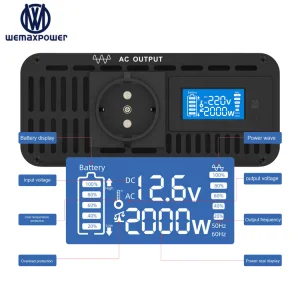
Telecommunication base stations require ultra-reliable backup power and low electrical noise. Our pure sine wave inverters convert standard 12Vdc/24Vdc/48Vdc battery banks into stable, low-noise AC power, preventing interference with sensitive RF equipment and maintaining signal integrity in remote nodes.
Electric mobility relies on fast, efficient battery charging. Our 3-stage smart chargers automatically adjust voltage and current curves to charge LiFePO4, Li-ion, and Lead-Acid battery packs safely, protecting battery life and speeding turnaround times for commercial fleets.
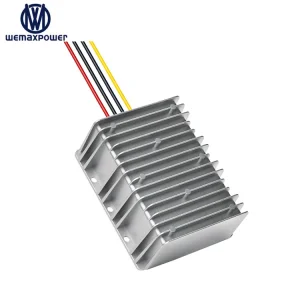
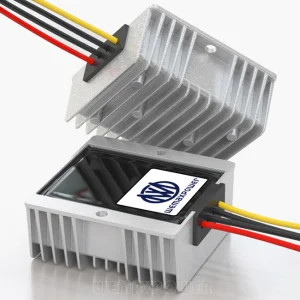
Fluctuating voltages in industrial settings can disrupt PLC operations. Our high-power buck-boost converters and voltage stabilizers maintain clean, regulated 12Vdc or 24Vdc rails, shielding sensitive control hardware from voltage spikes and sags in heavy machinery installations.
Marine systems demand rugged, moisture-resistant designs. Our IP67 waterproof DC-DC converters are engineered to survive damp, high-vibration conditions, delivering stable power to onboard steering motors and communication equipment.
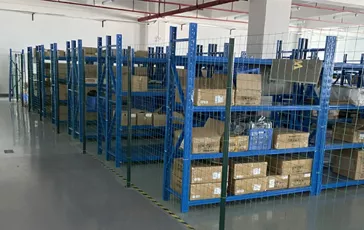
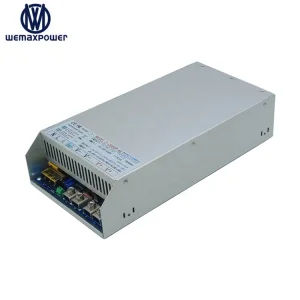
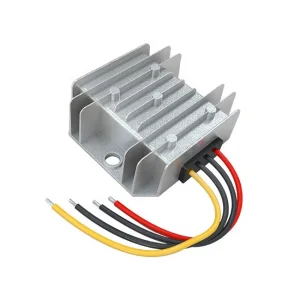
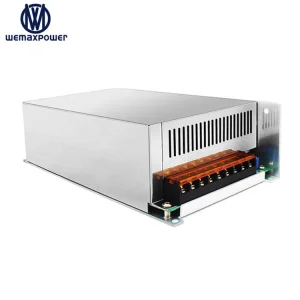
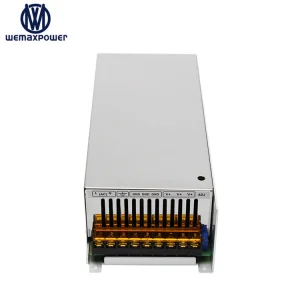
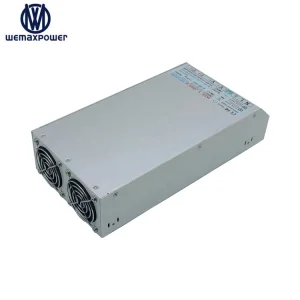
Heavy-duty switching power supplies, variable DC regulators, and robust power conversion hardware.
Technical clarifications, integration guidelines, and performance metrics for our power supplies.
Our buck-boost converters utilize high-speed switching controllers that continuously adjust the PWM duty cycle to stabilize the output voltage. If a vehicle generator spikes or sags (e.g., during start-up), the regulator switches between buck and boost modes within microseconds, protecting downstream hardware.
LiFePO4 battery chemistry is sensitive to overcharging. Our 3-stage chargers use a precise Constant Current phase to restore bulk energy, a Constant Voltage phase to top off cells safely, and a low-voltage Floating stage that prevents overcharging, helps balance cells, and extends overall battery life.
Modified sine wave outputs generate high levels of harmonic distortion, which can overheat motors and introduce electrical noise into communication lines. Our pure sine wave inverters produce a clean wave shape that mirrors utility grid power, protecting delicate analog components and high-frequency receivers.
We use a combination of automated component inspection, dynamic functional testing, and full-load thermal burn-in aging in controlled chambers. This testing accelerates component stress, allowing us to identify and resolve early failures before products leave our facility.
 Wemax Power
