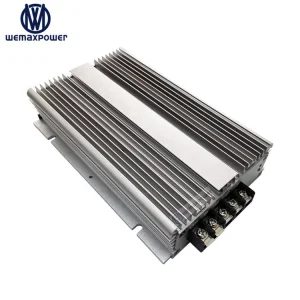
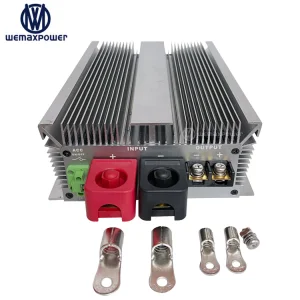
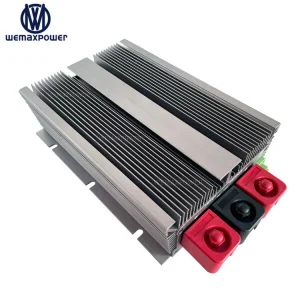
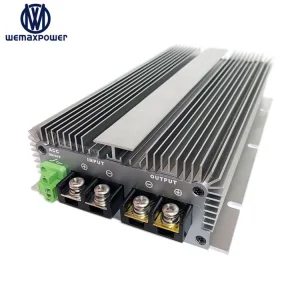
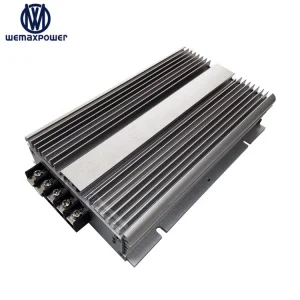
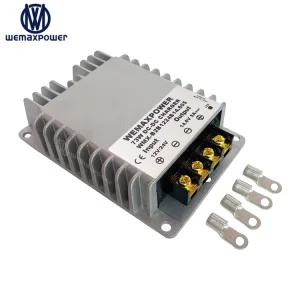
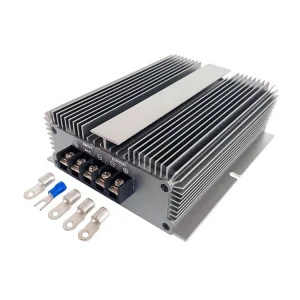
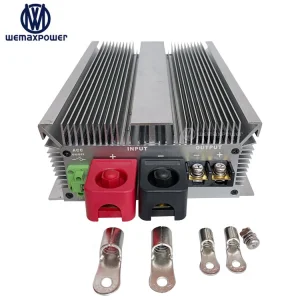
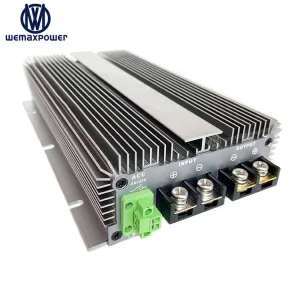
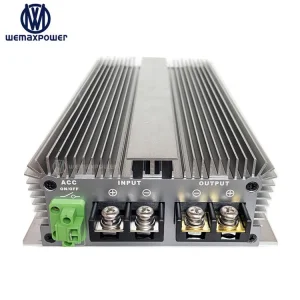
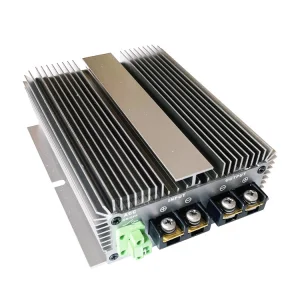
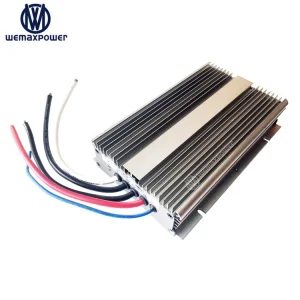
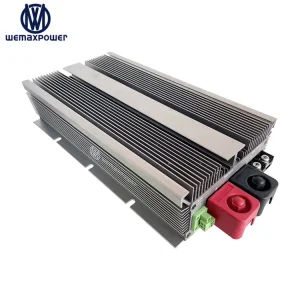
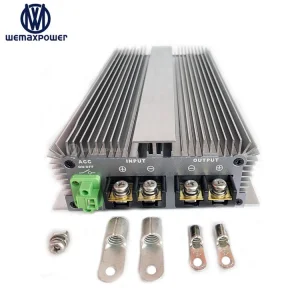
Highly engineered modules designed for robust performance in demanding commercial and consumer vehicle configurations.
Kuala Lumpur, as the commercial and industrial beating heart of Malaysia, is undergoing a rapid transition toward advanced clean energy systems and fleet electrification. Driven by the National Energy Transition Roadmap (NETR) and the Low Carbon Mobility Blueprint, local automotive assemblers, RV converters, and industrial fleet operators are increasingly seeking efficient B2B power conversion solutions.
The demand for DC-DC battery chargers (also commonly termed battery-to-battery or alternator chargers) is expanding beyond recreational caravans to critical commercial setups: mobile clinics, logistics transport, emergency vehicles, and commercial street-food fleets operating in the Klang Valley. These sectors require continuous auxiliary power to run advanced equipment, refrigeration, and communication arrays without idling vehicle engines.
However, Kuala Lumpur's equatorial climate presents significant challenges. High relative humidity (often exceeding 85%) and elevated year-round ambient temperatures (averaging 32°C in urban corridors) mean that standard automotive chargers struggle with thermal throttling and corrosion. This demands IP67/IP68 waterproof ingress protection, coupled with highly intelligent thermal derating algorithms, to guarantee long-term operational resilience.
Empowering the modern fleet with advanced power topologies, dynamic smart charging algorithms, and unmatched efficiency.
Modern DC-DC chargers leverage Gallium Nitride (GaN) switching components and advanced buck-boost topologies. This ensures highly stable voltage boosting even when the engine's smart alternator drops voltage to save fuel, reducing thermal emissions by up to 30%.
As standard lead-acid batteries give way to high-density Lithium Iron Phosphate (LiFePO4) systems, chargers must utilize customized Constant Current/Constant Voltage (CC/CV) profiles. This maximizes battery life and ensures safe capacity absorption without overheating the cells.
Euro 5, Euro 6, and newer low-emission vehicle alternators continuously modulate output voltage. Intelligent battery chargers utilize specialized ignition sensing or voltage-sensitive relays to safely charge the house battery bank only when the engine runs.
Years Power Engineering Experience
Fully Potting IP68 Protection
Rigorous Quality Control Process
High Current Output Capabilities
How Wemaxpower manufactures ultra-reliable DC-DC charging systems for globally demanding B2B environments.
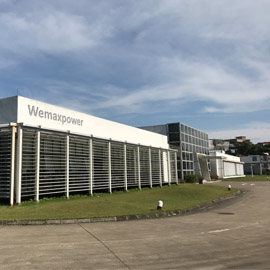
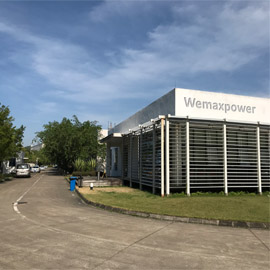
Shenzhen Wemaxpower Technology Co., Ltd. is a leading manufacturer with 7 years of specialized expertise in industrial power conversion systems. Our comprehensive product portfolio includes programmable DC power supplies, high-efficiency DC-DC converters, and specialized charging modules. Exporting globally with a strong focus on quality and customer service, all of our products undergo a strict 4-step Quality Control (QC) process: Raw Material Verification, Semi-Finished Product Testing, Finished Product Calibration, and Dynamic Burn-in/Aging Chamber Testing.

|
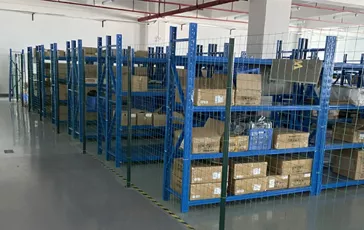
Raw Material Testing
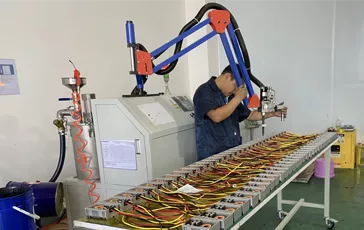
SMT & Circuit Testing
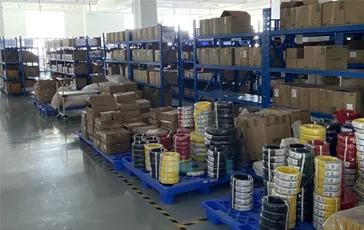
Dynamic Burn-in & Aging Chamber
Deploying specialized power electronics designed for maximum efficiency under severe environmental strain.
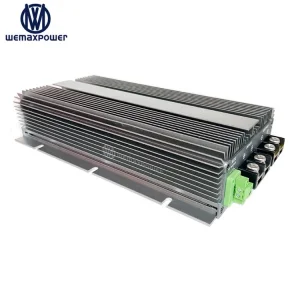
Operating in high humidity or coastal areas in Malaysia can lead to standard electronics oxidizing rapidly. Wemaxpower DC-DC units utilize advanced vacuum-epoxy potting, providing full IP68 water and dust ingress resistance, alongside premium mechanical shock absorbing capabilities.
Batteries have unique charging profiles. A mismatch could trigger internal protection boards (BMS) in LiFePO4 modules or cause outgassing in AGM setups. Wemaxpower systems feature switchable curves:
Complete series range from 5A to 100A configurations, engineered for marine, heavy machinery, and campervan auxiliary power networks.
How businesses in the Klang Valley deploy our DC-DC solutions to power remote operations reliably.
The Malaysian outdoor tourism movement, concentrated around campervan getaways in Janda Baik, Cameron Highlands, and Genting Highlands, relies heavily on stable off-grid electricity. Our chargers efficiently top up secondary LiFePO4 cells during transit, ensuring campers run lighting and kitchen appliances overnight.
Kuala Lumpur's vibrant street markets and evening culinary pop-ups rely on mobile power grids. Utilizing auxiliary batteries combined with 50A-80A DC-DC high-amp boosters allows vendors to avoid loud, carbon-emitting gas generators, keeping battery setups charged as they drive to the next location.
Urban delivery networks require secondary battery banks to run onboard cold chain refrigeration units and barcode tracking systems. A smart alternator charger preserves starter battery life while keeping delivery systems active, ensuring uninterrupted operation during delivery routes.
B2B considerations when selecting DC-DC hardware solutions for the local market.
Critical answers addressing high-intent queries regarding DC-DC chargers and RV installations.
Contact Wemaxpower's application engineers today to discuss bulk pricing, custom product configurations, and local B2B delivery options for the Kuala Lumpur region.
Send Inquiry Now Wemax Power