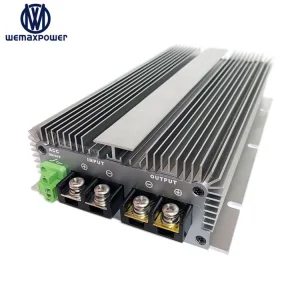
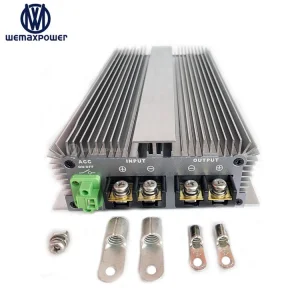
Engineered for campers, caravans, and utility vehicles navigating cold climates. Optimize charging efficiency directly from alternator to auxiliary battery banks.
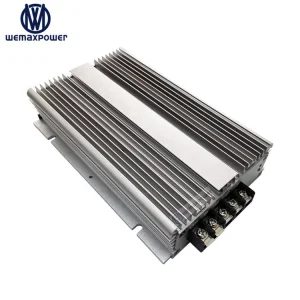
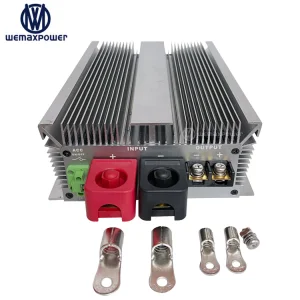
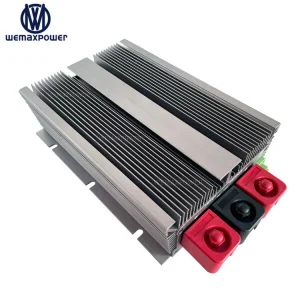
Sweden represents one of the most mature and demanding markets in Europe for recreational vehicles (RVs), overland transport, and maritime vessels. With a deep-rooted cultural focus on outdoor lifestyle ("Friluftsliv") and eco-conscious travel, the demand for off-grid self-sufficiency has reached unprecedented heights. However, Swedish geography poses extreme challenges for power management systems: long winters with temperatures dropping down to -30°C in northern regions like Norrland, short daylight hours that limit solar power viability, and massive coastline environments subject to high humidity and salinity.
To operate reliably under these conditions, Swedish campervans, utility fleets, and boat owners depend heavily on alternator-driven DC-DC Battery Chargers (Battery-to-Battery or B2B Chargers). The primary objective is converting variable mechanical energy from the vehicle's engine into stable, multi-stage charge profiles suited for sensitive auxiliary batteries—most notably modern LiFePO4 (Lithium Iron Phosphate) and AGM battery banks.
Since the implementation of Euro 6 emission standards, vehicle manufacturers (including Volvo, Scania, and major van platforms widely imported into Sweden like VW Transporter and Mercedes Sprinter) have adopted smart regenerative braking alternators. These alternators actively throttle their voltage output—sometimes dropping as low as 12V or shutting off entirely when the starter battery is full—to reduce engine load and lower fuel consumption. This standard automotive logic renders traditional voltage-sensitive split-charging relays obsolete, as they fail to detect sufficient voltage to charge the auxiliary leisure battery bank.
An intelligent DC-DC charger acts as a vital bridge, boosting low voltage and regulating high voltage back to the exact requirements of the house battery. By utilizing sophisticated microprocessor control, these units safeguard both the alternator from overheating (caused by the low internal resistance of massive lithium banks drawing excessive currents) and protect the house battery from undercharging, ensuring your off-grid heating systems (like Webasto or Truma) remain operational through the coldest Swedish nights.
When Swedish distributors, fleet managers, and marine outfitters procure DC-DC battery chargers from factories and suppliers, they prioritize parameters that directly prevent field failures. Standard off-the-shelf power converters engineered for milder climates often fail in Scandinavia due to thermal shock, condensation rust, and inadequate charge algorithms.
Standard Lithium (LiFePO4) batteries must never be charged at temperatures below 0°C, as doing so causes lithium plating on the anode, resulting in permanent capacity loss and a high risk of internal short circuits. A truly intelligent DC-DC charger tailored for Swedish winters must incorporate an external temperature sensor or an active communication protocol to monitor cells. Upon detecting freezing conditions, the charger must either reduce the charge current to a safe trickle rate (e.g., 0.05C) or disable charging entirely while routing alternator current to integrated heating blankets before initiating the charge cycle.
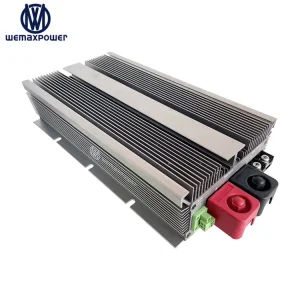
Sweden boasts an expansive boating culture along the Stockholm archipelago, Gothenburg West Coast, and internal lake networks like Vänern and Vättern. Engine compartments in marine vessels are exposed to extreme humidity, salt air, and potential bilge flooding. Traditional fan-cooled chargers pull this corrosive air across internal circuits, causing premature failure. Our range of fully encapsulated IP68 waterproof DC-DC chargers uses heat-conductive epoxy potting compound, eliminating internal airspace and preventing any moisture ingress. The solid-state design handles high-frequency vibration and provides natural convection cooling via heavy-duty aluminum heat sinks.
Swedish campervans frequently run mixed battery chemistries (e.g., a lead-acid starter battery paired with an AGM or LiFePO4 auxiliary battery). Each chemistry requires a distinct charging algorithm (Bulk, Absorption, Float). Modern suppliers must provide programmable parameters or pre-configured dip switches to fine-tune constant current and constant voltage limits to maximize battery lifespan.
| Parameter Details | Wemaxpower Industrial Standard | Traditional Market Standard | Scandinavia Fleet Relevance |
|---|---|---|---|
| Enclosure Protection | IP67 / IP68 Fully Sealed, Epoxy Potted | IP20 Fan Cooled / Open Vents | Salt spray, dust, and heavy engine condensation resistance. |
| Low-Temp Operation | Full load down to -30°C / Derates down to -40°C | 0°C to 45°C limit | Essential for winter caravan operation and vehicle start-ups. |
| Conversion Efficiency | ≥ 95% (Synchronous Rectification Technology) | 85% - 88% (Diode Rectification) | Less waste heat, smaller heat sinks, higher alternator fuel economy. |
| Lithium Low-Temp Protection | Automatic cut-off / Smart heating control integration | None (Requires external BMS control) | Prevents permanent lithium cell damage below freezing. |
| Smart Alternator Support | Microprocessor-driven Buck-Boost matching Euro 6/6+ | Voltage threshold switches only | Ensures continuous charge delivery regardless of alternator throttling. |
Partnering with Swedish wholesalers, marine systems engineers, and caravan conversion OEMs to deliver high-reliability power modules directly from our advanced production facilities.
Shenzhen Wemaxpower Technology Co., Ltd. is a manufacturer with 7 years of deep domain experience. Our specialized product lines include programmable DC power supplies, highly efficient DC-DC converters, and specialized charging modules. We export directly to multiple global markets, placing a heavy focus on engineering quality, CE/RoHS compliance, and dedicated post-purchase customer support.
All products undergo our rigorous, proprietary 4-step QC process to guarantee trouble-free operation upon arrival in Swedish warehouses:
1. Raw Material Test: Checking semiconductor, PCB, and capacitor tolerances.
2. Semi-Finished Product Test: Verifying circuit board voltages after SMT soldering.
3. Finished Product Test: Confirming casing integrity, terminal torque, and software firmware calibration.
4. Aging Test: 100% full-load burn-in testing under controlled heat chambers to weed out early-life failures.
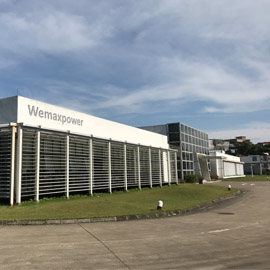
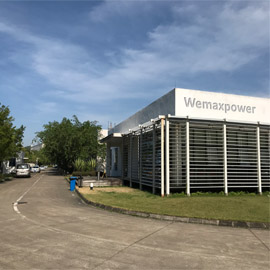
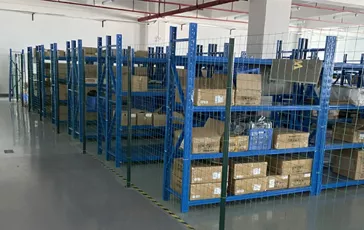
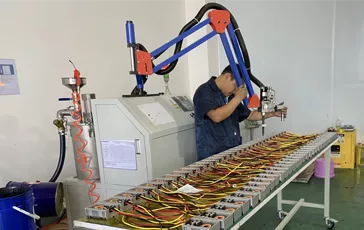
The factory team will deliver you quality-guaranteed orders
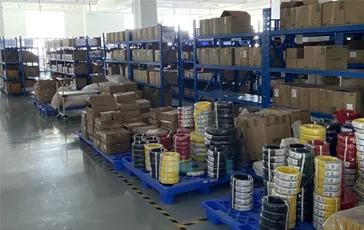

The global DC-DC battery charger industry is growing rapidly due to the explosive expansion of off-grid living, overland adventuring, and clean energy mandates. While Swedish distributors hold deep-rooted local expertise in mechanical installations, regional consumer preferences, and Nordic standard certifications, the primary design and manufacturing heartland remains in Shenzhen, China.
Partnering directly with a premier manufacturer like Shenzhen Wemaxpower provides Swedish industrial companies with distinct advantages:
Fully compliant, high-protection converters engineered to secure off-grid operations in campervans, yachts, and industrial service vehicles.
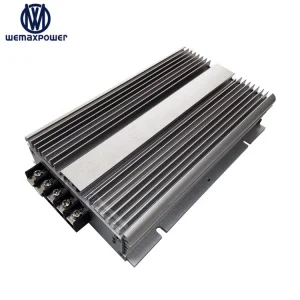
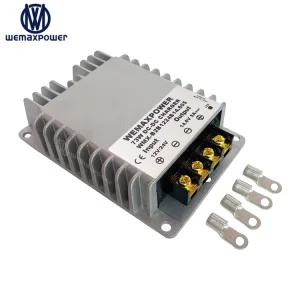
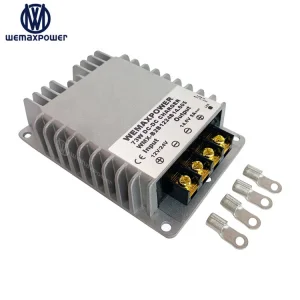
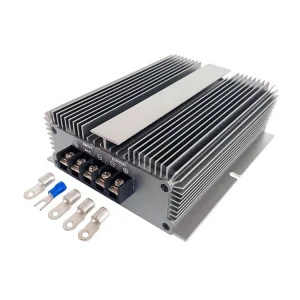
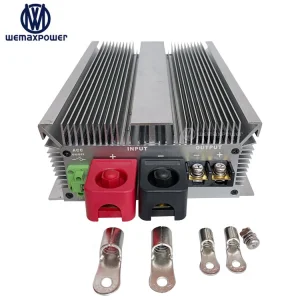
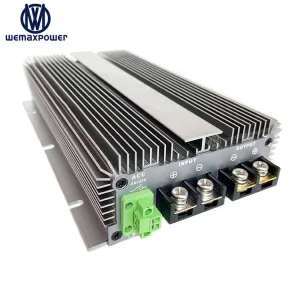
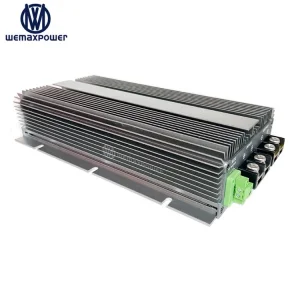
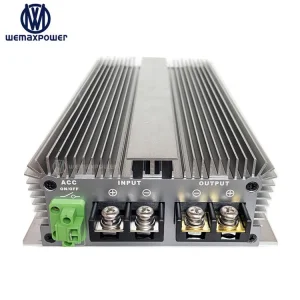
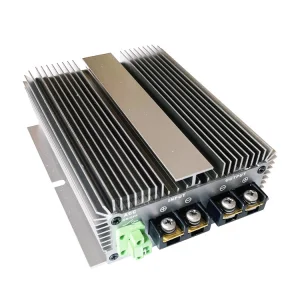
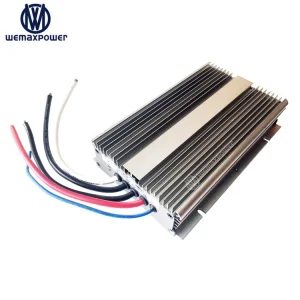
Critical technical answers for battery system designers, RV converters, and industrial buyers in Sweden.
 Wemax Power