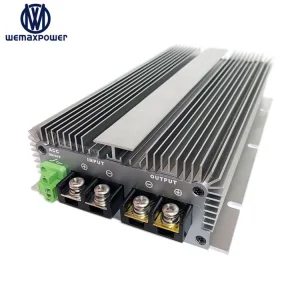
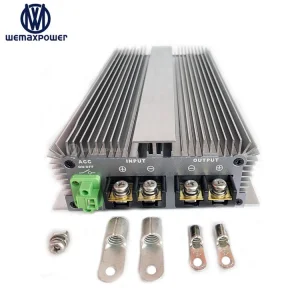
High-frequency, intelligent chargers optimized for smart alternators and advanced lithium chemistry configurations in Ontario's demanding environment.
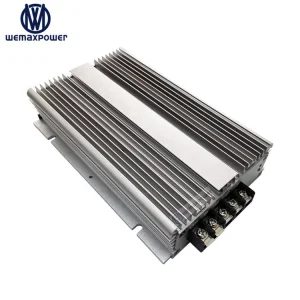
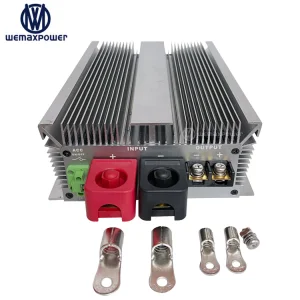
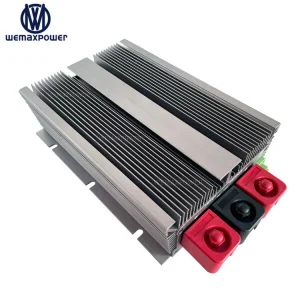
How Wemaxpower technology answers the core operational challenges faced by industrial procurement teams and camper manufacturers.
A deep dive into Smart Alternator dynamics, lithium chemistry conversions, and thermal management parameters for Ontario’s commercial and recreational vehicles.
Toronto and the wider Ontario market are witnessing a significant shift in mobile power management. With the City of Toronto pushing for municipal fleet decarbonization under the Net-Zero Carbon Climate Action Plan, alongside the explosive growth of four-season recreational vehicles (RVs) and off-grid overland campers, the demand for highly reliable secondary battery charging systems has escalated.
Operating vehicles in Canada presents unique meteorological and engineering difficulties. Batteries must cope with extreme winter temperatures (dropping below -20°C in the Greater Toronto Area) and humid summer conditions. Standard charging systems fail to adequately adapt to these temperature fluctuations, resulting in shortened battery lifespans or catastrophic failures. Wemaxpower's DC-DC chargers solve this by utilizing thermal-compensated charging algorithms that adjust voltage thresholds dynamically based on real-time environmental factors.
In extreme cold, Lithium Iron Phosphate (LiFePO4) batteries must not be charged below 0°C without risk of lithium plating. Our systems feature advanced sensor interfaces and customizable logic loops to ensure safe charging regimes, protecting high-cost auxiliary batteries during Ontario winters.
Modern commercial trucks, campervans, and service vehicles are equipped with "Smart Alternators" governed by Engine Control Units (ECUs). These systems dynamically lower output voltage to reduce engine load and meet fuel economy regulations. Consequently, traditional voltage-sensitive relays (VSRs) or simple battery isolators fail to charge auxiliary battery banks fully, often leaving them undercharged at less than 50% capacity.
Our intelligent Buck-Boost DC-DC technology operates regardless of alternator output voltage drops. By acting as a booster or buck regulator, it maintains a stable, programmable output voltage (e.g., 14.6V for LiFePO4 or 14.4V for AGM) even when the vehicle's smart alternator drops its output to 12.2V. This ensures your campervan or fleet utility vehicle reaches its destination with a fully charged auxiliary system.
For global fleet developers, recreational vehicle manufacturers, and electrical component distributors in Canada, sourcing chargers requires strict adherence to safety and performance certifications. Wemaxpower provides complete supply chain transparency, backing all exports with certificates of conformity. Our chargers comply with standard international regulatory frameworks, featuring built-in over-current, over-voltage, short-circuit, and thermal run-away protection mechanisms.
To maximize the life expectancy of high-capacity energy storage systems, our DC-DC chargers apply an automatic, highly precise three-stage charging curve:
Shenzhen Wemaxpower Technology Co., Ltd. is a manufacturer with 7 years of specialized R&D in power electronic systems.
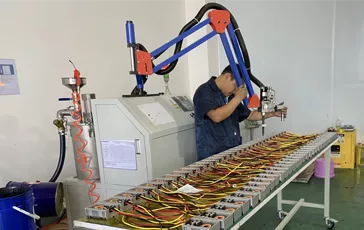
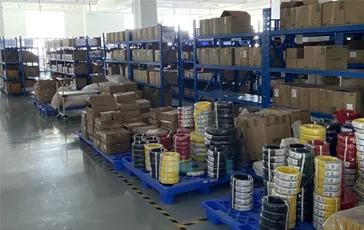
Our state-of-the-art facility integrates advanced SMT lines, precise calibration equipment, and isolated testing bays to ensure that every export batch satisfies the high expectations of Canadian utility fleets and recreational vessel builders. We supply programmable DC power supplies, high-efficiency DC-DC converters, and modular power conversion systems worldwide.
Operating under an ISO 9001-certified framework, our engineering teams collaborate closely with Toronto transit converters, commercial boat builders, and emergency services vehicle fleet designers to craft tailored power distribution units.

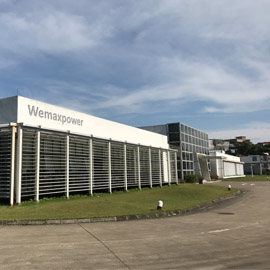
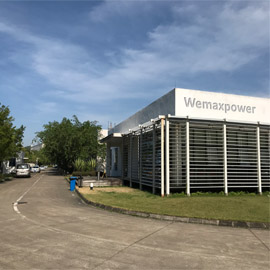
Our commitment to quality relies on a four-tier testing architecture designed to prevent field returns and infant mortality failures of electrical components:
| Test Stage | Objective & Parameters Evaluated |
|---|---|
| Raw Material Test | Component value screening, MOSFET leakage verification, and magnetic core tolerance checks. |
| Semi-Finished Test | Intermediate voltage verification, gate driver signal integrity, and auxiliary rail functionality. |
| Finished Product Test | Static load calibration, efficiency verification, and multi-stage charge curve configuration confirmation. |
| Aging Test | 100% full-load burn-in inside temperature-controlled chambers to isolate infant mortality failures. |
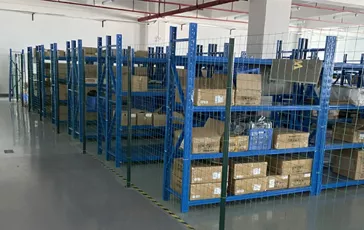
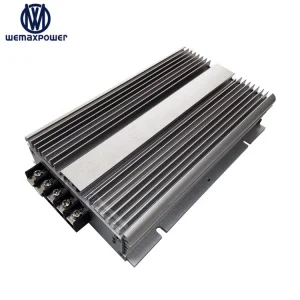
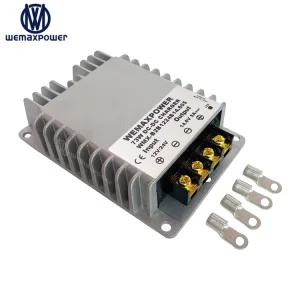
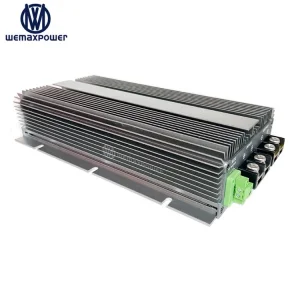
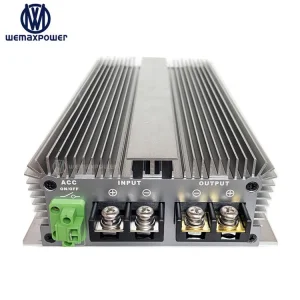
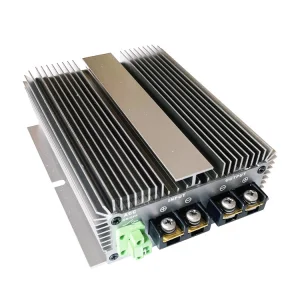
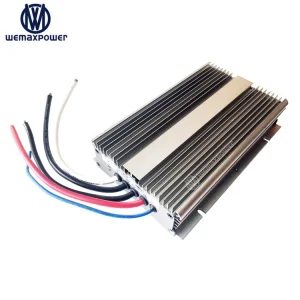
From compact PCB modules to high-power IP68 marine-grade systems, discover our complete line of converters built for the Toronto industrial market.
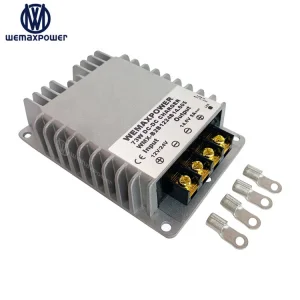
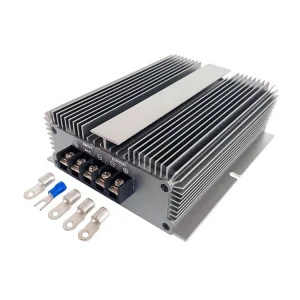
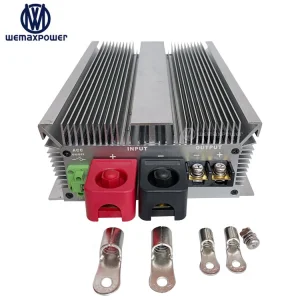
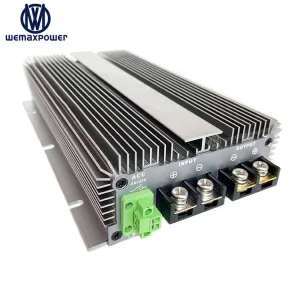
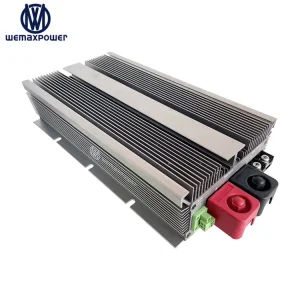
Technical answers to help fleet engineers and distributors specify the correct conversion equipment for Canadian projects.
Whether you are scheduling a fleet retrofit project, designing off-grid camper vans, or seeking high-performance private-label systems for the Toronto industrial sector, our engineers are ready to assist.
 Wemax Power