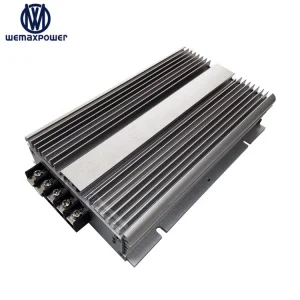
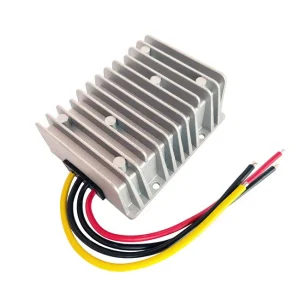
High-efficiency power conversion modules designed to support RVs, Marine operations, EV fleets, and off-grid telecom infrastructure under rigorous thermal conditions.
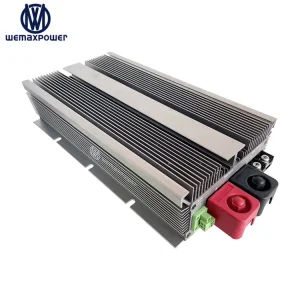
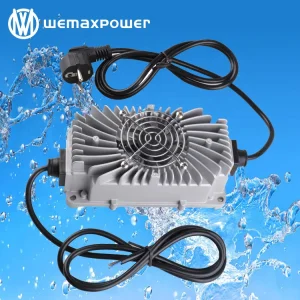
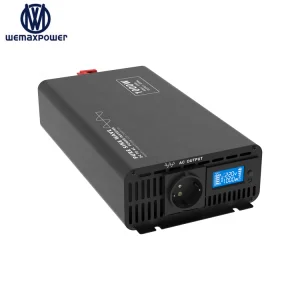
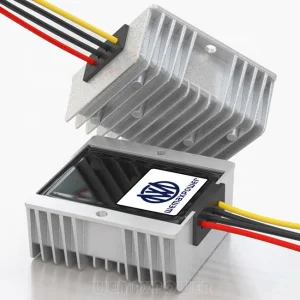
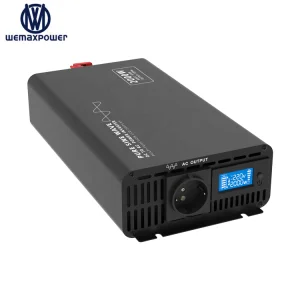
The global transition toward green electrification and grid independence has transformed the requirements for commercial power inversion and switching technologies. Power inverters are no longer simple switching devices; they have evolved into the complex cerebral systems of off-grid and vehicular electrical grids. High-frequency Pure Sine Wave Power Inverters are now standard for sensitive modern workloads, replacing older square or modified sine topologies which cause high harmonic noise and run the risk of damaging microprocessors.
Advancements in semiconductor physics—particularly the widespread adoption of Gallium Nitride (GaN) and Silicon Carbide (SiC) metal-oxide-semiconductor field-effect transistors (MOSFETs)—have allowed manufacturers to increase switching frequencies while reducing the spatial footprint of power stages. High switching frequencies reduce the physical size of inductors and capacitors, resulting in ultra-compact designs with high power densities of over 95% efficiency. For international buyers, choosing custom OEM power inverters utilizing GaN or SiC topologies means securing significant weight reduction, minimized thermal output, and prolonged system longevity.
Industrial procurement departments do not buy "off-the-shelf" hardware when integrating electrical modules into emergency backup systems, utility fleets, marine cruisers, or heavy-duty machinery. The core demands center around customization, certifications, and structural resilience:
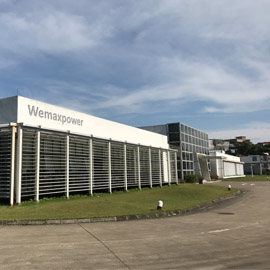
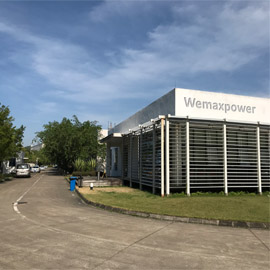
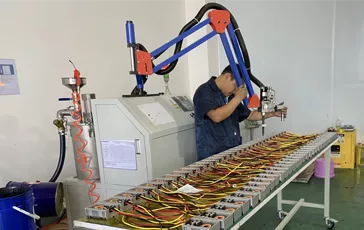
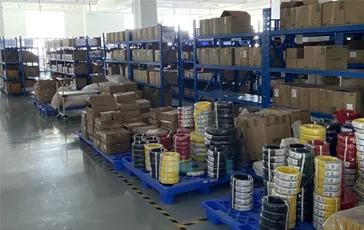
The manufacturing infrastructure of Shenzhen Wemaxpower Technology Co., Ltd. demonstrates how geographic concentration and vertical integration lead to supply chain resiliency. Operating in Shenzhen, the silicon capital of high-power hardware engineering, allows us to maintain direct access to tier-one passive components, copper coils, semiconductor chips, and thermal management compounds. This ecosystem minimizes lead times and shields our clients from external global logistics disruptions.
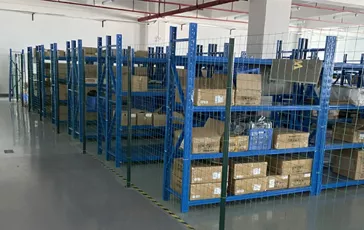
In alignment with Industry 4.0 methodologies, our fabrication pipelines use computerized SMT (Surface Mount Technology) assembly lines alongside automated optical inspection (AOI) to eliminate assembly errors. This technological edge enables us to handle large-scale custom OEM modifications while keeping lead times short and pricing highly competitive.
Under E-E-A-T manufacturing standards, we implement strict, multi-stage testing processes to guarantee long-term MTBF (Mean Time Between Failures) for all shipped modules.
All semiconductor chips, capacitors, and PCB boards undergo parametric and electrical stress screening. Inferior components are rejected at the door.
Functional checks on soldering joints, tracking path resistance, and transformer configurations are carried out during assembly.
Parameters including efficiency under full load, output waveform stability, harmonic distortion (THD), and voltage ripple are validated before final housing assembly.
Completed inverters run under full-load thermal conditions inside aging chambers to force early failures of weaker components, ensuring unmatched field reliability.

Electrical challenges change depending on the operational environment. For instance, marine systems face saline humidity and physical vibrations, which can cause micro-fractures in electrical traces and rapidly corrode metallic contacts. In contrast, automotive systems must withstand extreme thermal shifts and comply with strict automotive safety regulations.
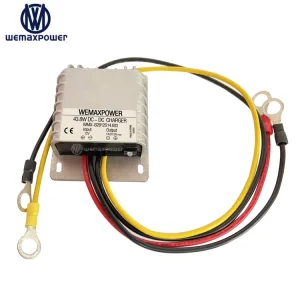
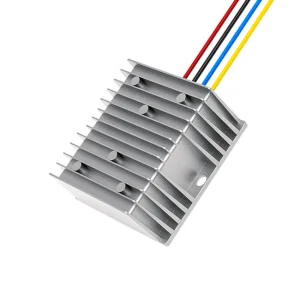
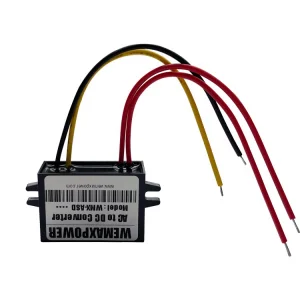
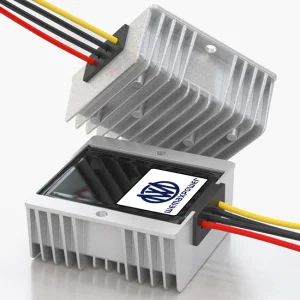
Wemaxpower addresses these varied demands by offering localized customization packages. Our IP68-rated waterproof DC-DC step-down converters are engineered with thermally conductive polyurethane encapsulation, making them dustproof and waterproof. For applications exposed to heavy vibrations, such as off-road RVs or utility vehicles, we apply structural epoxy potting to support heavy inductors, preventing mechanical failure from long-term shock.
As a seasoned exporter with a focus on custom engineering, Wemaxpower offers tailored solutions across several areas:
Get answers to critical integration, manufacturing, and design questions. Read explanations from our chief engineering desk.
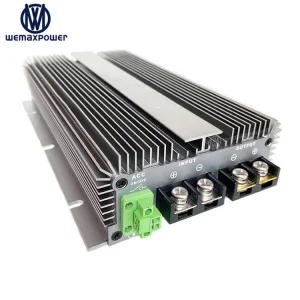
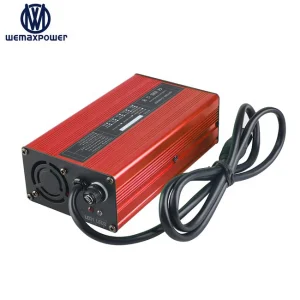
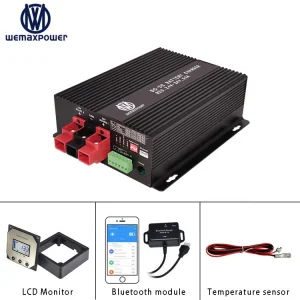
Advanced DC-DC regulators, dynamic converters, and multi-stage vehicle battery chargers designed to ensure reliability under heavy, continuous duty cycles.
 Wemax Power