Explore our engineering-grade components, manufactured under rigorous quality control standards for global commercial, industrial, and marine deployment.
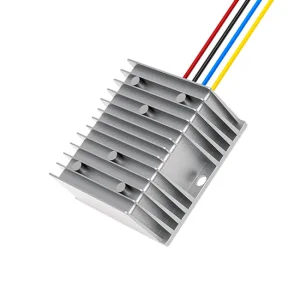
The global renewable energy sector is transitioning from passive grid-tied systems to active, smart-grid integrated nodes. Solar inverters are no longer basic DC-to-AC conversion boxes; they have evolved into the centralized computer systems of the solar plant. Current paradigms highlight several major advancements:
For engineering procurement departments, staying competitive means sourcing topology configurations that support high dynamic load variations and offer long design lives of over 10-15 years.
How utility-scale EPCs, telecommunications providers, and automotive OEMs mitigate procurement risk through strict technical evaluation.
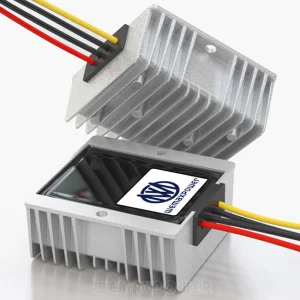
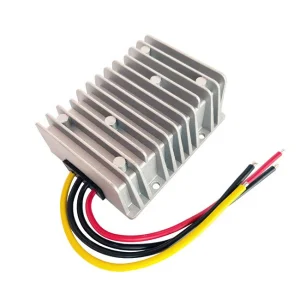
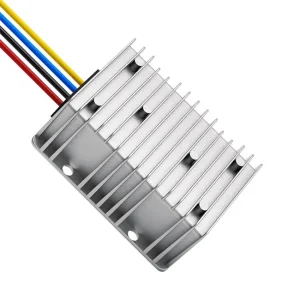
Industrial installations expose electronics to aggressive environments. Sourcing IP67 and IP68 waterproof ratings for DC-DC converters and inverters is non-negotiable for marine, construction, and automotive application spaces. High thermal performance and potting compounds ensure stable operations from -40°C up to +85°C.
To shield critical end equipment (e.g., telecom base stations, medical applications, and vehicle golf cart computers) from incoming surges, isolated power topologies are required. High-grade transformers prevent direct DC fault currents from propagating through output stages, ensuring low total harmonic distortion (THD < 3%).
Global supply networks require compliant products to bypass custom friction and liability issues. OEM modules must be certified to standards such as CE, RoHS, FCC, and regional safety frameworks to satisfy engineering criteria and insurance verification policies.
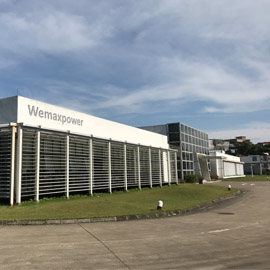
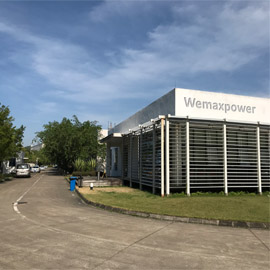
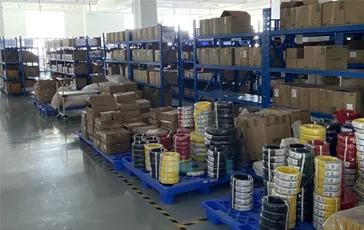
In the heart of Shenzhen’s electronic manufacturing cluster, Shenzhen Wemaxpower Technology Co., Ltd. leverages a mature regional component supply network to deliver high-quality custom power solutions. Over the past 7 years, we have optimized our supply chains to balance quick turnarounds with strict quality standards.
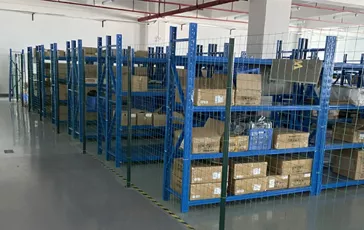
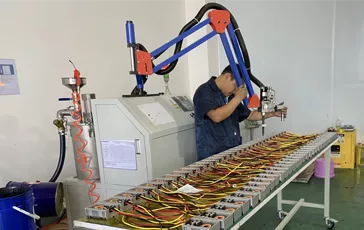
Our core competency lies in our automated production workflows and specialized testing configurations. By leveraging automated Surface Mount Technology (SMT) and computer-assisted testing rigs, we minimize manual errors and maintain tight tolerance levels across all electrical channels.
Every product—whether a high-power programmable DC power supply, DC-DC step-down converter, or telecom pure sine wave inverter—undergoes our signature 4-Step Quality Control (QC) Process:

Deploying specialized power converters across diverse operating environments.
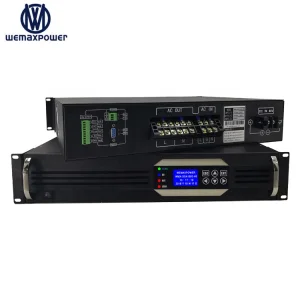
Telecommunications hubs rely on stable DC inputs (often 110VDC or 125VDC) to power transmitters and computing equipment. Our high-frequency 19-inch 2U rack mount pure sine wave inverters convert standard DC battery bank currents to stable 220V AC, protecting sensitive communications hardware from grid outages and spikes.
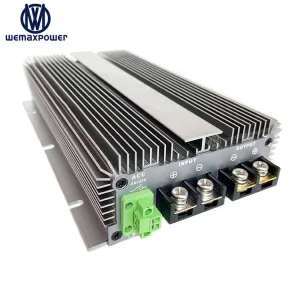
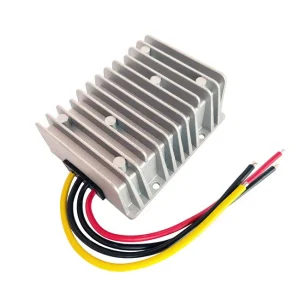
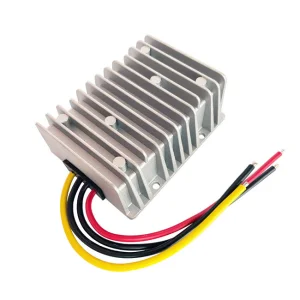
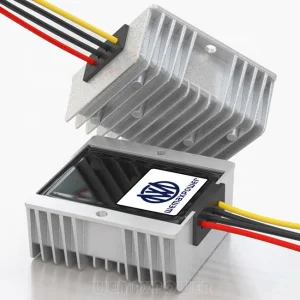
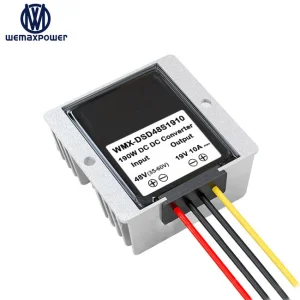
Marine vessels and offshore installations expose electronics to saline humidity and vibration. Using IP67-rated waterproof DC-to-DC converters and isolated step-down regulators ensures that high voltage inputs from auxiliary batteries or alternators (such as 36V or 48V banks) are stepped down to stable 12V outputs for vital navigation systems, without risking galvanic leakage.
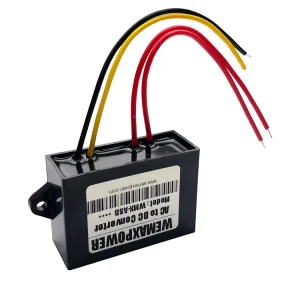
Modern golf carts, forklifts, and electric weeders use high-voltage traction batteries (typically 36V, 48V, or 80V) that need to power standard 12V accessories. High-efficiency buck modules manage this high-to-low DC step-down process, delivering flat voltage lines to prevent radio noise, audio buzz, and lighting flicker.
| Technology Platform | Input Range Options | Typical Efficiency | Isolation Level | Key Target Application |
|---|---|---|---|---|
| Rackmount pure sine wave inverter | 110VDC / 125VDC | > 92% | Galvanic Isolation (High) | Telecom Systems & Rack Infrastructure |
| IP67 Waterproof Buck Converter | 36VDC / 48VDC / 80VDC | > 95% | Non-Isolated / Isolated Options | Golf Carts, Utility Vehicles & Marine Electronics |
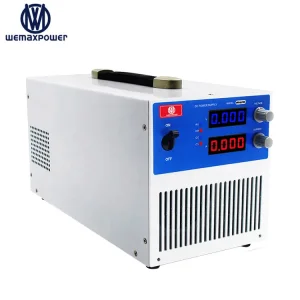
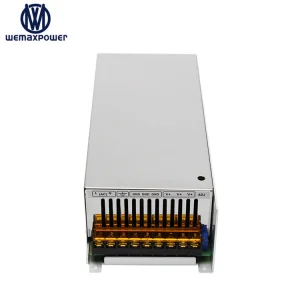
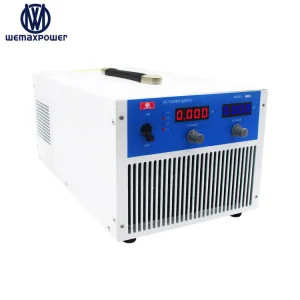
| Adjustable Laboratory DC Power Supply | 110VAC / 220VAC | > 89% | Fully Protected Chassis Isolation | Battery Charging, Plating, Testing Lab Environments |
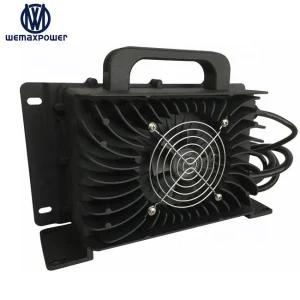
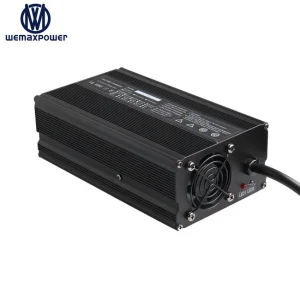
| Waterproof LiFePO4 Charger | 12V Alternator Input | > 94% | Microprocessor Controlled | Marine Battery Charging, Off-grid RV Auxiliary Systems |
Addressing the complex engineering and design questions asked by system integrators and procurement leads.
Explore our highly integrated stabilizers, chargers, and industrial-grade step-down regulators.
 Wemax Power