Precision-engineered DC-DC converters, variable power supplies, and intelligent chargers designed for extreme environments.
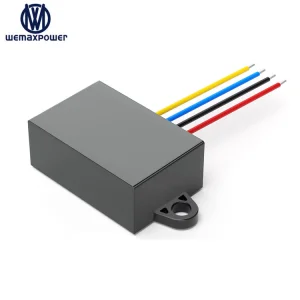
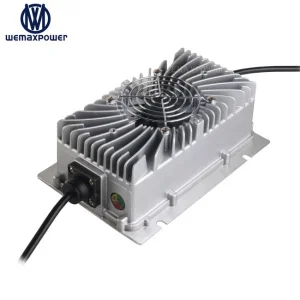
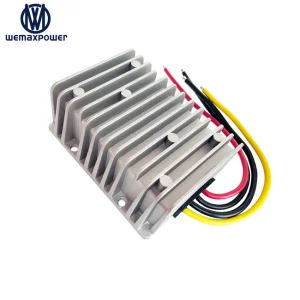
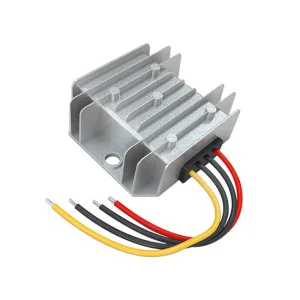
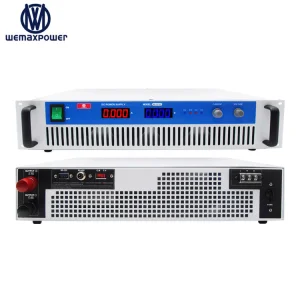
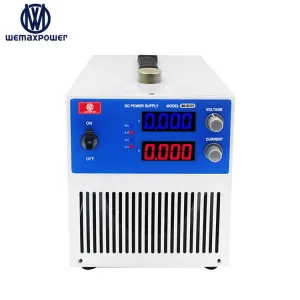
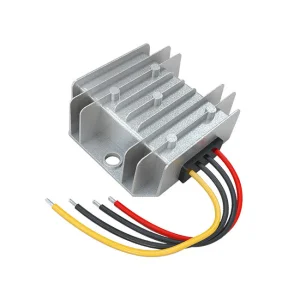
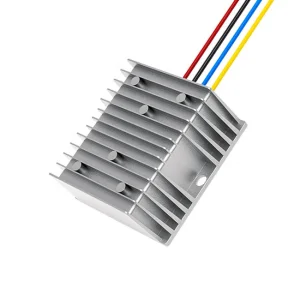
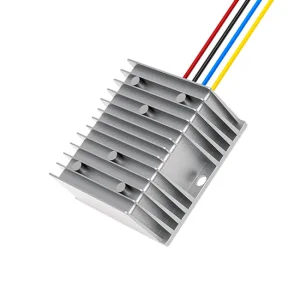
In modern industrial design, power conversion efficiency is a primary design constraint. Compact inverter modules and high-performance DC-DC converters act as the critical bridge within advanced power electronics systems. They convert and regulate varying voltage ranges into stable, filtered electrical outputs. As demand rises for high power density in minimal structural volumes, design engineers face the challenge of minimizing electrical loss while mitigating thermal load. By choosing the right modular inverter or converter topography, manufacturers can achieve up to 96% power conversion efficiency, significantly shrinking the physical footprint of the final assembly.
Industrial applications frequently demand specialized isolation features to shield sensitive digital microcontrollers from high-voltage spikes. Utilizing isolated DC-DC step-down converters or variable AC-DC regulated power supplies enables critical safety boundaries. The selection of a module supplier depends heavily on finding partners capable of providing optimized designs with high Mean Time Between Failures (MTBF), low electromagnetic interference (EMI), and excellent load regulation under variable ambient temperatures.
Analyzing the industrial cluster effects, component supply integration, and technological advantages that make Chinese power electronic manufacturers global leaders.
Proximity to advanced SMT (Surface Mount Technology) assembly lines, localized magnetic component winders, and silicon carbide (SiC) or gallium nitride (GaN) semiconductor packaging facilities drastically reduces prototyping lead times and production costs.
Chinese power supply engineers excel at structural optimization, deploying advanced thermal modeling and electromagnetic compatibility (EMC) simulation to fit heavy-duty power electronics into ultra-slim, compact spaces.
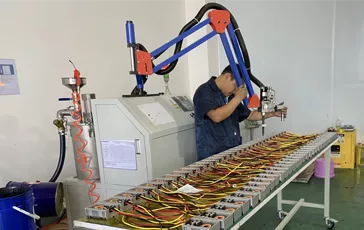
Leading Chinese manufacturers adhere to zero-defect quality practices. By executing IQC (Raw Materials), IPQC (Semi-finished), FQC (Finished functional tests), and OQC (full-load high-temperature burn-in/aging test), stability is guaranteed across thousands of production units.
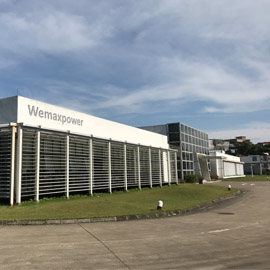
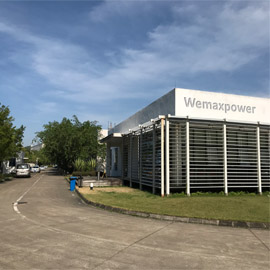
Shenzhen Wemaxpower Technology Co., Ltd. is a high-technology power electronics manufacturer with over 7 years of specialized production experience. Their high-caliber engineering team designs and manufactures programmable DC power supplies, high-efficiency DC-DC converters, battery chargers, and compact power modules.
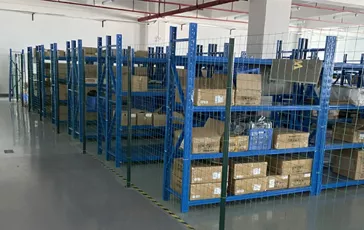
Exporting to major global markets, Wemaxpower focuses on rigorous performance, safety, and localized customer support. To ensure reliability in heavy-duty and hazardous conditions, all products undergo a strict 4-step Quality Control (QC) workflow: raw material testing, semi-finished board verification, completed unit evaluation, and 100% full-load thermal aging testing.
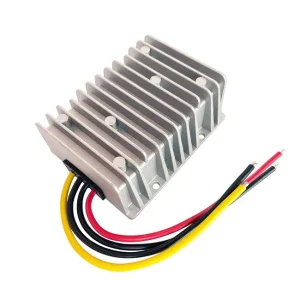
Whether you require isolated step-up modules for electric vehicles, programmable lab equipment, or rugged waterproof converters, the factory team at Wemaxpower is dedicated to delivering quality-guaranteed orders on schedule.

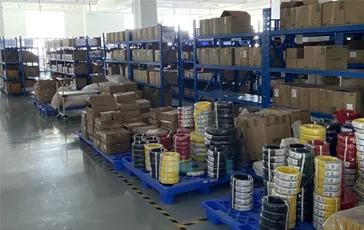
Discover how advanced compact inverter modules and high-precision DC-DC converters are deployed across core global industries to optimize power infrastructure.
From electric e-bikes to rugged warehouse forklifts, reliable battery charging and power management systems are mandatory. High-current charging modules (like 42V 6A chargers) ensure optimal thermal control and LiFePO4 battery pack protection, improving overall battery cycle life.
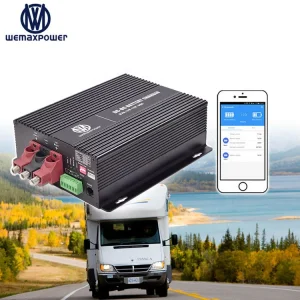
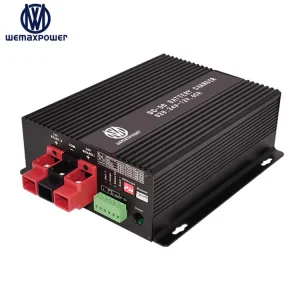
Off-grid camper vans rely on dual-battery setups. High-power isolated DC-to-DC chargers (such as 12V to 14.6V 60A models) safely charge auxiliary LiFePO4/lithium battery systems directly from the vehicle alternator, filtering out transient voltage spikes and ensuring constant voltage profiles.
Electrolysis and wastewater purification systems require constant, highly-adjustable AC/DC power supplies. High-output switching rectifiers (e.g., 3000W adjustable units supporting up to 100V 30A) deliver stable current density for chemical separation and electrode cleaning processes.
The global push for electrification and energy independence is accelerating technological innovation in power modules. Key shifts include:
Crucial insights for purchasing managers, electrical engineers, and system integrators regarding compact power supplies.
Isolated DC-DC converters feature complete electrical isolation between input and output circuits, typically using a high-frequency transformer. This protects downstream sensitive components from damage caused by high-voltage input transients and eliminates ground loops. Non-isolated converters share a common ground, making them more cost-effective and slightly more efficient, though less protective.
An aging test (burn-in test) operates modules under full load at high temperatures (often 40°C to 50°C) for several hours. This process triggers early components failures (infant mortality stage) within the factory, preventing field failures and guaranteeing high reliability in demanding field conditions.
Yes. Many smart battery chargers are pre-configured with distinct charge profiles. Since lithium-ion requires different cut-off voltages (typically 4.2V per cell) compared to lithium iron phosphate (LiFePO4, typically 3.65V per cell), select chargers offer variable output configurations to prevent overcharging or cell degradation.
Look for critical indicators of E-E-A-T (Expertise, Authoritativeness, Trustworthiness). Review their test equipment documentation, check for international certifications (UL, CE, RoHS, FCC, ISO9001), verify they offer customized design iterations, and ensure they perform detailed 4-step quality assurance processes.
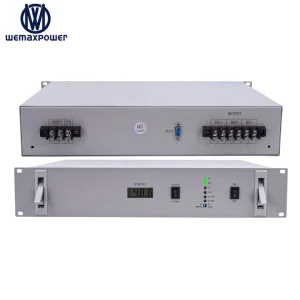
High-efficiency voltage buck-boost converters, programmable bench systems, and localized telecommunication modules.
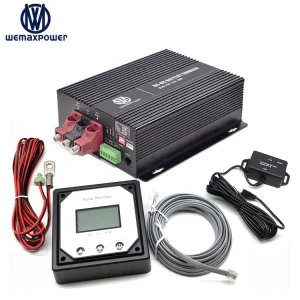
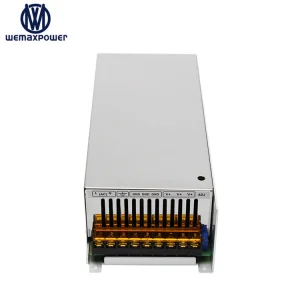
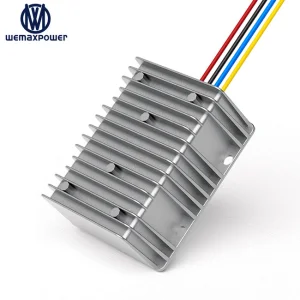
 Wemax Power