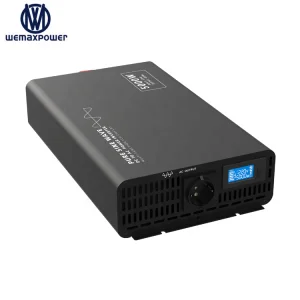
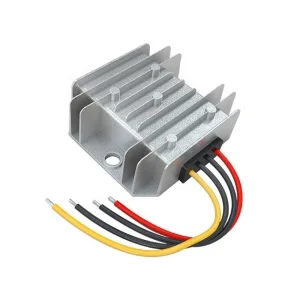
Explore our top-tier catalog of DC-DC chargers, step-down stabilizers, wide-input converters, and pure sine wave inverters engineered to industrial specifications.
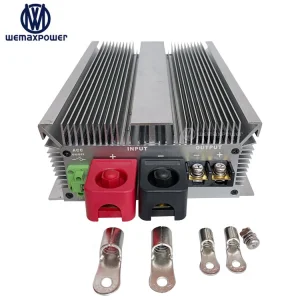
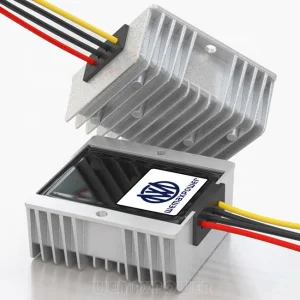
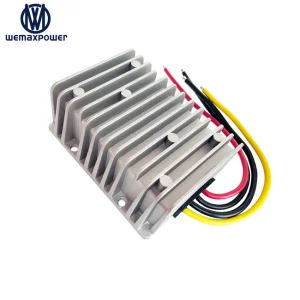
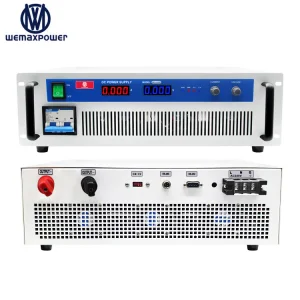
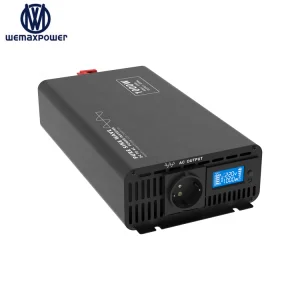
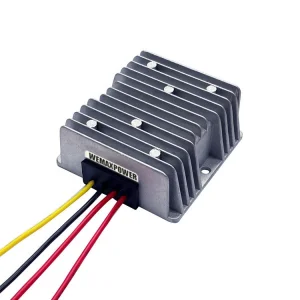
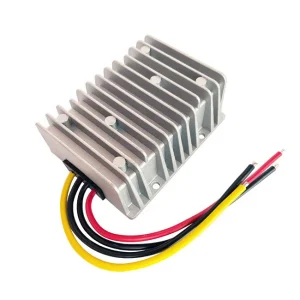
In modern industrial design, power conversion efficiency directly impacts operational cost, system downtime, and hardware longevity. Global procurement teams within the sectors of Renewable Energy, Industrial Automation, Electromobility, and Smart Grid Infrastructures are looking beyond simple component pricing. They demand highly reliable AC-DC switching converters and programmable power solutions that deliver high efficiency, dynamic transient response, and zero maintenance in demanding environments.
As switching converter manufacturers based in China, we see shifting compliance patterns. Industrial equipment buyers are no longer searching only for standardized power modules. They are seeking specialized technological partners capable of customization. From isolated voltage regulators protecting sensitive logic circuits in marine systems to high-power, multi-phase systems driving industrial electroplating lines, custom configuration is the new standard.
The global transition towards high-density energy architectures (LiFePO4 lithium batteries, GaN-based switching topologies, smart communication grids) has shifted buyer requirements from analog regulating units to programmable micro-processor controlled smart converters.
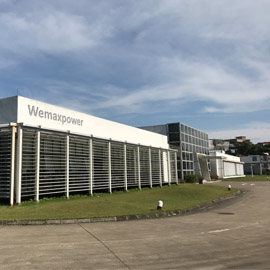
Shenzhen Wemaxpower Technology Co., Ltd. is an established manufacturer specializing in programmable DC power supplies, step-down converters, and advanced power modules.
With 7 years of deep domain experience in the high-frequency switching power sector, Shenzhen Wemaxpower Technology Co., Ltd. has established itself as an innovative designer and manufacturer of custom power solutions. Our comprehensive portfolio includes programmable DC power supplies, highly isolated DC-DC converters, active PFC switching power units, and intelligent automotive battery charging arrays.
We serve industrial control, electroplating, telecommunications, electromobility, and marine equipment markets. Rather than offering basic off-the-shelf power supplies, Wemaxpower emphasizes custom solutions. We work with engineering teams to modify voltage envelopes, transient responses, protection thresholds, and housing styles to match harsh environments.
Our global footprint spans across North America, Europe, East Asia, and Australia, backed by technical support and quick prototype iterations.
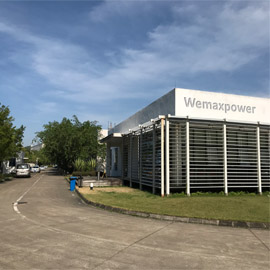
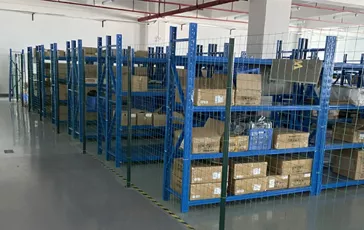
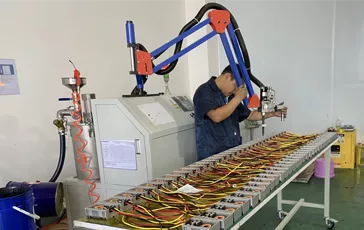
To ensure high performance in demanding applications, we execute a rigorous four-stage quality assurance protocol on every production batch.
Verification of switching transistors, custom magnetic cores, and high-temperature capacitors against target specifications.
PCBA inspection, diagnostic testing of voltage regulating sub-circuits, and automated optical inspection (AOI).
Functional validation, electrical safety compliance checks, isolation parameters verification, and housing sealing checks.
100% of finished power units undergo full-load burn-in thermal testing for 4–8 hours to eliminate early component failures.

Automated dynamic cycling simulation monitors performance limits under high-temp operating conditions.
Compare core switching topologies and study our technical path to delivering higher power density and better thermal performance.
The selection of converter topologies directly impacts the footprint, efficiency, and EMI profile of an industrial installation. While traditional pulse-width modulation (PWM) buck-boost topologies remain relevant, modern high-power systems utilize resonant converters (LLC) or phase-shifted full-bridge topologies to achieve zero-voltage switching (ZVS). This significantly reduces switching losses and EMI emissions.
Below is a comparative analysis of industrial-grade switching converter topologies engineered at Wemaxpower:
| Parameter Class | High-Frequency Resonant LLC | Active PFC Buck-Boost | Phase-Shifted Full Bridge | Isolated DC-DC Regulators |
|---|---|---|---|---|
| Typical Efficiency | 94% - 97% | 90% - 93% | 92% - 95% | 88% - 92% |
| Input Voltage Range | Narrow (Optimized) | Wide (Universal) | Medium (High DC) | Wide (System Specific) |
| EMI Noise Profile | Very Low (Soft-Switching) | Medium (Requires Filters) | Low (ZVS Control) | Ultra-Low (Isolated Barrier) |
| Typical Application | Programmable High-Power Lab Units | Wide-Range LED & Telecom | Industrial Electroplating Line | Automotive & Marine Aux Bus |
Wemaxpower's engineering roadmap focuses on three main industry trends:
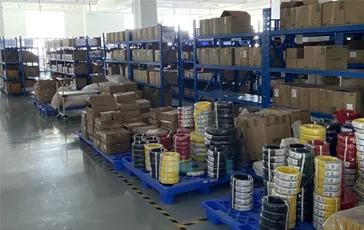
Every order shipped from Shenzhen Wemaxpower undergoes final inspections. Each unit is individually calibrated, and high-potential (hipot) isolation tests are logged in our database for traceability.
How our switching power supplies, battery chargers, and converters are integrated into critical global applications.
Our high-current DC-DC chargers (50A, 12V to 29.2V) are designed to handle variable alternator profiles in campers, boats, and utility trucks. They provide safe charging profiles for LiFePO4 batteries.
From 3-phase 380VAC input adjustable power units (up to 250VDC/40A) to active PFC rectifiers, our systems power heavy machinery, CNC electronics, and electroplating installations.
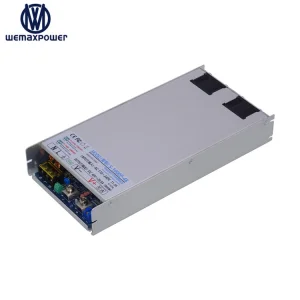
Our isolated buck-boost converters and 1000W switching power supplies with active PFC keep base stations online by providing regulated voltage outputs under input fluctuations.
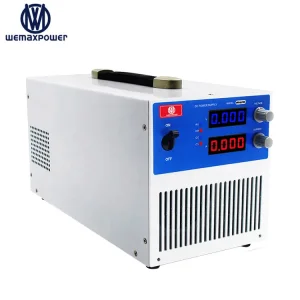
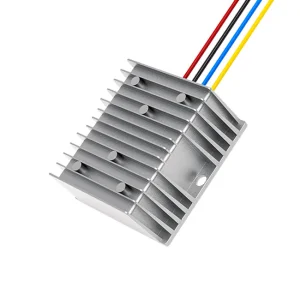
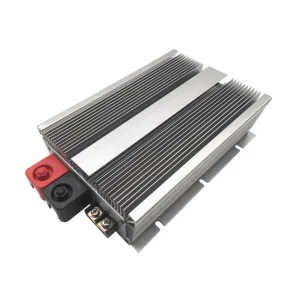
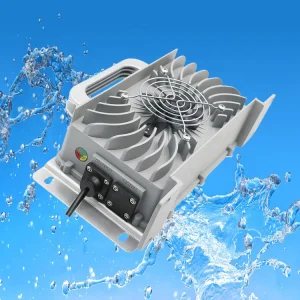
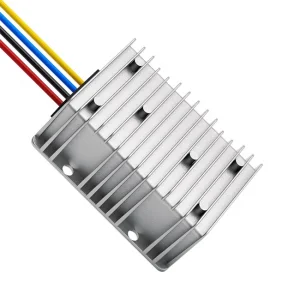
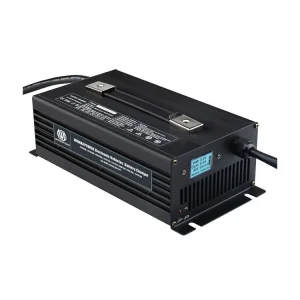
Discover our comprehensive collection of adjustable switching supplies, waterproof battery chargers, and isolated automotive converters.
Get professional explanations from our power electronics engineering team regarding topologies, configuration, and compliance.
 Wemax Power