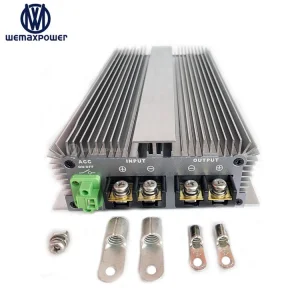
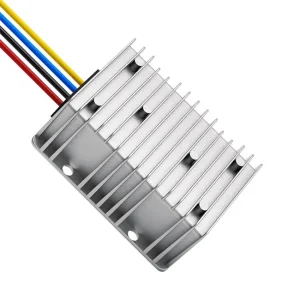
A comprehensive analysis of solar charge regulator standards, supply-chain positioning, and clean energy topologies driving industrial growth.
As the global energy transition accelerates, the demand for off-grid power structures has evolved from niche utility systems to sophisticated commercial, industrial, and telecommunications installations. The Solar Charge Controller serves as the brain of any off-grid photovoltaic (PV) array, regulating voltage and current output from solar panels to prevent battery overcharging, optimize storage capacity, and extend system lifespans.
In heavy industrial and commercial settings, these controllers are subjected to harsh environmental stressors. From Remote Telecom Transceiver Stations (BTS) in hot desert landscapes to marine offshore telemetry platforms, energy systems require rugged topologies. Manufacturers from China's premier tech centers, such as Shenzhen, have scaled their design architectures to support complex chemistries, including Lithium Iron Phosphate (LiFePO4) battery systems, high-voltage battery arrays, and active power factor corrections (PFC).
"An optimal power management ecosystem demands more than mere voltage regulation; it requires real-time maximum power point tracking (MPPT) combined with high-grade electrical isolation to prevent cascading faults."
The evolution of battery charging mechanisms traces a technological path aimed at maximizing efficiency. Traditional Pulse Width Modulation (PWM) technology, while reliable and cost-effective for low-power applications, cannot harvest the maximum energy from PV panels during unfavorable conditions.
Modern commercial topologies utilize multi-phase synchronous rectification and advanced Maximum Power Point Tracking (MPPT). Key highlights of the technical roadmap include:
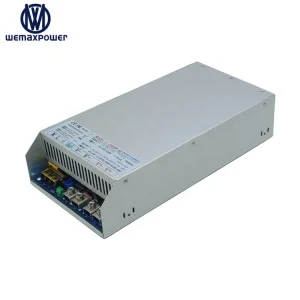
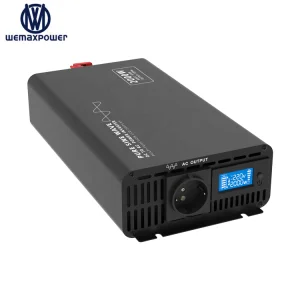
Deploying power systems globally means encountering varying electrical environments. In underdeveloped grids, AC mains voltage fluctuates wildly. Solutions include implementing wide input range switching power supplies that can handle inputs from 90V to 264Vac while outputting stable DC currents.
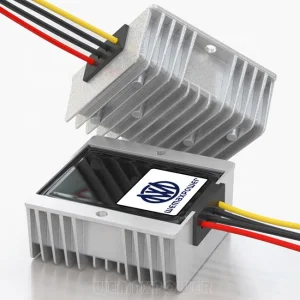
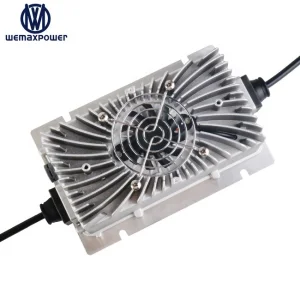
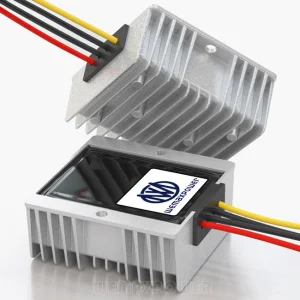
Furthermore, environmental sealing (IP67 or IP68 ratings) is necessary for outdoor units. Devices like waterproof marine DC-DC battery chargers utilize high-density polyurethane potting to ensure water, salt, dust, and vibration do not degrade the internal components.
A trusted industrial-grade power manufacturer with 7 years of specialized production, global exports, and strict quality assurance protocols.

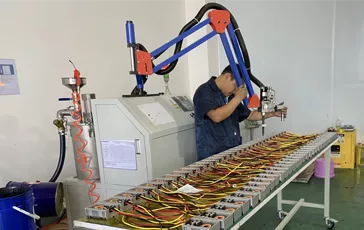
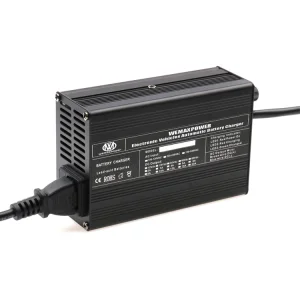
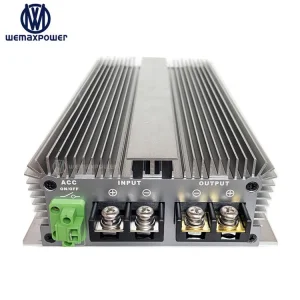
Our production facilities utilize modern surface-mount technology (SMT) and automated testing equipment. We manufacture programmable DC power supplies, high-efficiency DC-DC converters, battery chargers, and power modules engineered for the global industrial market.

Our engineering team designs power systems to perform reliably in demanding environments. Our products are exported to various international markets, backed by comprehensive technical support and design customization services.
To maintain product reliability under continuous load conditions, every power module and regulator undergoes a strict 4-step QC lifecycle prior to export.
Engineered for stability across demanding industries and configurations worldwide.
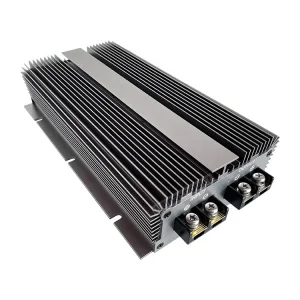
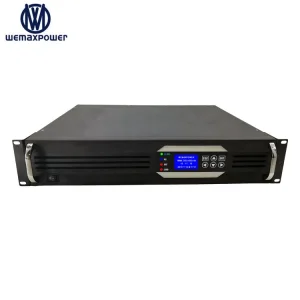
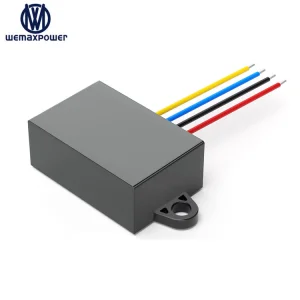
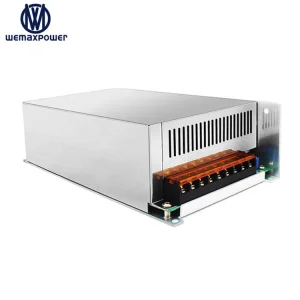
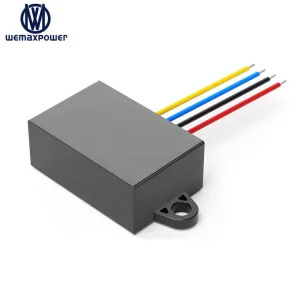
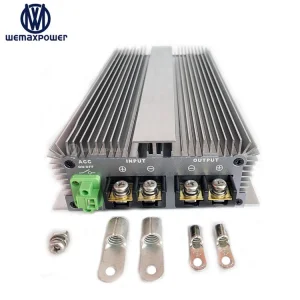
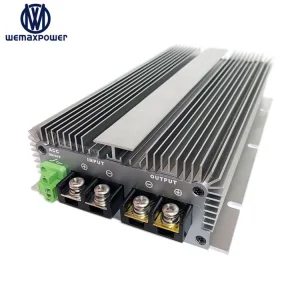
Find technical insights regarding DC-DC conversion topologies, battery charger specifications, and system safety standards.
 Wemax Power