Advanced power conversion modules optimized for immediate deployment across R&D zones, robotic assembly lines, and industrial control systems in Seoul's smart factories.
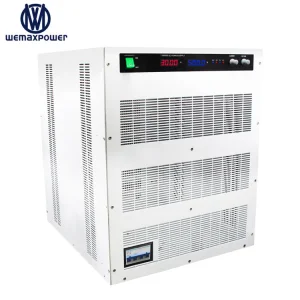
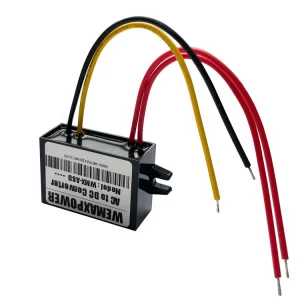
South Korea's capital, Seoul, is the nucleus of Eastern Asia’s technological transformation. With massive R&D hubs stretching from Gasan Digital Complex to Pangyo Techno Valley, the demand for highly precise, reliable, and programmable DC power supplies has surged. Modern industries in Korea no longer tolerate basic analog power grids. Whether they are manufacturing microprocessors, testing automotive ECUs (Electronic Control Units), or simulating complex battery discharge curves for domestic EV battery makers, engineers require dynamic programmable power platforms.
The convergence of IoT, localized cloud networks, and robotic factory floors (Smart Factories 4.0) calls for extreme power conditioning. In Seoul, electromagnetic compatibility (EMC) is critical. The high density of semiconductor testing labs and close proximity of experimental units mean that power ripple must be kept below millivolt levels, and response times to load variations must be measured in microseconds.
Power electronic devices are shifting away from traditional linear systems to high-frequency, wide-bandgap semiconductor architectures.
Our programmable power supplies utilize high-speed Digital Signal Processors (DSP) to achieve instantaneous dynamic response times. Standard analog control loops introduce lag; our digital controls compensate in less than 500 microseconds.
Silicon Carbide (SiC) and Gallium Nitride (GaN) components are progressively integrated into our converters, enhancing overall thermal conductivity, minimizing physical size, and boosting power conversion efficiency to above 96%.
Advanced firmware configurations enable our high-voltage programmable systems to simulate state-of-charge (SoC) parameters for Lithium-Ion and LiFePO4 batteries, serving the growing EV market in Seoul.
High-power programmable DC systems function as the foundation for broader vertical integrations, ranging from electroplating to grid emulation.
With logic chips and memory architectures operating at lower voltages and higher current thresholds, our low-ripple programmable power supplies prevent over-voltage spikes that damage silicon substrates during wafer-level testing.
In Seoul’s precision mechanical and component plating workshops, high-current programmable supplies regulate constant-voltage or constant-current parameters. This ensures consistent plating thickness and prevents defect accumulation.
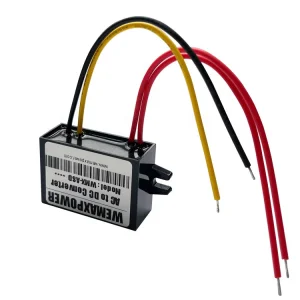
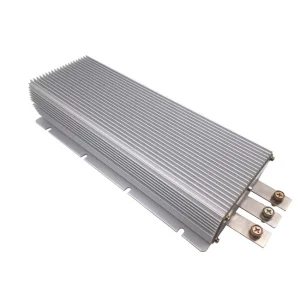
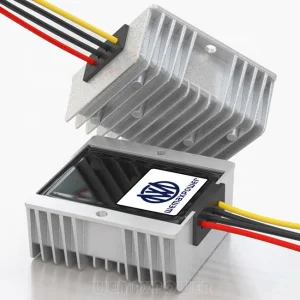
We provide highly scalable DC-DC step-up/step-down converters and charger modules tailored for onboard battery management systems (BMS), high-power fast-charging piles, and dynamic fleet energy storage integration.
Programmable voltage ranges allow engineers to simulate fluctuational solar or wind inverter outputs. This facilitates real-time performance evaluation of grid-tie hardware and battery packs under strict lab environments.
Shenzhen Wemaxpower Technology Co., Ltd. is a manufacturer with over 7 years of deep industry expertise. Our production is optimized to balance cost efficiency, component availability, and engineering quality.
Operating from Shenzhen—the global capital of electronics manufacturing—we leverage a robust, highly responsive supply chain to secure premium components, from low-loss magnetic cores to high-reliability capacitors. Our products undergo a meticulous 4-step quality control (QC) process to guarantee performance under demanding operating conditions:
Raw Material Inspection: Strict parameter testing of incoming power ICs, mosfets, and capacitors before assembly.
Semi-Finished Product Verification: Circuit testing, calibration of primary digital control loops, and solder quality analysis.
Finished Product Calibration: Load regulation, output noise analysis, and safety grounding tests.
24-Hour Full-Load Aging Test: Subjecting every finished system to simulated operating conditions to eliminate infant mortality rates.
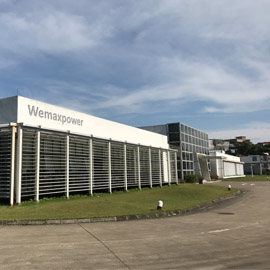
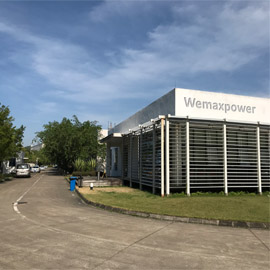
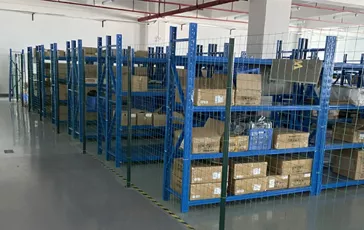
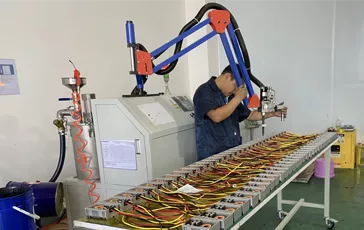
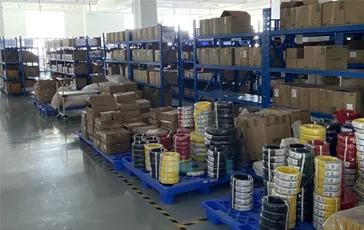
Factory Team & Infrastructure Showcase:
The factory team will deliver you quality-guaranteed orders

The Korean regulatory space imposes precise requirements regarding industrial EMI/EMC levels under KN 61000 standards. Our power hardware is engineered to pass stringent local inspections. Ground plane separations, input filter networks, and structural shielding help keep high-frequency emissions below threshold limits, preventing interference with delicate precision equipment on adjacent circuits.
Additionally, we offer complete integration documentation. Whether you are coding automated testing systems using Python, LabVIEW, or C#, our standard Modbus-RTU and SCPI protocol structures ensure straightforward software configuration.
Global engineering enterprises demand reliable delivery schedules, transparent pricing structures, and verifiable product longevity. Our logistical and engineering teams work in sync to coordinate supply lines from our manufacturing plants directly to your facility in Seoul.
For large-scale industrial projects, OEM system customization is available. Whether you require specific form-factor cabinets, non-standard voltage ranges, or high-performance IP67 waterproof enclosures for harsh operating environments, we deliver optimized solutions engineered to your requirements.
From ruggedized industrial step-up converters to laboratory grade adjustable DC power grids, explore our complete list of technical options.
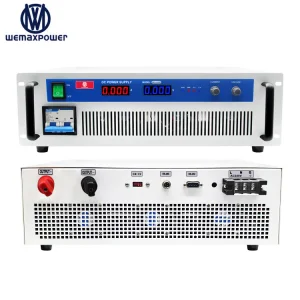
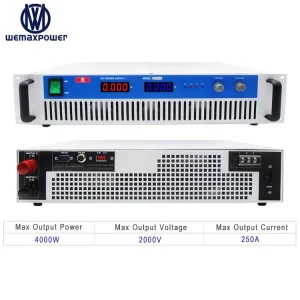
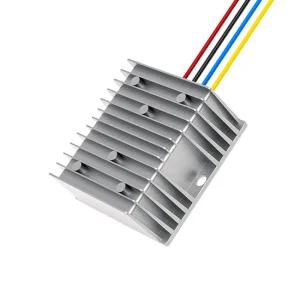
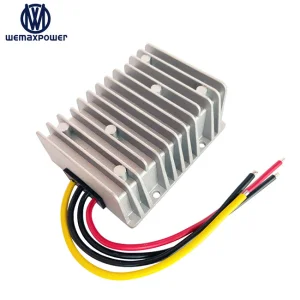
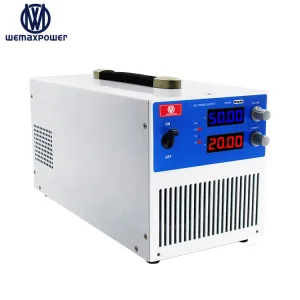
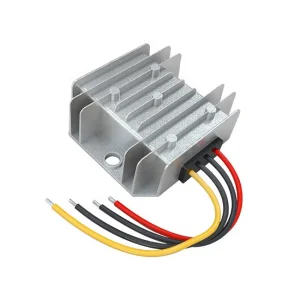
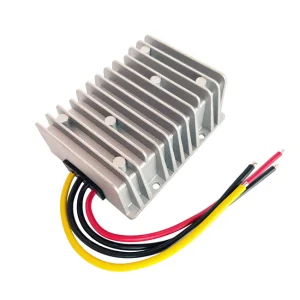
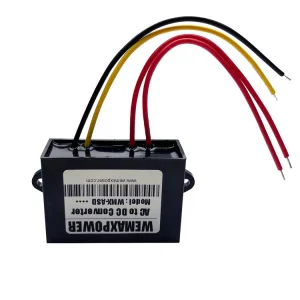
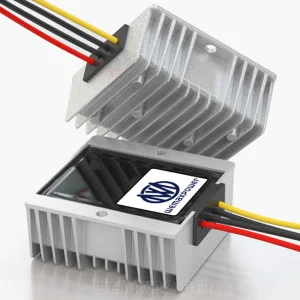
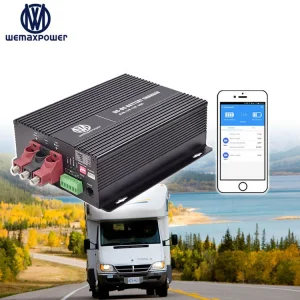
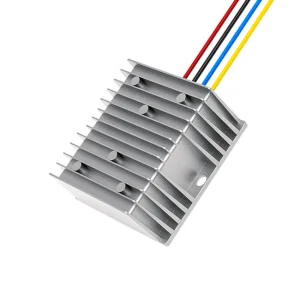
Critical engineering guidelines for integrating programmable power supplies and converters within Korean and international industrial frameworks.
A: We maintain a rigorous 4-step quality control process. Every single device undergoes a raw material inspection, semi-finished stage evaluation, complete electrical output validation, and a mandatory 24-hour high-temperature, full-load burn-in (aging) test before it is packed and dispatched from our Shenzhen facility. This minimizes field defect rates to under 0.2%.
A: Yes. All of our dynamic programmable DC systems support common industrial communications interface protocols, including RS232, RS485, Modbus-RTU, and SCPI command architectures. Ethernet or CAN options can be integrated upon request, allowing seamless integration with automation software and laboratory equipment.
A: We design our power conversion topologies with heavy-duty input and output filters to minimize total harmonic distortion (THD) and EMI emissions. Our design templates are constructed to align with Korean Certification (KC) parameters and KN 61000 compliance frameworks for high-frequency radiation limits.
A: For standard catalog adjustments (e.g., custom connector terminals or specific voltage calibrations), design verification takes 3-7 business days. Bulk manufacturing typically ranges from 15 to 25 days depending on circuit complexity and quantity, followed by express ocean or air transit to South Korea's ports.
A: Yes. Our engineering support includes simulation model consultation, transient load regulation calculations, and interface wiring schematics to ensure our high-power converters and programmable units fit within your test platforms.
 Wemax Power