Engineered to support regional New York cellular deployments, transit agency systems, and modular optical transport configurations. These systems match strict N+1 redundancy architectures.
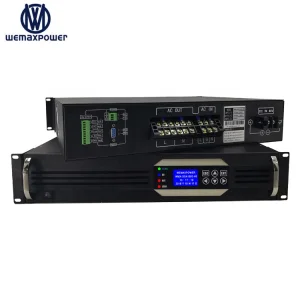
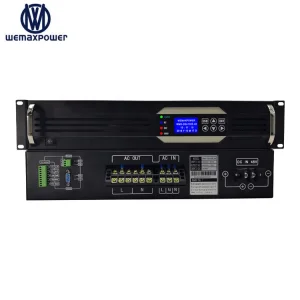
The New York metropolitan area represents one of the most complex, dense, and critical telecommunications ecosystems in the world. From landmark carrier hotels at 60 Hudson Street and 111 Eighth Avenue to distributed suburban networks across Long Island and upstate utility corridors managed by Con Edison, electrical performance margins are highly restricted. Power failure is not an option when millions of concurrent financial transactions and municipal communication channels rely on seamless connectivity.
Industrial equipment operating inside metropolitan New York must contend with distinct operational environmental factors, including restricted thermal dissipation in historic rack deployments, strict fire safety codes, and electrical noise from overlapping rapid transit systems. Telecom-grade DC-to-AC pure sine wave inverters act as the last line of defense, converting baseline battery bank energy (48VDC, 110VDC, or 125VDC) into precise, noise-free, utility-grade alternating current.
Get Project Sizing ConsultationAs operators transition to high-frequency 5G infrastructure, edge-computing centers, and hybrid smart-grid systems, telecom power design requirements continue to change rapidly.
Wemaxpower inverters support wide input swings across 48VDC, 110VDC, and 125VDC systems, ensuring stable output even when batteries are discharging under heavy loads.
Built-in bypass paths switch load connections between DC battery paths and primary utility lines in under 4 milliseconds, preventing hardware reboots.
Using advanced power electronics allows high-capacity systems to fit inside clean 1U/2U configurations, saving valuable cabinet space.
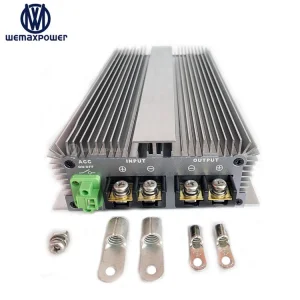
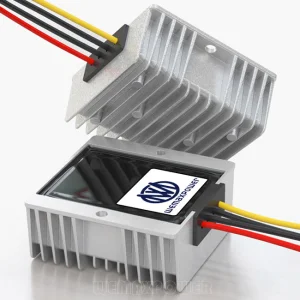
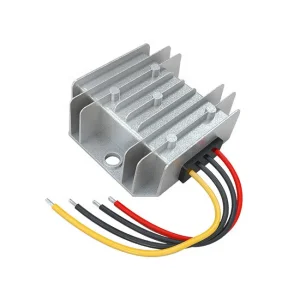
High-efficiency DC-DC buck/boost converters and smart battery chargers engineered for transit yards, marine infrastructure, and remote radio towers.
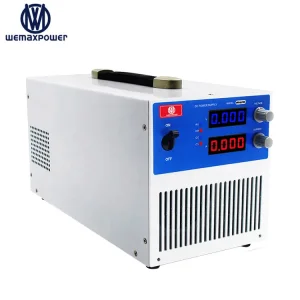
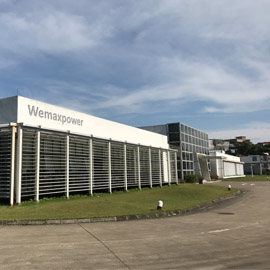
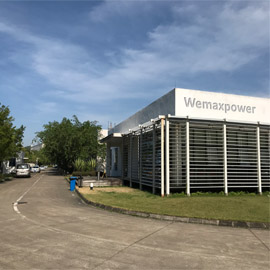
Shenzhen Wemaxpower Technology Co., Ltd. stands at the forefront of power conversion engineering. With over 7 years of specialized manufacturing experience, our production line implements Industry 4.0 principles to balance volume capacity with precision customization.
For systems deployed in demanding environments like New York, our supply chain ensures reliable lead times, high-grade components, and strict compliance with international testing frameworks. Our engineers work directly with your procurement teams to adapt system parameters, modifying connectors, chassis styles, and cooling arrays to suit specific regional requirements.
"All products undergo a comprehensive 4-step QC process to ensure stable performance when integrated into utility and municipal power systems."
Component-level parametric screening verifies raw magnetic cores, semiconductors, and capacitors before they reach assembly lines.
Automatic optical inspection (AOI) and in-circuit tests verify solder points and path values on PCB assemblies.
Systems undergo full-load operational checks to verify frequency output, dynamic voltage response, and protection circuits.
Completed units are run at high temperatures under full electrical load to screen out infant mortality failures before shipment.
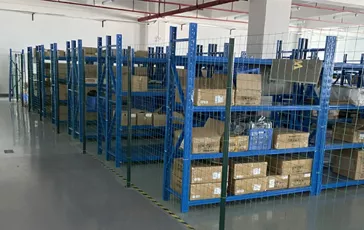
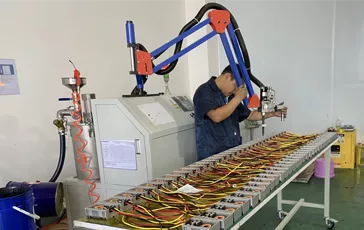
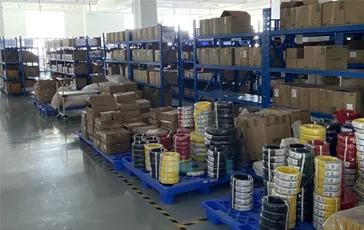
Our production floor is designed for high efficiency and consistent product quality. The factory team will deliver you quality-guaranteed orders.
All inverters are packed in robust, export-grade materials with custom shock protection to ensure safe arrival in regional distribution centers.
 |
   |
Wemaxpower solutions are deployed in various environments, from standard office towers to challenging transport corridors.
NYC subway networks rely on stable 110VDC and 125VDC battery banks to maintain control signals. Our specialized pure sine wave inverters convert this DC backup energy to 220VAC to power rail monitoring and safety relays in transit yards.
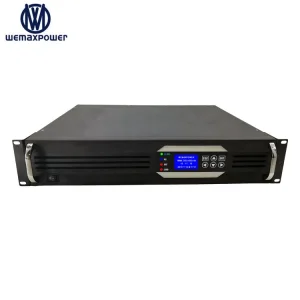
Inside large downtown carrier hotels, space is highly optimized. Wemaxpower rackmount inverters (up to 6KVA) provide secondary power to customer cabinets, running cleanly within standard 19-inch, 2U configurations.
External 5G small cells and municipal communication masts utilize 48VDC battery plants. Our efficient inverters convert this energy to standard AC power, maintaining clean operation across varying outdoor temperatures.
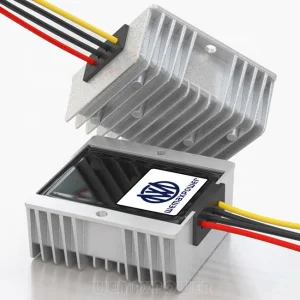
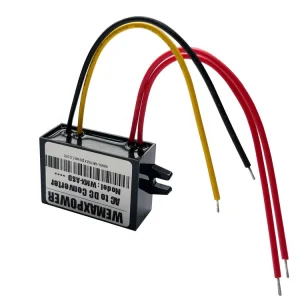
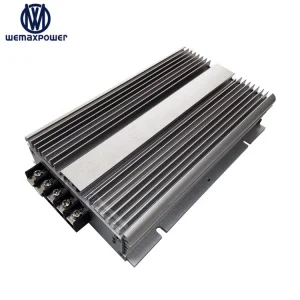
Explore our main industrial inventory of telecom inverters, waterproof converters, and mobile battery modules available for shipment to New York commercial sites.
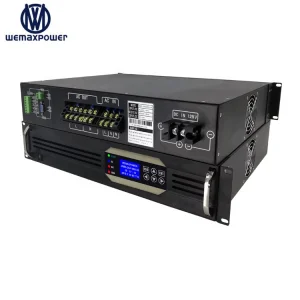
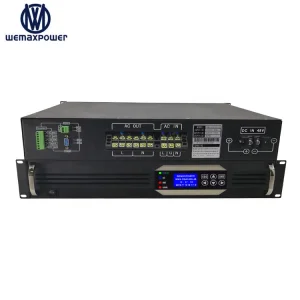
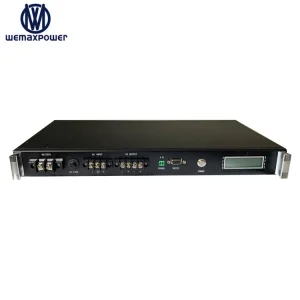
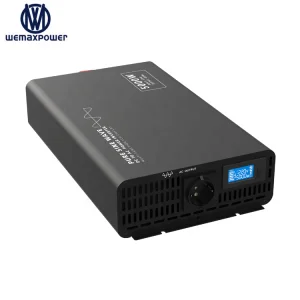
Technical answers to help engineering contractors, system integrators, and infrastructure procurement managers size their power systems.
Utility substations and railway transit grids (such as the MTA signal system) use higher voltage battery plants (110VDC or 125VDC) to reduce line losses over long cable runs. Using high-input DC-to-AC inverters eliminates the step-down phase, allowing direct energy conversion from backup battery banks to standard 220VAC/230VAC distribution circuits.
Pure Sine Wave inverters produce a smooth, continuous waveform identical to utility power. This is critical for sensitive telecommunications equipment, radios, and servers. Modified sine wave systems generate harmonic noise that can cause signal distortion, increase operating temperatures, and potentially shorten the lifespan of inductive loads.
The STS monitors primary AC utility and backup inverter paths. If the primary utility line fails, the switch transfers critical loads to the inverter output in under 4 milliseconds. This rapid transition keeps connected servers and communications hardware running without rebooting.
Yes. Our inverters feature adjustable DC cutoff profiles and high-speed protection circuitry. This compatibility ensures stable performance when paired with modern Lithium Iron Phosphate (LiFePO4) battery racks or traditional lead-acid (VRLA) configurations.
Our 1U and 2U rackmount models feature internal, speed-controlled cooling fans that draw air front-to-back. This design aligns with standard cold/hot aisle layouts in server rooms, helping maintain safe operating temperatures within crowded enclosures.
Get in touch with our engineering team for technical evaluations, custom voltage configurations, and volume pricing estimates for municipal or enterprise projects.
 Wemax Power