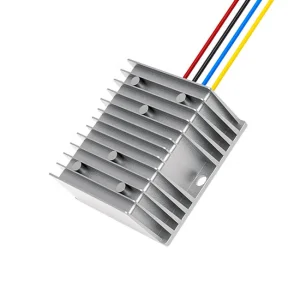
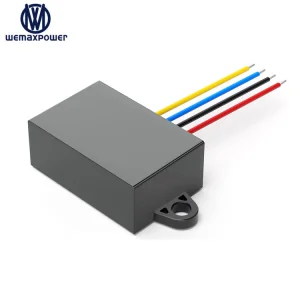
Premium high-efficiency hardware configured for continuous commercial operations, telecom cabinets, and advanced test labs.
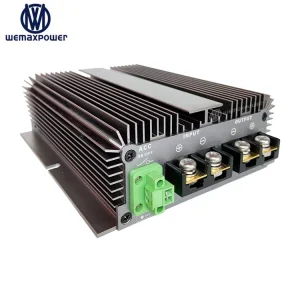
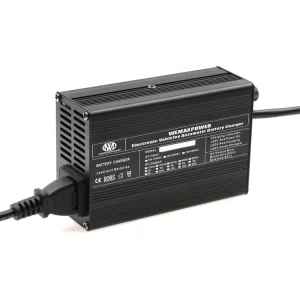
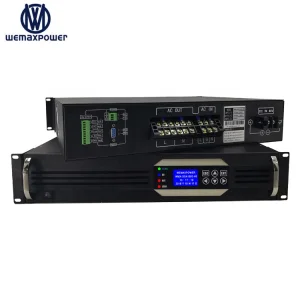
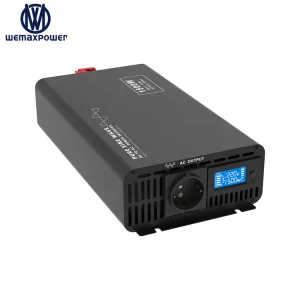
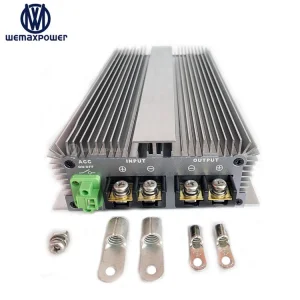
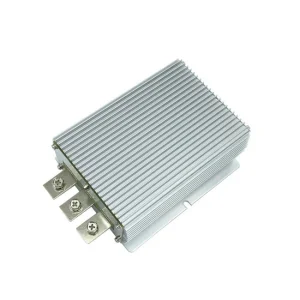
In the modern, highly digitized industrial landscape, electrical power quality and supply resilience are paramount. Global logistics, heavy factories, utility grids, and telecommunication networks now demand advanced battery backup systems that go beyond traditional UPS designs. As industries shift to high-rate lithium iron phosphate (LiFePO4) chemistries, the need for precise DC-to-DC regulation, isolated power inversion, and high-frequency conversion technologies has surged exponentially.
The global transition toward decentralized power grids and grid-edge stability has fundamentally altered procurement dynamics. Heavy manufacturing facilities, grid operators, and containerized data centers are replacing legacy lead-acid batteries with high-energy-density LiFePO4 chemistry. This change presents significant integration challenges. LiFePO4 cells require complex charging algorithms, strict overvoltage protections, and precise thermal control.
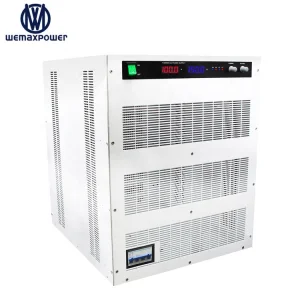
Additionally, the demand for Variable DC Power Supplies in laboratory and validation environments has escalated. System engineers require variable high-power DC test inputs (ranging up to 1000V) to simulate real-world battery discharge profiles, electric vehicle powertrains, and PV array behavior. The convergence of wide bandgap semiconductors (such as GaN and SiC) has enabled manufacturing centers to produce power convertors and chargers with power densities that were impossible a decade ago.
Enterprise-level procurement teams recognize that the total cost of ownership (TCO) of energy conversion hardware is dictated by reliability, operating efficiency, and thermal performance. Key procurement parameters include:
The Southern China electronics cluster—anchored in Shenzhen—is the global epicenter of power electronics manufacturing. Shenzhen Wemaxpower Technology Co., Ltd. leverages this localized density to secure raw magnetic components, specialized power semiconductors, and advanced thermal extrusion profiles with unmatched agility. This geographic advantage translates into direct engineering customization paths, accelerated prototype turnaround times, and robust supply chain resilience.
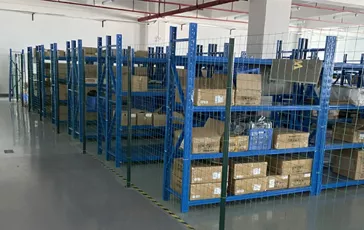
To meet the stringent standards of global industrial importers, Wemaxpower implements a rigorous 4-step Quality Control (QC) process designed to virtually eliminate infant mortality rates of active electronics in the field:
Strict incoming inspection (IQC) of all components, testing magnetic cores, capacitors, and active transistors against nominal operational limits before dispatching to the SMT assembly lines.
Evaluating printed circuit board assembly (PCBA) behaviors post-soldering, conducting automated optical inspections (AOI) and custom electrical test points to ensure zero trace defects.
Subjecting completed units to full operational envelope testing, measuring precision voltage control, transient response times, switching ripple, and dynamic thermal loads.
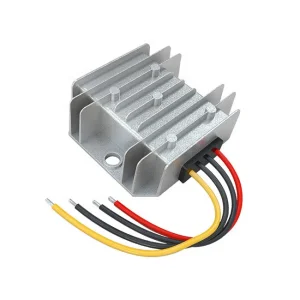
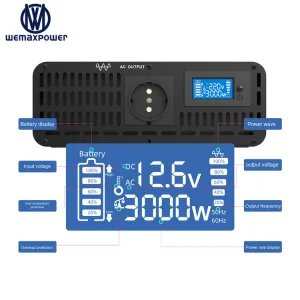
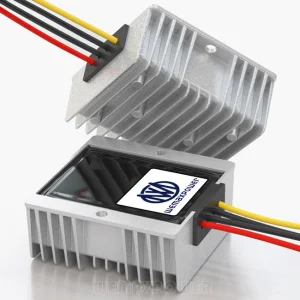
Industrial installations are rarely placed in environmentally climate-controlled clean rooms. They operate in remote telecom cabinets subjected to solar radiation, off-grid RV conversions vibrating over desert dirt roads, and marine vessels exposed to salt fog. A robust battery backup system must incorporate advanced thermal dissipation profiles. High-power-density 2U pure sine wave inverters must utilize variable-speed forced-air cooling, while compact DC-DC buck/boost converters require potting with thermal conductive silicones to facilitate passive cooling and prevent water ingress.
Shenzhen Wemaxpower Technology Co., Ltd. is an established industrial manufacturer with over 7 years of domain expertise in developing top-tier energy storage systems, programmable power components, and custom power integration architectures.
Key Highlights:
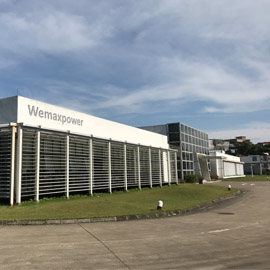
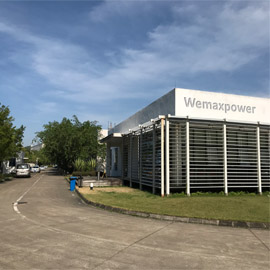
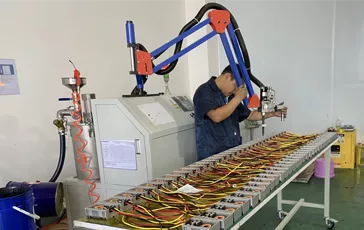
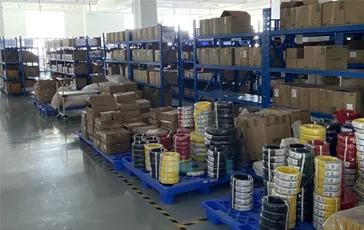
Below is the verified operational process and quality inspection cycle executed daily by the Wemaxpower engineering team:

|
|
|
|
The factory team will deliver you quality-guaranteed orders.
In-depth engineering insights addressing the complex configuration queries of industrial procurement specialists and system designers.
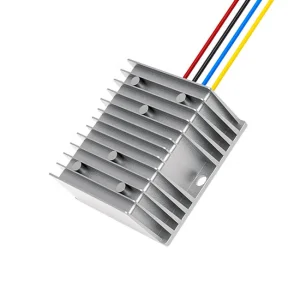
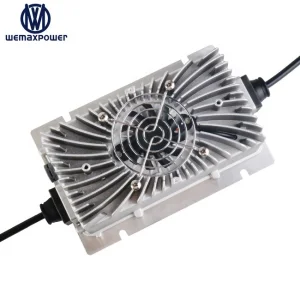
Complete your deployment specifications with our secondary tier of isolated regulators, high-voltage modules, and vehicle smart chargers.
 Wemax Power