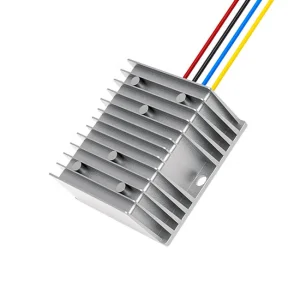
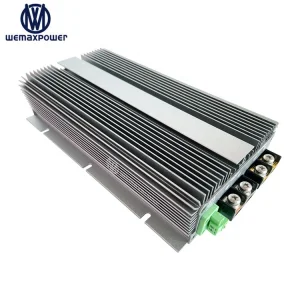
Advanced high-efficiency modules, step-up/down battery chargers, and isolated DC-DC regulators.
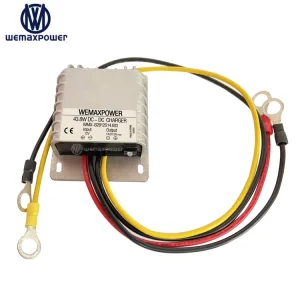
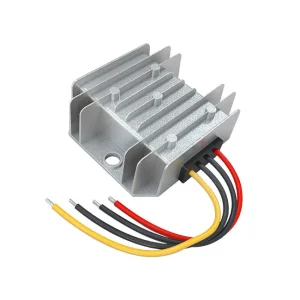
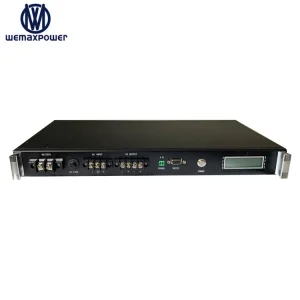
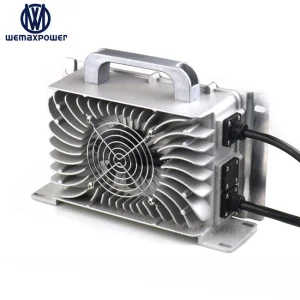
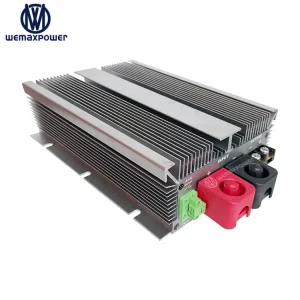
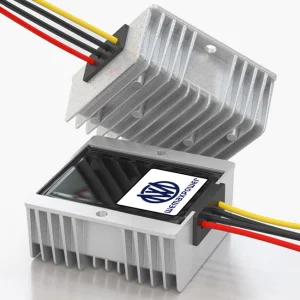
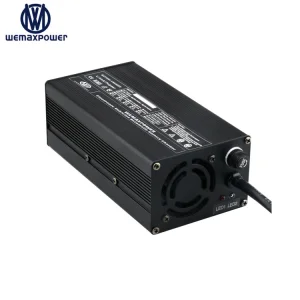
In the rapidly evolving landscape of global industrial automation, electric mobility, and clean energy storage, the requirement for highly efficient and robust power conversion systems has never been more critical. Shenzhen Wemaxpower Technology Co., Ltd. is a manufacturer with 7 years of deep specialized engineering and production history in this domain.
Our core mission revolves around addressing critical power density, heat dissipation, and input-output isolation challenges faced by modern hardware systems. By integrating advanced semiconductor typologies with sophisticated digital control mechanisms, we supply globally recognized components that meet rigorous testing benchmarks.
"The factory team will deliver you quality-guaranteed orders. From raw silicon validation to high-stress burn-in cycles, our manufacturing methodologies prioritize long-term component reliability under extreme operational profiles."
Wemaxpower's product portfolio is meticulously cataloged into key technical segments: high-performance programmable DC power supplies, highly isolated DC-DC converters, dynamic step-up/step-down regulators, pure sine wave power inverters, and intelligent battery charging modules compatible with advanced lithium iron phosphate (LiFePO4), Li-ion, and traditional lead-acid chemistries.
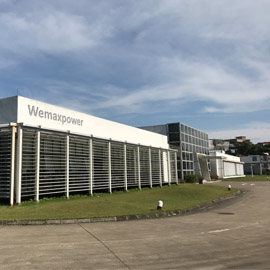
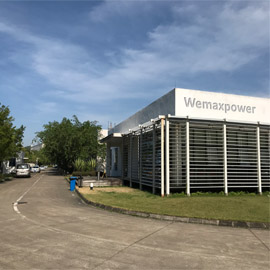
Consistent, measurable engineering parameters that demonstrate our manufacturing authority.
A rigorous 4-step quality assurance framework executing real-time verification of critical tolerances.
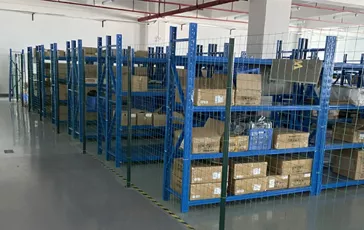
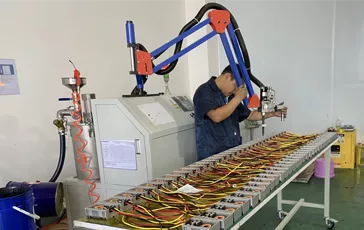
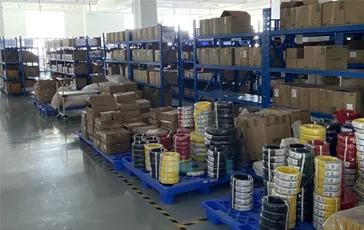
Industrial power systems demand extreme reliability to prevent costly downtime. Wemaxpower maintains strict manufacturing protocols in Shenzhen, utilizing automated component placement, advanced wave soldering systems, and computer-guided automated optical inspection (AOI) to eliminate structural errors.
Validation of magnetic cores, MOSFETs, and high-temp electrolytic capacitors under parameter-specific incoming inspections.
In-process PCB testing, validating trace continuity, optical component placement accuracy, and transformer winding impedance.
Parametric evaluation checking voltage regulation accuracy, output ripple levels, transient load behavior, and thermal profiles.
Subjecting all units to maximum load conditions at high operating ambient temperatures to weed out infant mortality rates.

Tailoring rugged conversion power topologies to demanding real-world operating environments.
Recreational Vehicles (RVs) and Electric Vehicles (EVs) operate under a wide range of input voltages. Auxiliary battery systems require precise DC-DC step-up/step-down charging profiles to transition power safely between starter alternators and LiFePO4 auxiliary battery banks. Features like Low-Voltage Protection (LVP) prevent primary battery depletion.
Telecom switches and cellular repeaters operate continuously, demanding high-density, pure sine wave power inverters to convert standard 12VDC, 24VDC, or 48VDC battery banks to clean 120VAC or 220VAC power. WEMAXPOWER's inverters feature tight voltage regulation and electromagnetic shielding to prevent signal degradation.
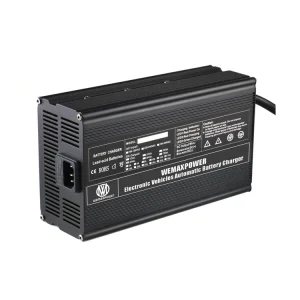
Commercial e-rickshaws, municipal light electric cargo vans, and commuter e-scooters require robust, high-current chargers. These must withstand constant vibration and fluctuating grid voltages. Our intelligent multi-stage chargers support lead-acid, gel, and Li-ion chemistries, preventing thermal runaway and maximizing battery life.
Our commitment to wide bandgap semiconductor integration and digital loop topologies.
To meet the demand for higher power densities and reduced footprints, Wemaxpower is transitioning its primary architectures toward wide bandgap (WBG) materials. Silicon Carbide (SiC) and Gallium Nitride (GaN) power switches enable higher switching frequencies, reducing the size of passive magnetic components.
By integrating SiC diodes and MOSFETs into our high-power isolated converters and industrial battery chargers, we minimize switching losses. This allows systems to run cooler, increases total efficiency to 98%, and reduces the size of aluminum heatsinks.
Standard analog control loops are being replaced by high-speed digital signal processors (DSPs). This enables software-defined parameter tuning, programmable output charging curves, and real-time remote monitoring via CAN bus, RS485, or PMBus communication interfaces.
For flat, low-profile DC-DC converters, we use multi-layer PCB planar transformers. Planar magnetics improve thermal dissipation, provide consistent leakage inductance, and lower electromagnetic interference (EMI) compared to traditional wire-wound components.
A comprehensive guide to critical design metrics and regulatory standards for system engineers.
When procuring integrated power conversion systems, specifying voltage, current, and wattage is only the baseline. International procurement managers and design engineers must evaluate deeper parameters to ensure long-term reliability.
Exporting to global markets like North America and the European Union requires compliance with safety and environmental directives. Wemaxpower products are designed to meet:
Technical insights and integration details from our engineering and support teams.
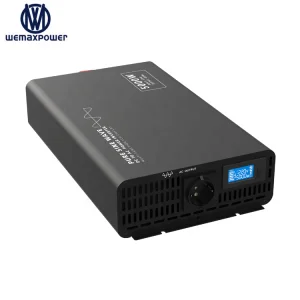
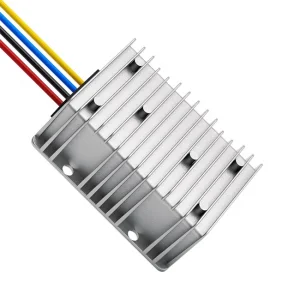
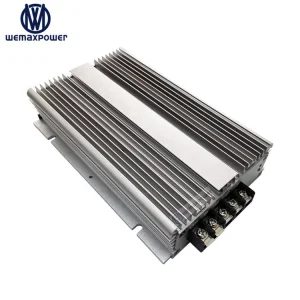
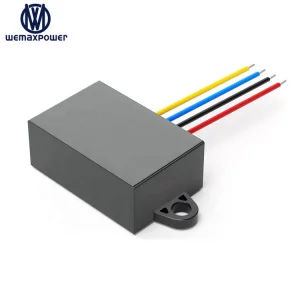
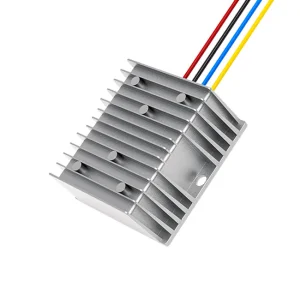
Heavy-duty pure sine wave power inverters, high-power DC-DC buck-boost converters, and automotive power modules.
 Wemax Power