Explore our primary selection of industrial-grade switching power supplies, isolated converters, and active PFC backup system modules.
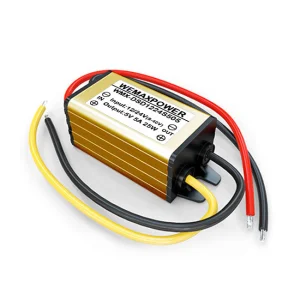
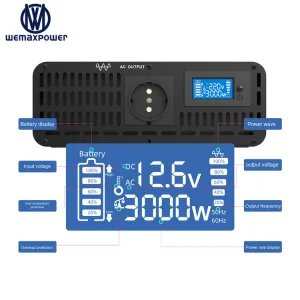
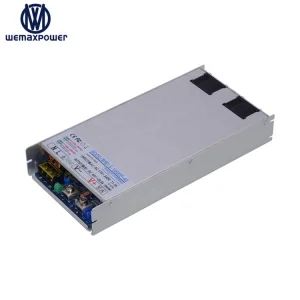
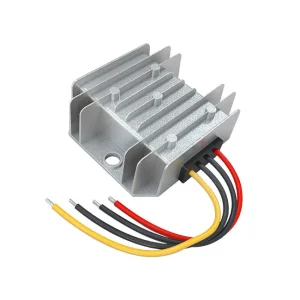
The global energy landscape is undergoing a monumental transition. Decentralized energy generation, combined with aging electrical grid infrastructures and the increasing frequency of extreme weather events, has elevated the critical importance of Commercial and Industrial (C&I) backup power systems. Organizations can no longer rely solely on basic utility grid feeds to maintain uninterrupted operation. In sectors such as telecommunications, medical services, data processing, and automated manufacturing, even a sub-second drop in voltage can result in catastrophic data corruption, system shutdowns, and substantial financial losses.
Historically, backup power was synonymous with high-capacity diesel generators. While internal combustion engines remain a fixture for long-duration outages, the modern C&I framework demands localized, fast-response, and zero-emission energy storage systems (ESS) combined with highly efficient power conversion topologies. Power conversion components—specifically AC-DC active Power Factor Correction (PFC) modules, isolated DC-DC converters, and pure sine wave inverters—form the absolute nervous system of these backup structures. They ensure that power transferred from energy storage reserves matches the precise input profiles required by sensitive computational and operational equipment.
Furthermore, global decarbonization mandates are pushing C&I operators to transition from lead-acid batteries to lithium iron phosphate (LiFePO4) chemistry. This migration necessitates highly specialized battery charging profiles and intelligent DC-DC regulation to manage the distinct thermal and electrical operating envelopes of lithium-ion systems. Consequently, specifying a reliable backup power systems supplier is no longer just a purchasing decision; it is a fundamental pillar of corporate risk management and operational continuity.
Backup power architecture varies widely based on geographic conditions and operational constraints. Industrial environments require systems tailored to their specific localized challenges. Below are the primary vertical domains where Wemaxpower conversion systems are integrated:
Marine vessel systems, offshore oil platforms, and coastal monitoring installations are exposed to salt spray, extreme humidity, and high mechanical vibrations. In these localized environments, standard power systems fail prematurely due to galvanic corrosion and moisture ingress. Our IP67-rated converters, such as the Waterproof Ship Boat Use 12vdc 14.6v 14.7v 12.6v 16.8v Intelligent Smart 12v 40 Amp Battery Charger, are designed with fully encapsulated, thermally conductive epoxy resin structures. This ensures that internal switching components are completely isolated from external corrosive factors, sustaining continuous power delivery to critical navigation, safety beacon, and emergency communication systems.
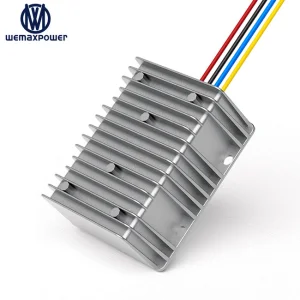
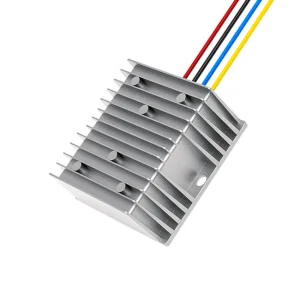
Telecommunication base stations are frequently situated in remote geographic locations subject to unstable power grids. These stations rely on solar-battery hybrid backup systems. Fluctuating inputs from solar strings (ranging from 36V to 48V DC) must be efficiently stepped down or regulated to run standard telecom equipment. The integration of the Waterproof 36vdc 48vdc Buck 5vdc 24amp Isolation Module Step Down Dc Voltage Regulator allows base station engineers to run low-voltage digital signal processors (DSPs) and telemetry systems directly from high-capacity backup batteries without the risk of common-mode noise or voltage surges, thanks to the module's 1500V galvanic isolation barrier.
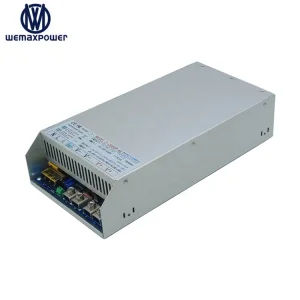
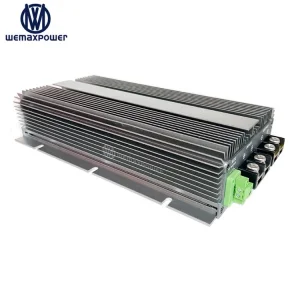
Inside heavy industrial manufacturing facilities, large inductive loads (motors, actuators, and compressors) cycle on and off, generating substantial voltage sags and line harmonics. Under these conditions, control panels housing Programmable Logic Controllers (PLCs) and HMI panels require regulated control power. Standard AC-DC power supplies can suffer from overheating or high harmonic distortion under dirty utility feeds. By utilizing the High Efficiency 2000W 24vdc AC to DC Switching Industrial 2KW Active 24v PFC Power Supply, plants benefit from active power factor correction (PFC > 0.99), which stabilizes internal power rails and minimizes harmonic pollution back to the factory grid, protecting microprocessors from intermittent lockups.
The power supply industry is currently undergoing a structural shift driven by material science breakthroughs and digital control capabilities. The roadmap below outlines the transition from legacy analog technologies to next-generation digital topologies:
| Technology Parameter | Legacy Topologies | Current State (Wemaxpower Standard) | Future Horizon (Next 3-5 Years) |
|---|---|---|---|
| Semiconductor Base | Silicon (Si) MOSFETs & BJTs | Superjunction Si / Early Silicon Carbide (SiC) | Wide-Bandgap Gallium Nitride (GaN) & SiC |
| Switching Frequency | 20 kHz - 50 kHz | 65 kHz - 150 kHz | 300 kHz - 1 MHz |
| Power Density | Low (Heavy transformers, large sinks) | Medium-High (Compact active cooling designs) | Ultra-High (Flat planar magnetic integration) |
| Control Topology | Analog PWM Control ICs | Hybrid Analog-Digital Control loops | Fully Digital DSP / Microcontroller-driven LLC |
| Efficiency Benchmark | 75% - 83% | 90% - 94% (Active PFC) | 96% - 98.5% (Titanium Plus Equivalent) |
By shifting to wide-bandgap (WBG) materials like GaN and SiC, future power modules will realize significantly lower switching losses, enabling even smaller form factors and higher thermal stability. This allows engineers to build highly redundant, modular N+1 backup systems in standard server racks, maximizing space efficiency in data centers and telecom enclosures.
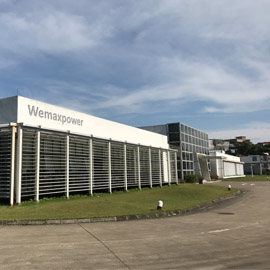
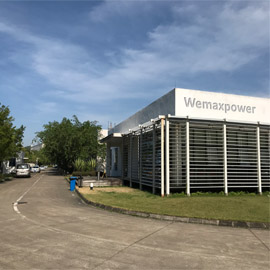
Shenzhen, China, stands as the global epicenter for power electronics engineering and supply chain integration. Shenzhen Wemaxpower Technology Co., Ltd. leverages this localized geographic cluster to deliver rapid prototyping, component sourcing agility, and cost-efficient manufacturing cycles that cannot be replicated elsewhere. With over 7 years of specialized manufacturing experience, our facility bridges the gap between raw material processing and advanced system validation.
Our industrial advantage is anchored in our comprehensive 4-Step Quality Control (QC) Process, designed to guarantee zero-defect shipments for critical backup power operations:
This systematic verification process minimizes Field Failure Rates (FFR), giving international buyers the confidence that every unit received is ready for prolonged service in missions where downtime is not an option.
Deploying energy systems globally requires compliance with regional safety, electromagnetic compatibility (EMC), and environmental regulations. A backup power supply that fails to meet local compliance guidelines can subject operators to heavy legal liabilities and operational shutdowns.
At Wemaxpower, our design engineering teams cross-reference international standards during the initial design phase:
In addition to regulatory compliance, Wemaxpower offers technical support, including hardware customization (input/output voltage adjustment, custom cable termination, and communication protocols such as RS485 or CAN bus integration) to match the distinct localized needs of our global distribution partners and industrial system integrators.
Heavy-duty power management modules engineered for marine, automotive, and industrial infrastructure installations.
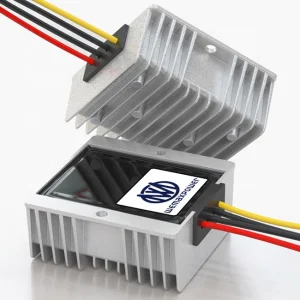
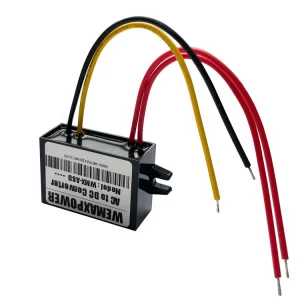
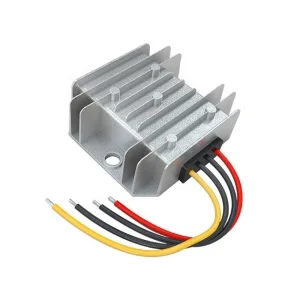
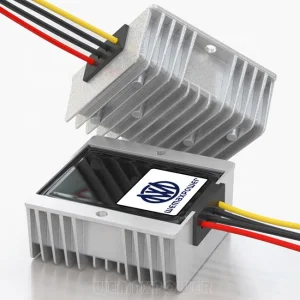
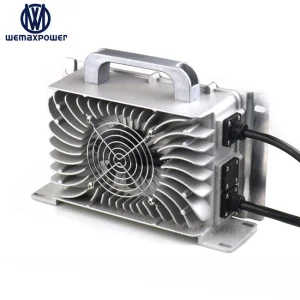
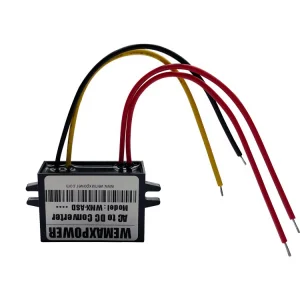
Shenzhen Wemaxpower Technology Co., Ltd. operates with a modern factory framework designed to process high-volume OEM orders and custom configurations with efficiency. Our factory team ensures all systems, from programmable DC power supplies to highly specialized DC-DC converters, align with target performance tolerances.
Below are official manufacturing process records highlighting our raw assembly line output and physical unit quality checks:

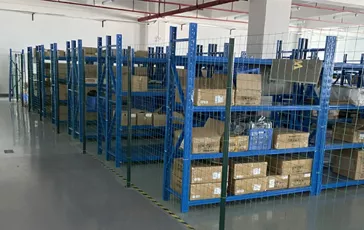
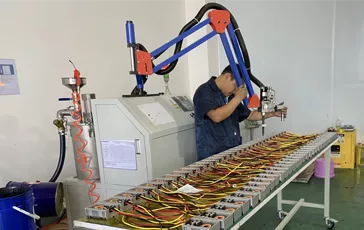
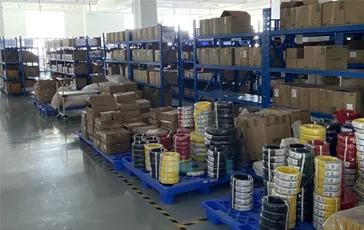
This dynamic infrastructure capacity allows Wemaxpower to maintain quick turnaround cycles, catering to sudden commercial demand spikes and long-term project planning alike.
In-depth technical answers addressing core design integration and procurement specifications for backup power conversion.
Isolated converters (such as our Waterproof 36V/48V Buck 5V 24A Isolation Module) utilize an internal high-frequency transformer to physically and electrically separate the input circuit from the output circuit. This eliminates ground loop currents, provides noise isolation, and protects sensitive low-voltage loads (e.g., microcontrollers, PLCs) from high-voltage transients on the primary battery bank. Non-isolated converters share a common ground pathway. While they are highly efficient and compact, they do not offer safety barrier separation or common-mode noise suppression.
Active PFC shapes the input current wave of the power supply to match the sinusoidal utility voltage waveform, maintaining a power factor of up to 0.99. Without active PFC, non-linear switching power supplies draw current in short, high-amplitude spikes, resulting in a low power factor (typically 0.55 to 0.65). This introduces high harmonic distortion (THD) into the local facility grid, causing excessive cable heating, circuit breaker tripping, and transformer losses. Using systems like the 2000W 24vdc AC to DC Active PFC Power Supply ensures compliance with EN61000-3-2 standards and improves overall facility power usage efficiency.
Our IP67 units are encapsulated in a high-grade, thermally conductive silicone-based or epoxy compound. This compound serves two purposes: it creates an airtight barrier against moisture ingress and acts as an efficient conduit to transfer heat away from high-temperature switching components (MOSFETs, inductors) directly to the aluminum chassis/heatsink. This structural design prevents hotspot localization, enhancing the Mean Time Between Failures (MTBF) even when operating in sealed enclosures without active fan ventilation.
Yes. Different lithium chemistries require precise charge termination profiles to prevent overcharging and thermal runaway. For example, LiFePO4 cells typically require a constant current, constant voltage (CC/CV) charge curve terminating at 3.65V per cell (e.g., 29.2V for an 8S battery configuration, supported by our 12v/24v to Lifepo4 29.2v 15A charger). Lithium-ion (NMC) configurations typically require 4.2V per cell. During OEM manufacturing, our engineers program the microcontrollers inside our smart chargers to match the exact cell specifications, charge currents, and temperature cutoff points requested by the customer.
 Wemax Power