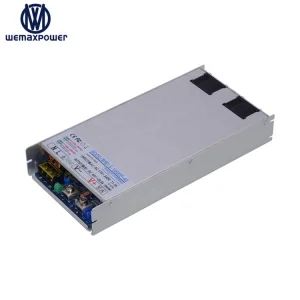
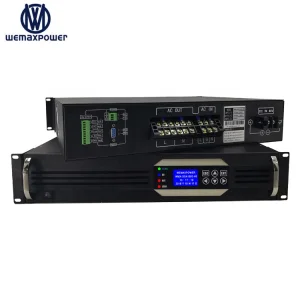
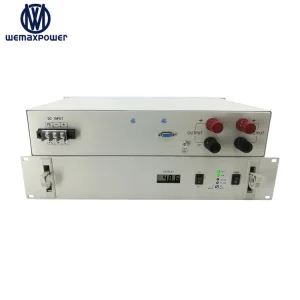
High-performance industrial power conversion systems, battery chargers, and DC-DC stabilizers engineered for resilience and strict electrical standards.
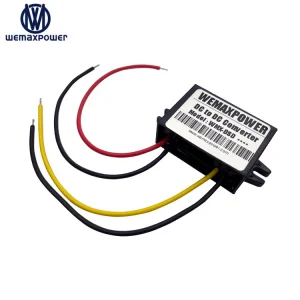
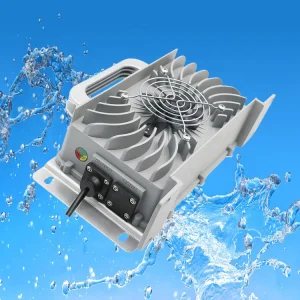
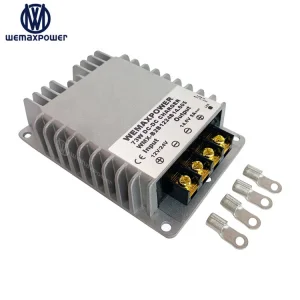
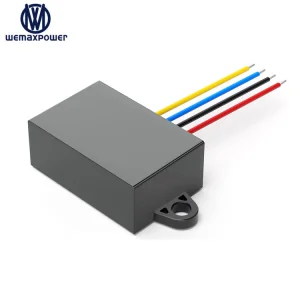
In today's decentralized energy landscapes, the demand for highly resilient, efficient, and clean portable power systems has escalated. Global industries are moving away from noisy, high-emission diesel generators toward battery energy storage systems (BESS) powered by advanced portable pure sine wave inverters.
Portable inverters serve as the vital technical bridge that translates direct current (DC) harvested from storage solutions, vehicle alternators, or photovoltaic setups into clean, stable alternating current (AC). They are crucial for operating diagnostic tools, telecommunications terminals, high-precision construction gear, and emergency medical machinery where power fluctuations can cause critical hardware failures.
Established with a bedrock of engineering excellence, Shenzhen Wemaxpower Technology Co., Ltd. has spent over 7 years at the forefront of the power electronics manufacturing industry. Our comprehensive product portfolio features industrial programmable DC power supplies, step-up/step-down DC-DC converters, and highly reliable power modules designed for mission-critical deployments globally.
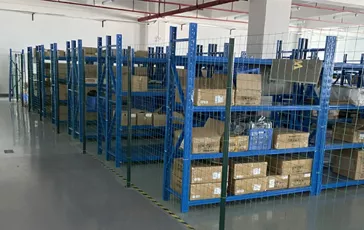
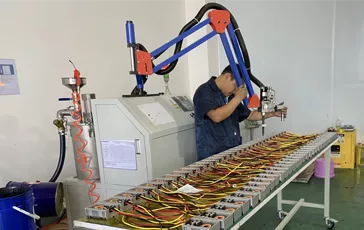
Operating from the center of Shenzhen's hardware innovation corridor, our factory blends agile manufacturing configurations with sophisticated testing infrastructures. Our products conform to stringent international standards, rendering us the trusted vendor for system integrators, automotive builders, telecommunication engineers, and marine developers.
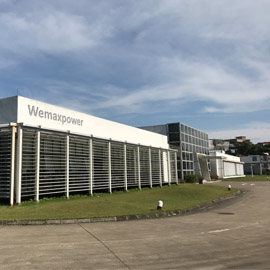
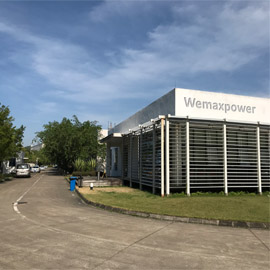

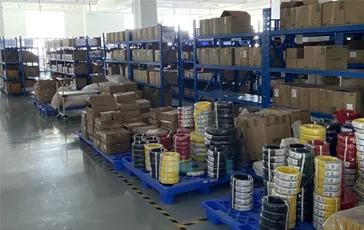
The Shenzhen electronic ecosystem enables manufacturers to run highly dynamic, efficient pipelines that lower overhead without sacrificing product consistency. With complete supply chain synchronization, components—from semiconductor microchips to heavy magnetic copper coils—are sourced instantly, reducing prototyping cycles down to days.
Our factory team at Shenzhen Wemaxpower Technology is dedicated to delivering quality-guaranteed orders. Operating with modern manufacturing techniques, we subject every power inverter and converter unit to thermal chamber cycling and real-time load testing. This structured approach helps ensure that all systems running on our units operate continuously under complex field conditions.
How specific commercial sectors utilize industrial-grade inverters and converters for operational continuity.
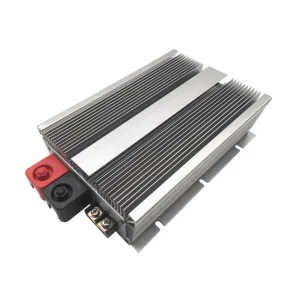
Fleet conversions—ranging from municipal transit buses to remote response vehicles—require reliable step-down or step-up conversion. Standardizing 48Vdc down to 13.8Vdc or 24Vdc provides stable power for precision audio, satellite communication gear, radar sensors, and digital displays.
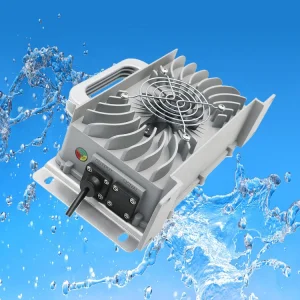
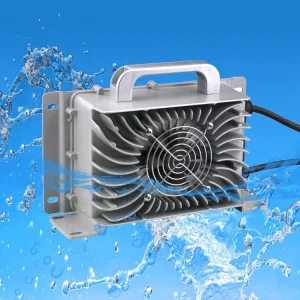
Humid marine microclimates demand IP68-rated waterproof battery chargers. Constant-current boost chargers help keep vessel propulsion systems, safety instruments, and lithium-ion (LiFePO4) storage banks charged under fluctuating engine alternations.
Server enclosures and industrial control cabinets require clean input power free of grid spikes. Rack-mountable DC-to-DC converters smoothly bridge power lines (like 110Vdc to 48Vdc), protecting downstream programmable logic controllers (PLCs).
Emerging technologies and engineering standards projected to dominate the sector from 2025 to 2030.
Gallium Nitride (GaN) and Silicon Carbide (SiC) switches are replacing silicon MOSFETs in modern portable inverters. Due to their ability to toggle at higher frequencies with lower switching losses, they allow engineers to design lighter, more compact heat-sinks, increasing overall power density.
Modern buyers require real-time tracking of electrical metrics. Integrating digital signal processors (DSPs) with CAN bus or RS485 communication protocols lets operators monitor input voltage, output parameters, thermal conditions, and overload status remotely.
Unified circuits that combine a pure sine wave inverter and a smart battery charger into one device reduce space requirements. Inverter-chargers can switch seamlessly between grid power and battery backup, minimizing component count and system complexity.
A comparative baseline designed to assist purchasing directors and supply chain managers in evaluating technical criteria.
| Equipment Category | Primary Utility Parameters | Compliance Credentials | Key Quality Indicators |
|---|---|---|---|
| Industrial Pure Sine Wave Inverters | 125Vdc to 220Vac (50Hz), 2KVA / 1600W Output | CE, RoHS, FCC Class B | Low THD (< 3%), fast dynamic response, smart cooling |
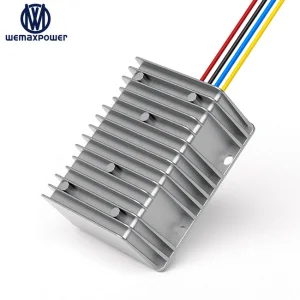
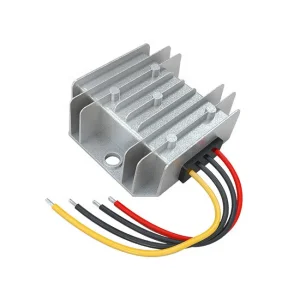
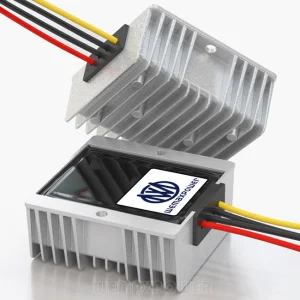
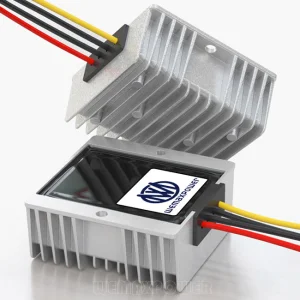
| Isolated DC-DC Buck & Boost Converters | Wide Range Input (9V-36V) to Constant 12V/24V | CE, IP68 Waterproof rated | Galvanic isolation, Overcurrent Protection (OCP), Overvoltage Protection (OVP) |
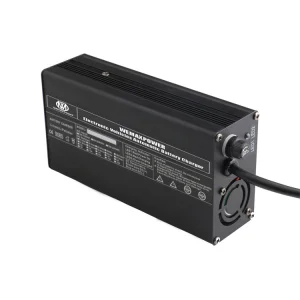
| Intelligent LiFePO4 Battery Chargers | Multi-stage charging curves (Constant Current/Voltage) | UL, CE, GS, PSE | Aluminum alloy housing, short-circuit protection, high thermal headroom |
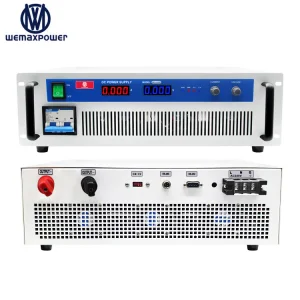
| Adjustable Laboratory DC Power Supplies | 3-phase 380Vac input, up to 250Vdc / 40A adjustable | TÜV, CE, ISO9001 | Low ripple and noise, high regulation accuracy, programmable remote interface |
Explore our specialized line of waterproof automotive converters, rugged marine chargers, and robust buck-boost regulators.
Technical answers to common engineering and sourcing questions regarding inverters, converters, and battery chargers.
 Wemax Power