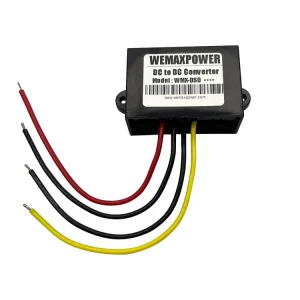
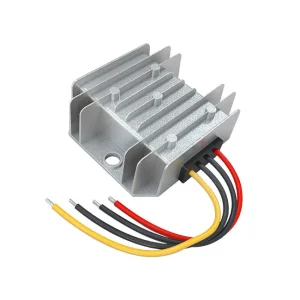
Explore our premium product series engineered for rugged reliability, high efficiency, and maximum uptime in critical marine, automotive, and industrial applications.
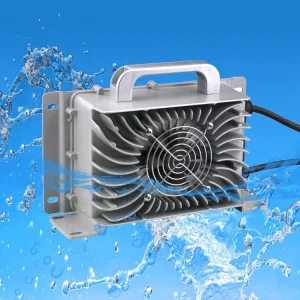
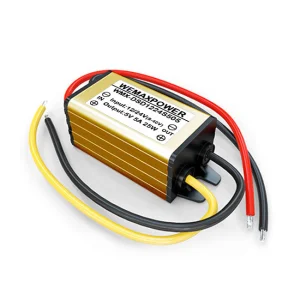
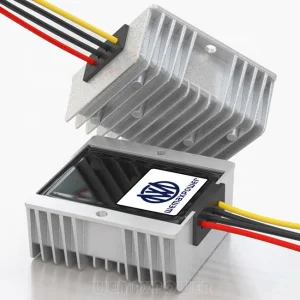
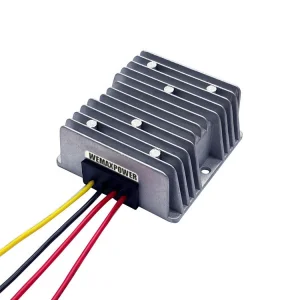
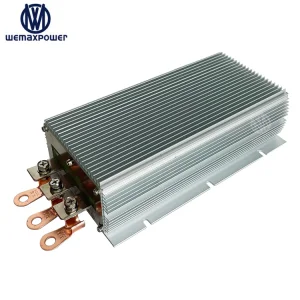
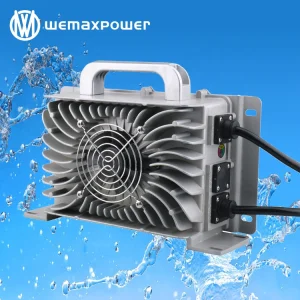
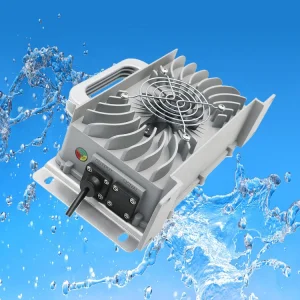
An Industrial Guide to Selecting High-Performance Microinverter Solutions & Integrated Power Conversion Subsystems
The global solar energy paradigm is transitioning rapidly from centralized utility distribution to highly modular, decentralized micro-grid infrastructures. At the heart of this revolution is the micro inverter—a device designed to perform localized Maximum Power Point Tracking (MPPT) directly at the individual solar panel level. Unlike traditional string inverters that suffer from system-wide efficiency drops due to partial shading or module mismatch, microinverters optimize each panel independently, ensuring maximum energy harvest and zero single-point failure risks.
However, modern solar-plus-storage topologies require more than just a grid connection; they demand dynamic, bidirectional power conversion. To build a resilient energy ecosystem, system integrators must bridge the gap between DC source generation, local low-voltage battery banks (such as 12V, 24V, or 48V LiFePO4 batteries), and stabilized DC-DC distribution buses. This is where Shenzhen Wemaxpower Technology Co., Ltd. plays a vital role, providing engineered power subsystems that support and complement the performance of microinverter architectures.
As the epicenter of global electronics production, China provides unmatched advantages in microinverter and power supply manufacturing. Deeply integrated supply chains in the Guangdong-Hong Kong-Macao Greater Bay Area allow companies like Wemaxpower to sourcing premium semiconductor components, specialized magnetic inductors, and thermal dissipation coatings at high speeds and lower costs. These advantages translate directly to faster R&D iterations, rigorous multi-stage QC protocols, and competitive OEM configurations tailored to commercial projects.
| System Architecture | Efficiency Profile | Safety Rating | Scalability & Maintenance |
|---|---|---|---|
| Microinverter (Module-Level) | Maximum energy yield per panel; unaffected by mismatched modules. | Low-voltage DC inputs (typically <60V); greatly reduces residential fire risks. | Extremely scalable; plug-and-play installation; individual panel diagnostics. |
| String Inverter (System-Level) | High energy yield under ideal conditions; bottlenecked by shaded panels. | High DC voltage lines (up to 1000V+); high risk of DC arcing. | Complex expansion; full system debugging required for failures. |
Leveraging state-of-the-art power electronics engineering to deliver long-term reliability and extreme environmental tolerance.
Real-time calculation of optimal PV curve points, achieving over 99.5% dynamic tracking efficiency even in volatile meteorological conditions.
Precision-cast enclosures filled with premium thermal-conductive silicone potting, protecting internal electronics against sea spray, dust, and corrosive elements.
Seamless communication interface supporting MODBUS, RS485, and Wi-Fi networks to coordinate real-time power shifts between solar inputs, storage, and grid loads.
Your Trusted Global Partner in Industrial Power Engineering and Custom Supply Solutions
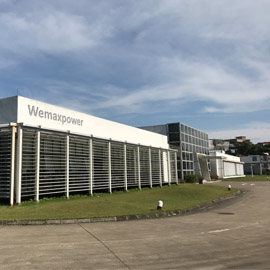
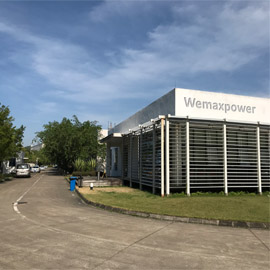
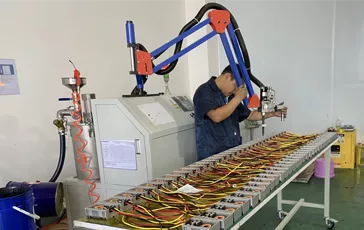
With 7 years of manufacturing excellence, Shenzhen Wemaxpower Technology Co., Ltd. has established itself as an innovative force in the power conversion industry. Our comprehensive product portfolio spans from programmable DC power supplies, DC-DC converters, to specialized power modules that satisfy a broad array of custom voltage-regulation needs.
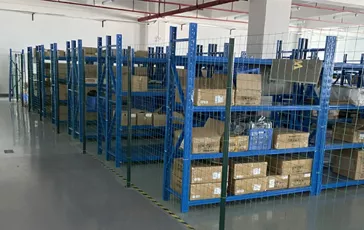
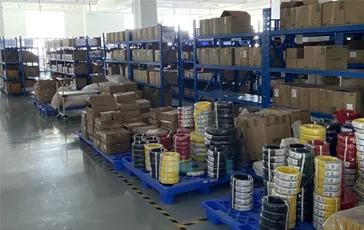
We pride ourselves on export-focused operations, shipping to multiple global markets across Europe, North America, and Southeast Asia. Central to our success is our rigorous 4-step Quality Control (QC) process designed to eliminate faults before delivery:
The factory team will deliver you quality-guaranteed orders. Whether you require customized bulk output levels, high waterproof ratings for marine applications, or specific certifications, our engineering team works with you to turn technical briefs into robust final hardware.

Ensuring cross-border interoperability and conformity to international safety norms.
Global grid integration is not one-size-fits-all. Every jurisdiction relies on strict grid connection parameters. While European markets follow the EN 50549 standard (requiring active islanding prevention and reactive power controls), North American grids enforce UL 1741 SA/SB compliance with IEEE 1547. For engineering buyers, sourcing a micro inverter without these credentials presents regulatory hurdles.
Wemaxpower addresses this by integrating key compliance measures into our power architecture. Our high-power buck-boost converters and isolated power units feature low electromagnetic noise profiles, making it easier for system builders to achieve final system compliance (CE, FCC, RoHS) for marine, vehicle-mounted, or utility-adjacent setups.
Industrial clients rarely buy purely off-the-shelf. Offshore marine vessels, telecom base stations, and electric utility vehicles require custom power converter properties. Wemaxpower offers customized configuration options: specialized voltage translation steps (such as 12/24V to 13.8V buck-boost converters), user-selectable charging algorithms for specialized lithium chemistries, and custom casing geometries designed to withstand harsh outdoor conditions.
Addressing the technical, regulatory, and mechanical questions raised by utility designers and procurement managers.
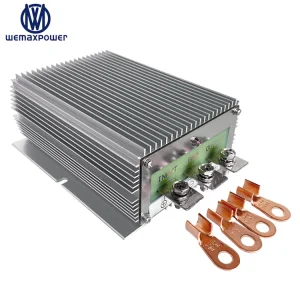
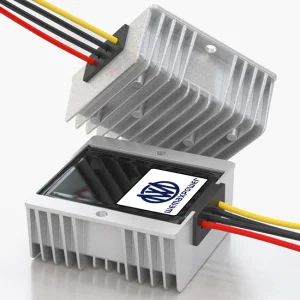
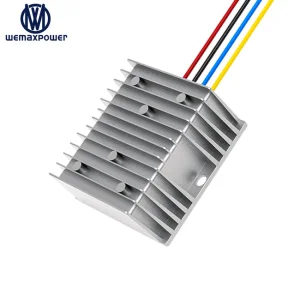
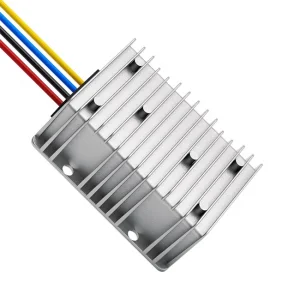
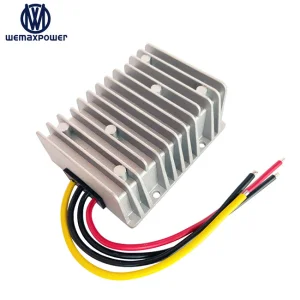
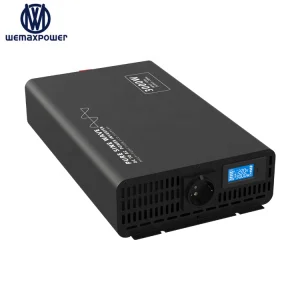
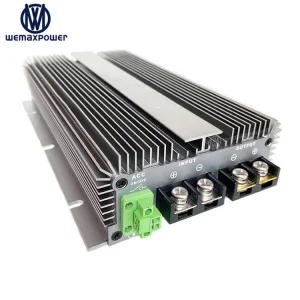
Premium DC-DC power products, heavy-duty inverters, and multi-stage power units optimized for stable system integration.
 Wemax Power