A B2B industrial perspective on the unique power infrastructure demands of Japan's most advanced economic zone.
The Tokyo Metropolitan Area is currently undergoing a rapid transformation, striving towards the Tokyo Metropolitan Government's (TMG) strict emissions goals under the "Zero Emission Tokyo" strategy. Across central shipping hubs like Tokyo Bay, automated warehouses in Kawasaki, and high-density retail corridors in Shibuya and Shinjuku, there is an escalating demand for reliable industrial electrification. At the core of this transition lies the need for highly efficient, premium-grade smart battery chargers capable of handling the continuous charging requirements of Automated Guided Vehicles (AGVs), electric forklifts, smart municipal utility vehicles, and electric micromobility fleets.
For B2B procurement managers, supply chain specialists, and system integrators operating within Tokyo, sourcing reliable charging technology is not just about keeping machines running; it is about safety, thermal efficiency, strict compliance with Japan's Electrical Appliance and Material Safety Law (PSE certification), and seamless integration with localized energy grids. Finding an established industrial supplier who understands both high-frequency switching topology and local regulatory frameworks is crucial to achieving optimal return on investment.
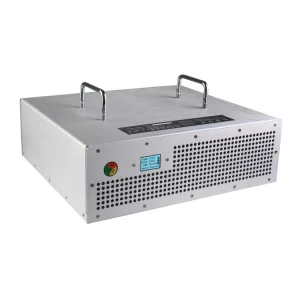
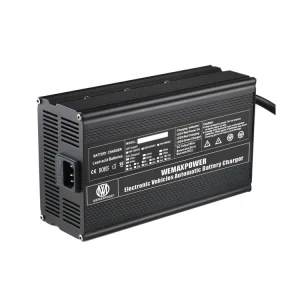
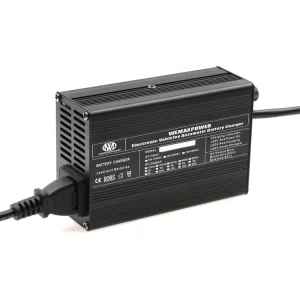
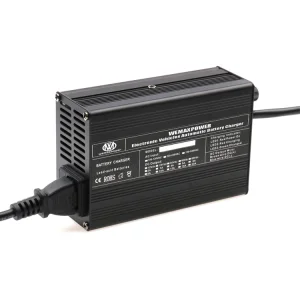
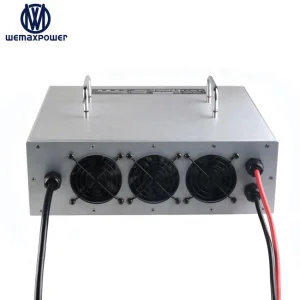
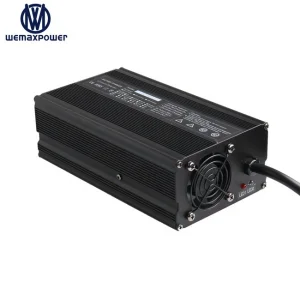
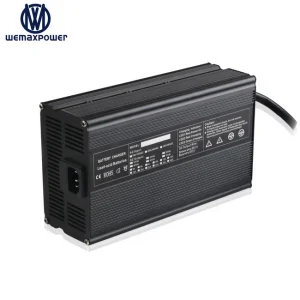
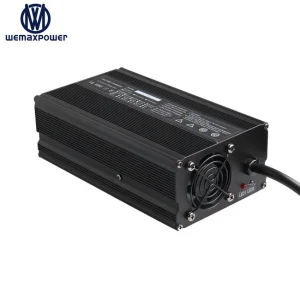
Optimized for Tokyo's high-efficiency smart warehouses, urban electric golf carts, and electric material handling equipment.
Targeted battery charging systems designed for Tokyo's unique commercial challenges.
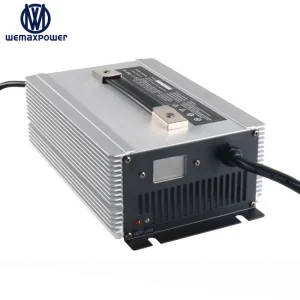
In the high-intensity logistics parks across the Tokyo Bay region, AGVs (Automated Guided Vehicles) and AMRs (Autonomous Mobile Robots) operate around the clock. Heavy duty down-time equates to immediate losses. By deploying our smart high-frequency chargers featuring CAN-bus communication and custom dynamic charging algorithms, logistics operators can execute quick opportunity charging. This minimizes battery downtime, limits heat generation, and dramatically extends the cycles of LiFePO4 traction batteries.
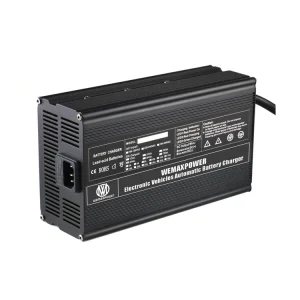
Tokyo's narrow streets and densely populated residential areas rely heavily on electric e-bikes, cargo three-wheelers, and electric scooters for mail and commercial deliveries. Our multi-chemistry intelligent battery chargers with 48V, 60V, and 72V specifications provide continuous 3-stage charging curves that protect valuable lithium cells from premature capacity degradation, ensuring delivery fleets operate smoothly regardless of sub-zero winter temperatures or humid summer heat waves.
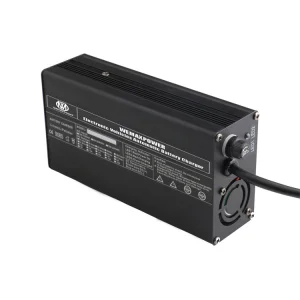
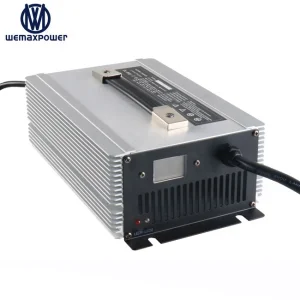
Tokyo's metropolitan departments and facility management operators are progressively shifting towards electric machinery. This includes electric weeders for public parks in Shinjuku, automated floor scrubbers in Haneda Airport, and electric maintenance vehicles. Operating these machines requires robust chargers equipped with rugged aluminum alloy casings and dustproof, shockproof electronic structures, capable of performing in demanding outdoor conditions.
Our charging systems incorporate advanced LLC resonant converter topologies, achieving up to 92%+ power conversion efficiency, lowering grid draw costs in high-tariff zones like Tokyo.
Built-in industrial-grade protections protect against overvoltage, overcurrent, short circuit, reverse polarity, and thermal runaway, protecting capital assets.
Unifying cost-effective supply chain dynamics with rigorous, multi-stage quality assurance.
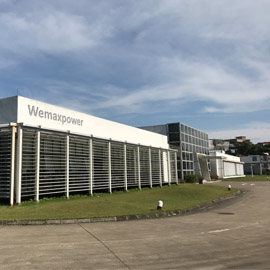
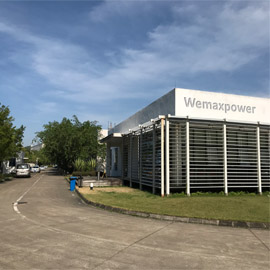
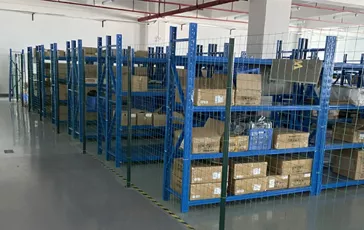
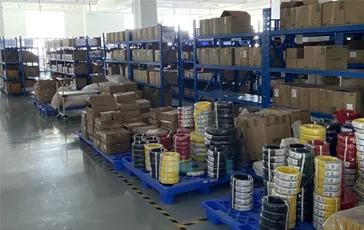
Shenzhen Wemaxpower Technology Co., Ltd. represents the absolute standard in power supply manufacturing. Boasting 7 years of deep-domain R&D expertise, Wemaxpower leverages Shenzhen's premium electronics ecosystem to manufacture state-of-the-art power conversion systems. Our dynamic catalog spans across programmable DC power supplies, DC-DC converters, heavy-duty battery chargers, and specialized power modules, catering to demanding industrial operations worldwide.
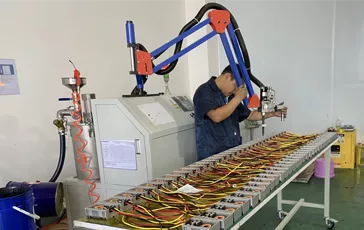
To assure absolute reliability for our Japanese partners in Tokyo, every batch we produce undergoes a strict, 4-step Quality Control (QC) process. This removes any operational variance and ensures compliance with global standards:
Comprehensive component level testing including semiconductor inspection, transformer winding checks, and thermal pad validation before production starts.
In-line verification of PCBA circuit layouts, soldering quality, and structural layout of switching controllers under operational parameters.
Comprehensive verification of nominal current output, voltage adjustment range, dynamic load response, and over-temperature safety triggers.
Every unit is subjected to sustained maximum load burn-in and thermal cycle testing inside controlled chambers to simulate long-term field use.
By keeping strict control over manufacturing overhead and integrating top-tier R&D, we offer Tokyo importers, distributors, and OEMs a competitive edge: highly robust, Japanese-grid-compatible chargers at a fraction of the cost of domestic competitors, backed by direct engineering support.

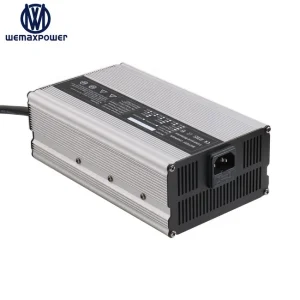
Designed for multi-phase applications, high-reliability municipal services, and industrial battery maintenance operations across Tokyo.
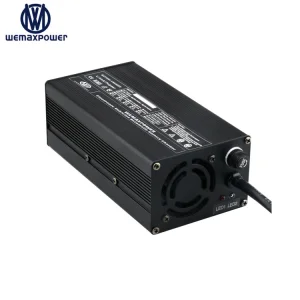
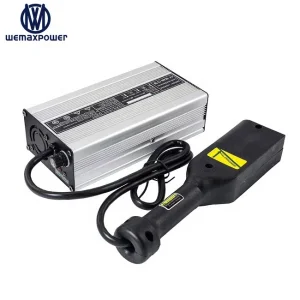
High-efficiency power converters specialized for clinical eldercare mobility, golf operations, and heavy lawn care electronics.
Essential technical parameters for Japanese electrical hardware integration.
Importing battery chargers into Japan requires strict compliance with domestic grid requirements. Most notably, Eastern Japan, including Tokyo, operates on a **100V AC nominal voltage grid at a 50Hz frequency**, in contrast to Western Japan (Osaka/Kyoto) which runs at 60Hz. If you purchase chargers configured solely for standard European 220V grids, your equipment will underperform or fail when connected to Japan's 100V distribution lines.
Wemaxpower resolves this barrier by offering **wide-range global input designs (90V - 264V AC)**, making our products fully compatible with Japan's single-phase 100V and three-phase 200V industrial grids. Furthermore, our units are engineered to comply with METI (Ministry of Economy, Trade and Industry) safety regulations under the PSE guidelines. This helps Tokyo-based buyers avoid costly border delays, custom holds, or regulatory compliance failures.
Expert answers addressing the technical, regulatory, and logistics queries of Tokyo procurement managers.
Yes. We customize and manufacture our battery chargers to meet the strict criteria of Japan's Electrical Appliance and Material Safety Law (PSE). B2B clients in Tokyo can specify their compliance requirements during the RFQ phase, and our engineers will supply models matching either Circular PSE or Diamond PSE structures depending on the output classification.
Tokyo and surrounding Kanto prefectures run on 100V AC at 50Hz. Wemaxpower battery chargers are engineered with universal wide-range switching inputs (typically 90VAC - 264VAC, 50/60Hz), allowing them to operate reliably in Tokyo without requiring step-up transformers.
Our quality assurance is multi-layered. First, raw materials (silicon diodes, transformers, capacitors) are checked for tolerance. Second, during assembly, we test intermediate components (PCBA layout). Third, finished products are tested for correct voltage, current limit, and protection triggers. Lastly, we run all units through continuous load aging chambers to eliminate early failures before packing.
Yes. We manufacture multi-chemistry units with adjustable or preset charging profiles. Our intelligent microprocessors change the charge curve (such as CC, CV, and Float/Trickle modes) to optimize the safety and lifespan of the battery chemistry in use.
For standard configurations, production takes 15 to 21 days. Custom configurations (OEM plug connectors, specialized voltage thresholds, or specific IP ratings) take 25 to 35 days. Shipments from our factory in Shenzhen to the Port of Tokyo typically arrive within 5 to 7 days via express maritime cargo.
Absolutely. We provide a wide range of DC connectors, including Anderson (SB50, SB175, SB350), Crowfoot, XLR, Aviation plugs, and customized direct wire setups to ensure compatibility with your existing fleet.
Our aluminum alloy housings provide passive heat dissipation, allowing the charger to run cool without demanding loud external fans. This design prevents moisture, dust, and particulate entry, protecting inner components in coastal or industrial settings near Tokyo Bay.
Every charger has built-in protections against over-voltage, short circuits, reverse polarity, over-current, and over-temperature. If temperature thresholds are exceeded, the charger reduces output or shuts down until safe operating conditions return.
 Wemax Power