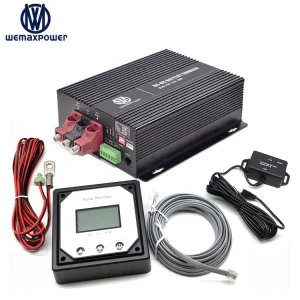
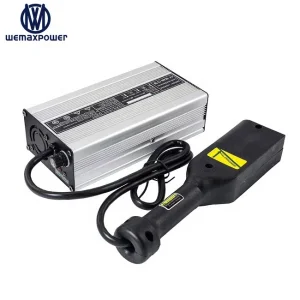
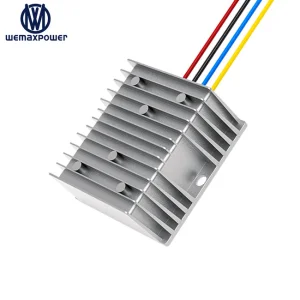
Direct import systems optimized for the high-frequency requirements of Cambridge laboratories, maritime engineering projects, and local advanced manufacturing lines.
An analytical review of advanced electronic design, procurement dynamics, and technical compliance in Massachusetts' leading innovation cluster.
The Greater Boston area—including Cambridge, the Kendall Square biotech hub, and the Route 128 technology corridor—constitutes one of the world's most demanding arenas for advanced electronic design. Unlike commodity manufacturing hubs, Boston's industrial core focuses heavily on low-volume, high-complexity systems. These sectors, ranging from complex medical imaging machines to deep-ocean autonomous vehicles and robotic defense apparatus, require custom and semi-custom power topologies.
In this local ecosystem, power reliability is not merely a benchmark of operation; it is a critical component of regulatory approval and liability prevention. When engineering complex medical diagnostics systems or developing autonomous military platforms, transient voltage drops or electrical noise can result in corrupted signal integrity or catastrophic system failure. Consequently, the demand for programmable power supplies featuring precise digital control loops, low ripple noise, and programmable waveforms has escalated dramatically across Massachusetts-based engineering consultancies.
Globally, the programmable power supply industry is undergoing a transition driven by Wide-Bandgap (WBG) materials like Silicon Carbide (SiC) and Gallium Nitride (GaN). Traditional silicon-based switching architectures are reaching their physical limitations in terms of thermal efficiency, maximum switching frequency, and system power density. By integrating GaN and SiC devices into DC/DC converters and programmable switching power supplies, manufacturers can achieve:
For the Boston market, this technological progression translates directly to highly compact footprint solutions. Academic institutions like MIT and Harvard, in partnership with defense and aerospace primes, frequently mandate power supplies with maximum power density for flight-ready instrumentation or marine surveying pods where weight and thermal dissipation space are extremely limited.
Firms based in New England face the dual challenge of rapid development cycles and budgetary targets. While local domestic system integrators offer local field engineers, the capital cost of specialized programmable instrumentation can be prohibitive. This makes high-quality offshore manufacturing partnerships essential. Companies like Shenzhen Wemaxpower Technology Co., Ltd. bridge this gap by offering a hybrid model that combines localized engineering design flexibility with the cost-efficiency of the Shenzhen electronics supply chain.
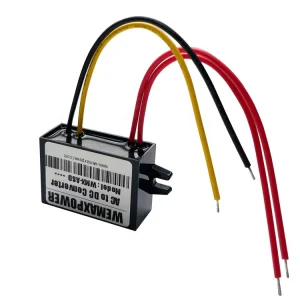
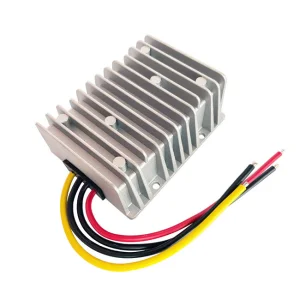
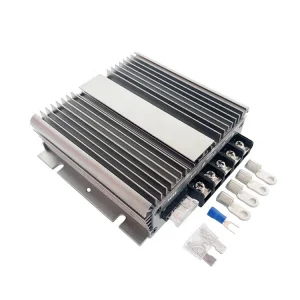
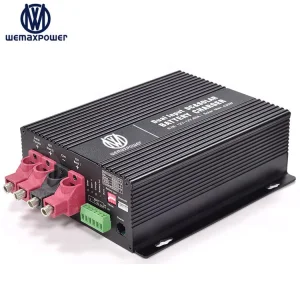
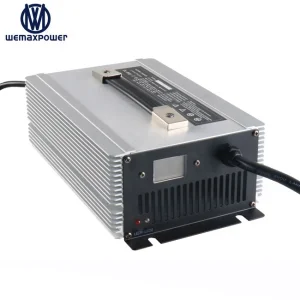
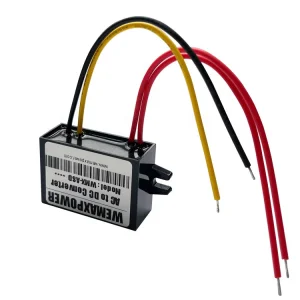
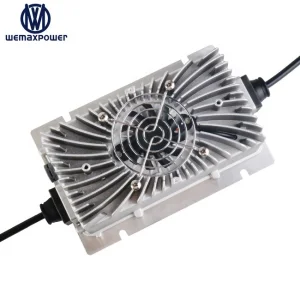
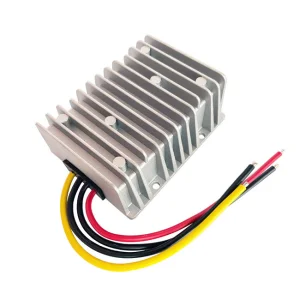
By leveraging access to immediate component staging, automated surface mount technology (SMT) lines, and a robust component ecosystem, Wemaxpower delivers advanced programmable power units, high-amperage battery chargers, and DC-DC step-down converters at a fraction of the cost of domestic European or US OEMs. This is achieved without sacrificing material quality, utilizing Japanese capacitors, international-standard magnetic materials, and digital control ICs from leading global semiconductor manufacturers.
How our high-power systems satisfy international regulatory systems and sustain long-life operability in key sectors.
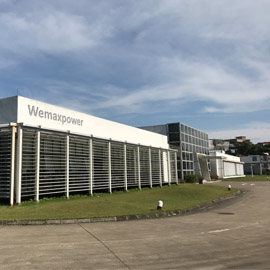
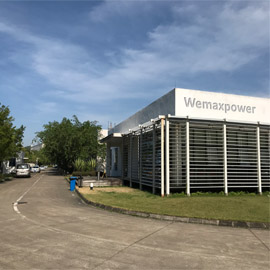
An inside look at our 7-year specialized factory systems, built to design and test DC-DC converters, programmable DC units, and heavy-duty smart charging modules.
Every programmable power supply, DC-DC converter, and custom charger produced by Shenzhen Wemaxpower Technology Co., Ltd. undergoes a comprehensive 4-step quality assurance program before leave-factory authorization:
This systematic methodology ensures that engineers in Boston receiving our products can deploy them directly into cleanrooms, research labs, or robotic control panels with confidence.

Fully optimized surface mount technology ensures exact layout geometry, minimizing parasitic capacitance.
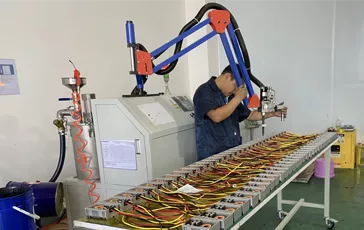
Custom software profiles program dynamic test profiles across multiple voltage ranges to check protection systems.

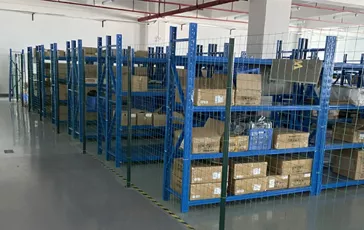
Multi-layered protective boxing and static shielding prevent physical and static discharge damage during transit.
From medical imaging devices in Cambridge to oceanographic research at Woods Hole, our units adapt to diverse operating conditions.
Low-noise, isolated power conversion blocks prevent trace voltage signals from interfering with biological data gathering. Our 24V converters are widely deployed in bio-imaging cameras and centrifuge electronics cabinets.
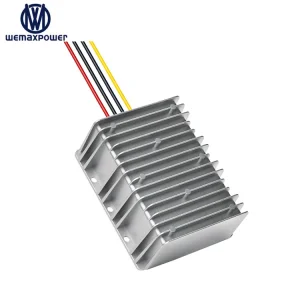
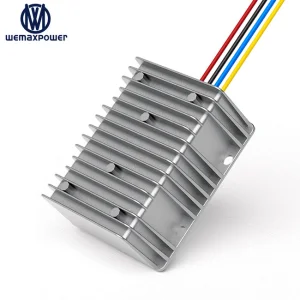
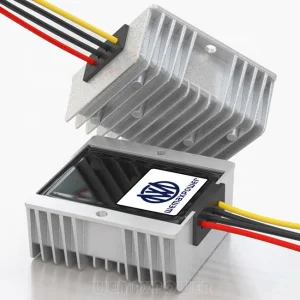
New England's extensive marine research centers require IP67 waterproof components for shipboard electronics, sensors, and motor controls. Our sealed step-down converters maintain operational integrity under marine salt spray.
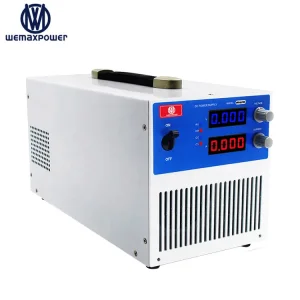
Engineering departments require high-resolution variable DC sources to validate experimental circuit designs. Featuring constant current (CC) and constant voltage (CV) modes, our bench supplies provide stable outputs with digital step settings.
Answering standard system integration questions commonly raised by electronic hardware engineers and components buyers.
Explore our full line of converters, adjustable power modules, and smart chargers, complete with detailed specifications.
Whether you require custom electrical enclosures, specialized output voltage configurations, or high-volume import container routing, our technical support engineers are available to review your design schematics.
Send Inquiry Now Wemax Power