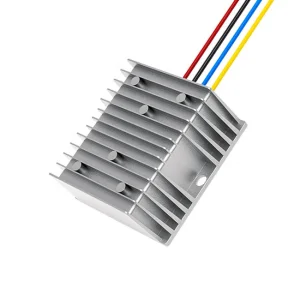
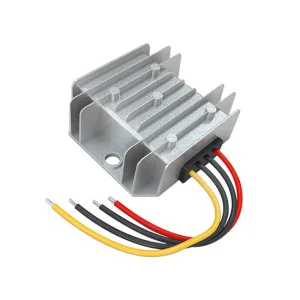
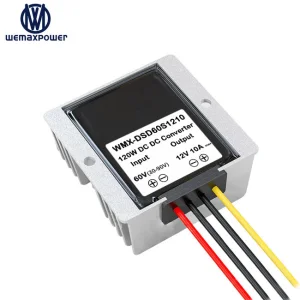
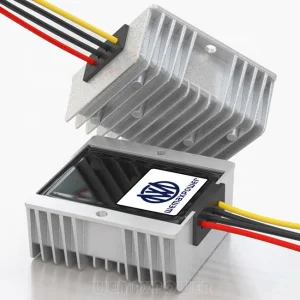
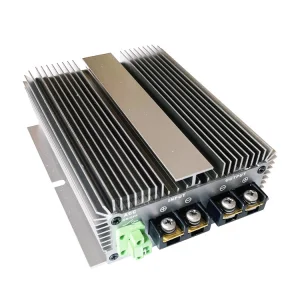
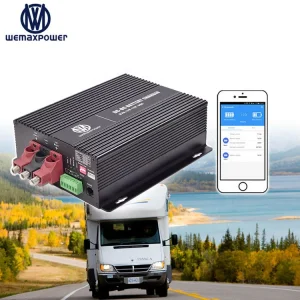
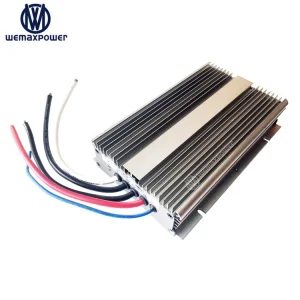
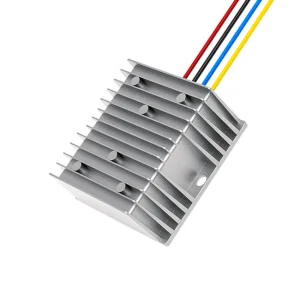
In the modern industrial ecosystem, stable power delivery is the foundation of technological advancement. As global manufacturing, telecommunications, and electrified transport networks evolve, the demand for highly reliable, energy-efficient power conversion modules has skyrocketed. The Step Up-Down DC-DC Converter (also referred to as a buck-boost converter) has transitioned from a specialized electronic component into a critical macro infrastructure enabler.
Procurement teams and design engineers face constant challenges in finding rugged converters that offer wide input voltage ranges, dynamic stabilization, and minimal thermal footprint. At the same time, strict international import and regulatory benchmarks require components to carry verified CE certification, ensuring compliance with low voltage directive (LVD) and electromagnetic compatibility (EMC) standards. As an established pioneer in power electronics, Shenzhen Wemaxpower Technology Co., Ltd. bridge this gap by supplying highly customized, rugged, and globally compliant power modules.
Understanding the underlying topography of step up-down converter technology is vital to maximizing hardware longevity. Systems operating in vehicles, battery banks, or remote telecommunication sites often experience drastic voltage fluctuations. For instance, when starting a heavy-duty diesel engine, the system line voltage can sag significantly, only to surge once the alternator takes over.
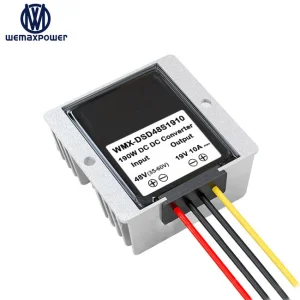
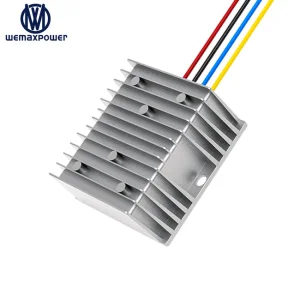
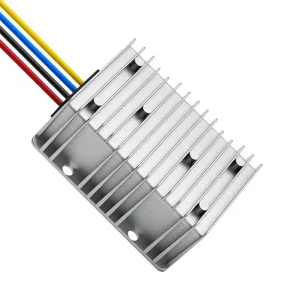
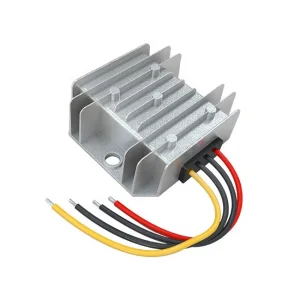
Wemaxpower's DC-DC converters utilize a synchronous rectification buck-boost circuit topology. This topology allows the converter to dynamically maintain a precise, pre-set output voltage even when the input line voltage drops below or rises above the target value.
We design both high-efficiency non-isolated architectures for vehicle cabins where weight and size are prioritized, and isolated converters (galvanic isolation up to 1500V) to prevent ground loops and protect delicate microprocessors in heavy industrial environments.
Utilizing high-thermal-conductivity potting compound combined with aviation-grade extruded aluminum alloy housings ensures our IP67/IP68 structures operate continuously in extreme temperatures from -40°C to +85°C.
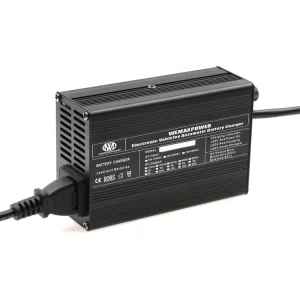
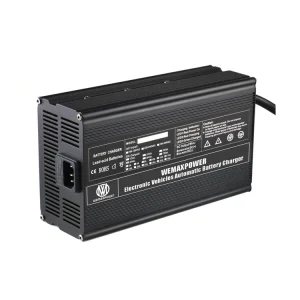
Equipped with advanced algorithmic control, our chargers feature a three-stage charging mode: Constant Current (C.C), Constant Voltage (C.V), and Float/Trickle, tailored for both lead-acid and modern LiFePO4 batteries.
Standard off-the-shelf power modules rarely meet the rigorous demands of complex industrial infrastructure. Different industries demand highly specialized configurations:
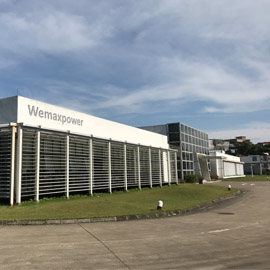
Shenzhen Wemaxpower Technology Co., Ltd. is a prominent manufacturer with 7 years of experience specializing in programmable DC power supplies, DC-DC converters, and robust power modules. We serve demanding global markets by focusing heavily on engineering quality and multi-lingual customer support.
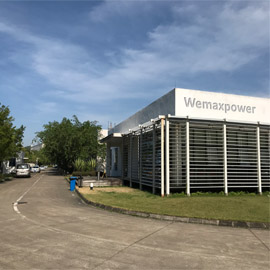
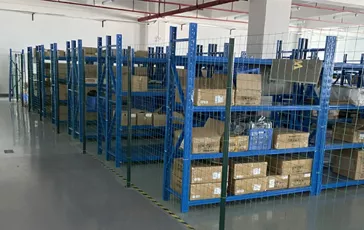
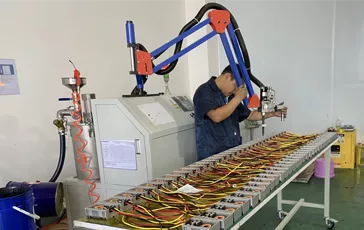
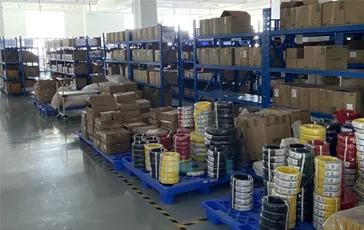
The factory team will deliver you quality-guaranteed orders through our systematic 4-Step Quality Control (QC) Process:
All semiconductor components, inductors, capacitors, and enclosure housings undergo incoming quality control (IQC) to filter out substandard materials.
PCBA inspections post-SMT soldering via Automated Optical Inspection (AOI) to verify component values, alignment, and joint integrity.
Every single power unit is analyzed for conversion efficiency, output ripple voltage, load regulation accuracy, and protection threshold triggers.
Every converter experiences a full-load, high-temperature environmental burn-in run for a minimum of 4 to 8 hours to eliminate early-stage component failures.

The future of DC-DC step up-down technology is driven by the demand for higher power densities, wider bandgap semiconductors, and intelligent system networking. Our research and development is currently focused on two primary pillars:
Traditional silicon-based transistors suffer from switching loss limitations, which restrict maximum operating frequencies. By transitioning key high-power product lines to SiC and GaN transistors, Wemaxpower plans to push the boundaries of switching frequencies beyond 500kHz. This advancement drastically reduces the footprint of passive components (magnetic cores and filter capacitors) while maintaining peak conversion efficiencies over 98%.
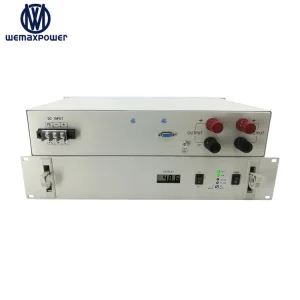
Modern smart grids and autonomous industrial equipment require converters that can communicate real-time health diagnostics. Upcoming versions of our 19-inch rack-mount modules and high-power battery chargers will feature integrated CAN bus or RS485 communication protocols, allowing operators to monitor current draw, device temperature, and efficiency matrices remotely.
Navigating international import regulations can be a bottleneck for global distributors and OEMs. Wemaxpower maintains strict alignment with global trade requirements:
 Wemax Power