Engineered to deliver high conversion efficiency, robust thermal protection, and stable voltage regulations for complex industrial environments.
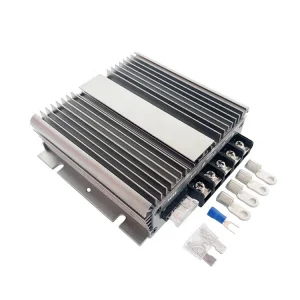
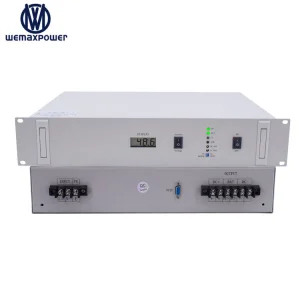
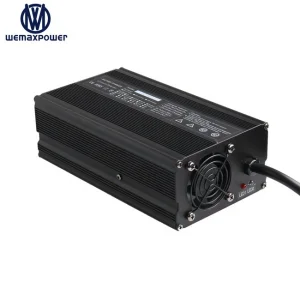
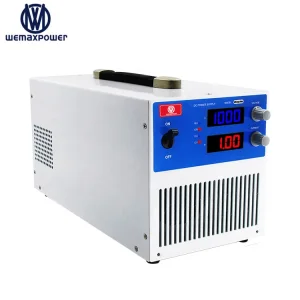
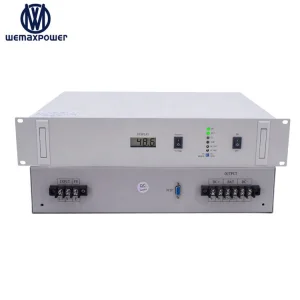
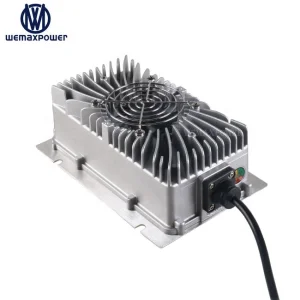
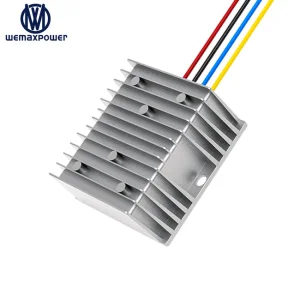
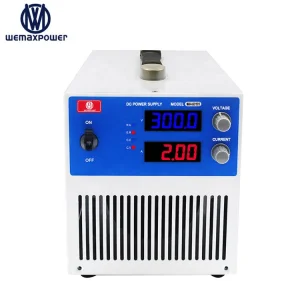
In the modern era of electrification, distributed power architectures, and green energy migration, the demand for highly reliable, highly efficient voltage translation has skyrocketed. Step-up converters (boost topologies) form the primary backbone of voltage matching networks. Whether bridging low-voltage battery banks (12V, 24V, or 48V) to high-voltage traction grids or aligning localized industrial buses with telecommunication standards, step-up power converters serve as the critical path in energy delivery.
Industries ranging from telecommunications and automated logistics to marine electrical distribution and renewable energy microgrids face mounting challenges: heat mitigation, strict EMI compliance, footprint reduction, and system longevity. Choosing a reputable manufacturer with proven R&D expertise and state-of-the-art manufacturing standards is no longer just about buying parts—it is a critical strategic partnership for system resilience and long-term operating cost reduction.
At Shenzhen Wemaxpower Technology, our engineering department prioritizes synchronous rectification (SR) topology over traditional asynchronous diode rectification for high-power step-up converters. Dynamic switching losses are minimized by replacing Schottky diodes with low-resistance MOSFETs, shifting efficiency envelopes past 95%. This drastically minimizes heat production, a vital factor when converters are integrated into confined rack environments (such as 19-inch 2U telecom cabinets) or sealed IP67 enclosures for outdoor marine and electric vehicle platforms.
Thermal management remains a crucial benchmark in our R&D roadmap. We deploy advanced aluminum clad PCBs, thermally conductive silicone encapsulation, and precise computational fluid dynamics (CFD) simulation for passive and active heat dissipation. Our converters are engineered to operate continuously at full load across demanding ambient temperature profiles from -40°C up to +85°C.
"Efficiency is not just about power savings; it is directly related to hardware lifetime. A 4% reduction in energy loss cuts thermal load inside the chassis in half, doubling the expected lifetime of capacitor banks and switching silicon."
The table below illustrates common industrial voltage-translation paradigms and our engineering solutions designed to bridge input-output gaps efficiently.
| Application Scenario | Typical Input Range | Target Output | Isolation Level Required | Critical Engineering Metric |
|---|---|---|---|---|
| Telecom Infrastructure / UPS | 12V / 24V / 48V DC | 48V / 220V DC | Isolated (Safety & Noise Mitigation) | High density, low output ripple (<100mV) |
| AGV / Electric Scooter Battery Chargers | 85V - 264V AC | 48V / 60V / 72V / 84V DC | Isolated (User Safety) | CC/CV Smart Charging curves, auto-shutoff |
| On-board Marine & Car Electronics | 12V / 24V DC | 19V / 24V / 48V DC | Non-isolated / Isolated options | IP67 rating, extreme vibration resistance |
| High Voltage Testing & Laboratories | 110V / 220V AC | 0 - 1000V DC (Adjustable) | Highly Isolated (Galvanic Barrier) | Analog control integration (0-5V/0-10V control) |
Navigating the next generation of power electronics with Wide Bandgap semiconductors and digital loop controls.
By integrating Gallium Nitride (GaN) and Silicon Carbide (SiC) switches, we are pushing the boundaries of switching frequencies into megahertz ranges. This results in an immediate 40% reduction in inductive and capacitive filter component sizing, enabling higher energy densities in rack and on-board applications.
Transitioning from analog loops to high-speed Digital Signal Processor (DSP) regulation. This permits real-time adjustments, predictive control algorithms, and highly flexible communication interfacing via CAN bus, Modbus, or PMBus protocols.
Self-healing topologies with programmable OVP (Over Voltage Protection), OCP (Over Current Protection), OTP (Over Temperature Protection), and short-circuit auto-recovery, ensuring zero catastrophic failure points down the power line.
Establishing trustworthiness through relentless testing and rigorous manufacturing frameworks.
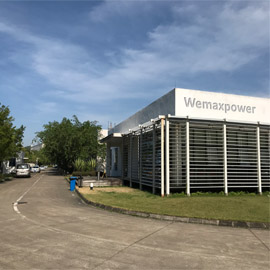
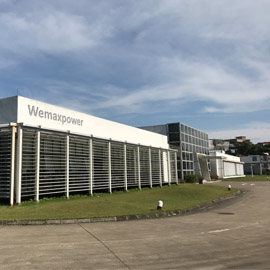
With over 7 years of specialized experience, Shenzhen Wemaxpower Technology Co., Ltd. has established itself as an authoritative leader in the development and manufacturing of programmable DC power supplies, step-up/down converters, battery chargers, and specialized power modules. Our systems are engineered to withstand the harshest industrial operating conditions.
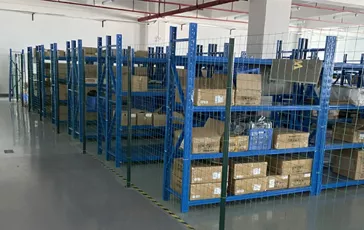
To achieve high reliability, every module produced in our facility undergoes a rigid 4-step quality control process. We reject shortcuts and ensure that no untested hardware is ever packaged. From component incoming inspections up to prolonged load tests under severe temperature conditions, reliability is embedded at every manufacturing step.

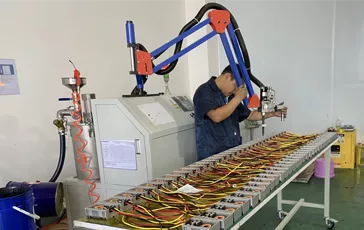
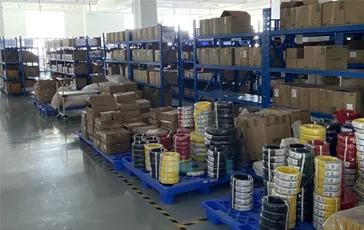
Calibrated laboratory instrumentation for advanced validation of programmable DC power supplies.
Answering critical queries on engineering, selection, installation, and optimization of step-up systems.
Explore more specialized DC-DC converter topologies, waterproof battery chargers, and variable lab power supplies.
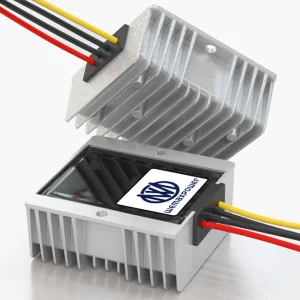
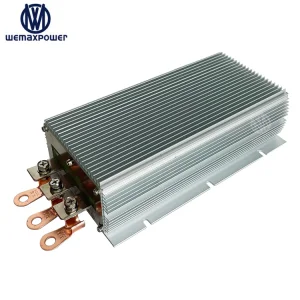
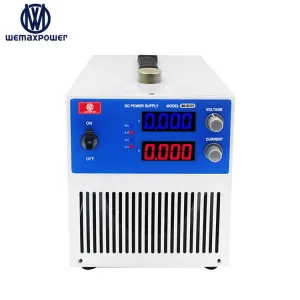
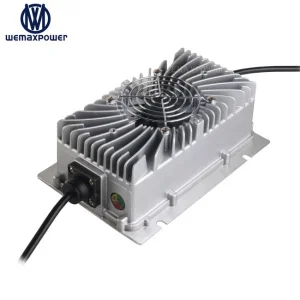
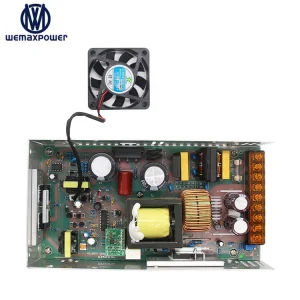
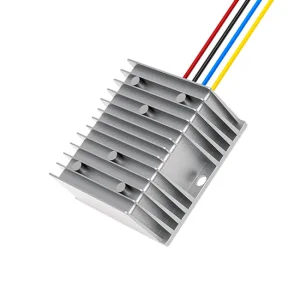
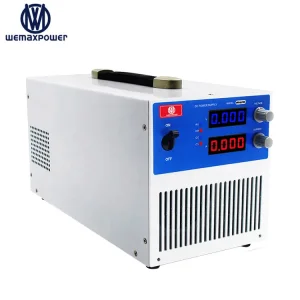
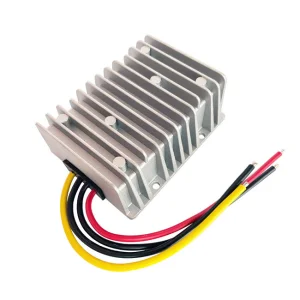
Integrating conversion topologies into large-scale electrical grids, marine architectures, and automation plants.
Logistics warehouses rely heavily on Automated Guided Vehicles (AGVs) operating on 24V or 48V power loops. The integrated micro-processing units and optical sensors demand ultra-clean 5V or 12V inputs, while motors demand heavy current boosts. Our step-up/down solutions provide clean, noise-isolated power pathways directly from the main heavy-duty traction batteries, protecting sensors from motor surge interference.
Remote base stations frequently encounter line voltage drops when delivering power over long copper spans from central backup generation sites. Incorporating our step-up DC-DC converters at input terminals permits high-efficiency transmission at higher voltages, stepping back down locally to run high-density telecom equipment. This reduces system copper costs while stabilizing terminal node performance.
 Wemax Power