Explore our high-performance miniature and specialized power supply portfolio designed for robust industrial environments.
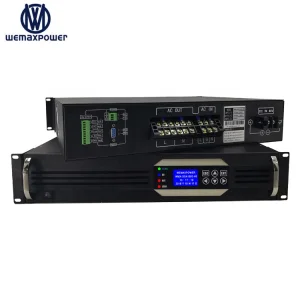
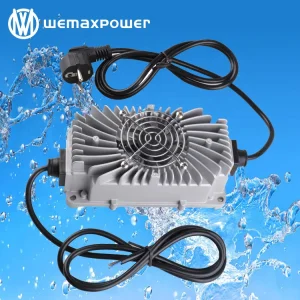
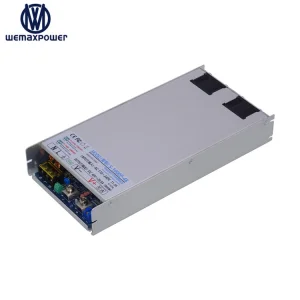
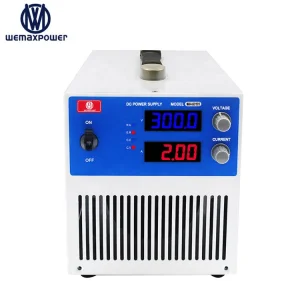
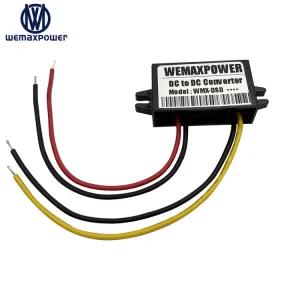
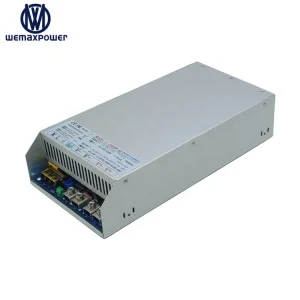
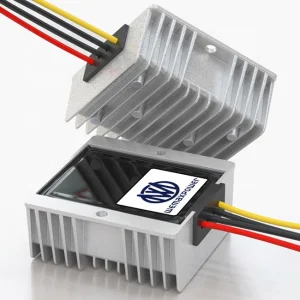
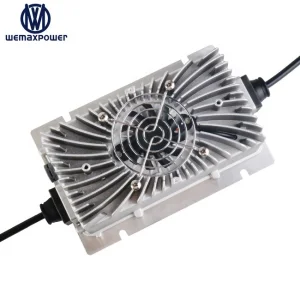
In modern industrial and consumer electronics design, the demand for high-efficiency, small-form-factor energy transformation has reached an inflection point. Miniature power supplies, which include low-profile AC-DC converters, high-density DC-DC buck/boost converters, and compact programmable laboratory modules, constitute the fundamental infrastructure of automated systems. Driven by trends in miniaturization, IoT proliferation, and green grid compliance, global procurers look to expert manufacturers that can balance high-frequency topologies with superior thermal management.
Sourcing from premier hubs like Shenzhen, China, requires an understanding of how manufacturers optimize power density. A miniature power supply is no longer just a passive transformer coupled with a linear regulator. Modern configurations deploy High-Frequency Switching Mode (SMPS) architectures, utilizing Active Power Factor Correction (PFC) and advanced synchronous rectification to achieve power efficiencies exceeding 94%. For B2B buyers and technical directors, locating a supplier capable of maintaining tight line/load regulation within restricted physical dimensions is critical for downstream equipment reliability.
When selecting from the top miniature power supply exporters, engineering procurement teams must evaluate several critical parameters beyond cost. Under-designed power solutions represent the leading point of failure in industrial installations. To mitigate this risk, the following technical vectors must form the basis of any Request for Proposal (RFP):
Miniaturization directly limits the available surface area for heat dissipation. Buyers must analyze the thermal derating curves. High-tier exporters design enclosures using high-conductivity thermal potting materials and aluminum chassis structures that maintain full rated output up to 50°C ambient before linear derating begins.
High-frequency switching inevitably generates electromagnetic noise. Exporters must integrate comprehensive EMI filters (Pi-filters and common-mode chokes) directly onto the PCB. The power modules should comply with strict international standards, including EN55032 Class B for radiated and conducted emissions.
In industrial and marine applications, voltage fluctuations and inductive spikes are common. Sourcing agents should prioritize converters with wide input ranges (e.g., 2:1 or 4:1 ratios) and built-in transient voltage suppressors (TVS diodes) that protect internal switching topologies from catastrophic breakdown.
Furthermore, reliability is measured by MTBF (Mean Time Between Failures). Premier manufacturing facilities leverage high-grade Japanese capacitors (rated for 105°C and long lifespans) and perform extensive thermal simulations during the design phase. Sourcing from certified partners guarantees these engineering procedures are systematically followed.
Miniature power supplies are customized for specific vertical markets, each with its own regulatory and operational requirements:
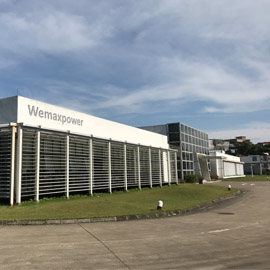
Shenzhen Wemaxpower Technology Co., Ltd. combines 7 years of specialized manufacturing experience to deliver high-reliability power modules globally.
Shenzhen Wemaxpower Technology Co., Ltd. is a leading manufacturer specializing in programmable DC power supplies, high-performance DC-DC converters, and integrated power modules. Serving multiple international markets, our business model focuses on quality control, customer technical support, and structural durability. Every order is managed by our dedicated factory team to guarantee exact compliance with client specifications.


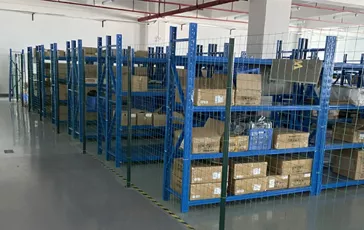
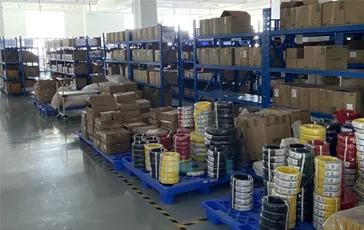
Comprehensive verification of incoming capacitors, semiconductor switches, magnetic cores, and PCBs against strict electrical tolerances.
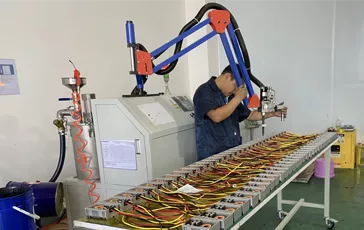
In-circuit testing (ICT) and inspection of sub-assembly switching loops to detect any component assembly issues before final sealing.
Verification of voltage regulation accuracy, transient response times, ripple noise limits, and protective circuit thresholds.
Full-load thermal burn-in testing under controlled high-temperature conditions to eliminate infant mortality failures and ensure long-term field reliability.
The miniature power conversion sector is shifting toward wide-bandgap (WBG) semiconductors, such as Gallium Nitride (GaN) and Silicon Carbide (SiC). Traditional silicon-based MOSFETs face physical limitations at switching frequencies above 100 kHz. Transitioning to GaN allows switches to operate efficiently in the MHz range. This higher frequency reduces the size required for energy-storage components, such as inductors and planar transformers, enabling a reduction in overall module volume.
Another major trend is the integration of digital control loops using Digital Signal Processors (DSPs). Unlike traditional analog feedback loops, digital control allows real-time tuning of switching algorithms to adapt to varying load conditions. This maximizes efficiency across the entire load profile. Digital control also supports communication protocols like PMBus and CANbus. These protocols enable systems to report parameters such as operating temperatures, input/output current, and early component degradation signals to a central supervisory controller.
Finally, co-packaging techniques (such as System-in-Package, or SiP) are gaining traction. By integrating the controller, driver, and power switches into a single leadframe, parasitic loop inductances are minimized. This design improvement reduces voltage spikes and electromagnetic noise, simplifying compliance and shielding requirements for integration engineers.
Exporting high-quality power components globally requires strict alignment with safety and regulatory standards. For European markets, CE certification (specifically compliance with the Low Voltage Directive 2014/35/EU and the EMC Directive 2014/30/EU) is mandatory. In North America, UL/cUL recognition under standard 62368-1 is standard for audio, video, information, and communication technology equipment.
Environmental standards also play a key role in procurement decisions. Compliance with RoHS (Restriction of Hazardous Substances) and REACH directives is necessary to ensure hazardous materials are excluded from the manufacturing process. For challenging outdoor deployments, equipment must meet ingress protection levels of IP65, IP67, or IP68 to protect against dust and water penetration.
In addition to certifications, access to responsive engineering support is a critical selector for partners. Providing localized technical support, custom cable assemblies, modified output voltage ranges, and quick-turn prototyping services helps procurement teams resolve integration challenges and keep project timelines on track.
Clear answers to key technical questions from engineering and procurement managers.
Browse our selection of heavy-duty, regulated, and step-down converters designed for demanding industrial operations.
 Wemax Power