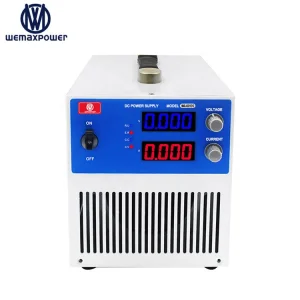
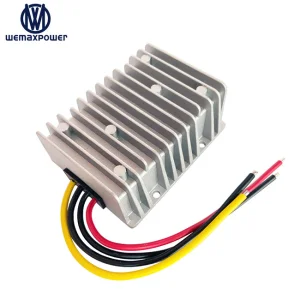
High-Efficiency Switched-Mode Regulators, Custom Converters, and Intelligent Variable Power Supplies for Global Electronics Infrastructure & Critical Systems.
Engineered for robust performance under extreme operating conditions. Explore our high-efficiency converters and programmable power supplies.
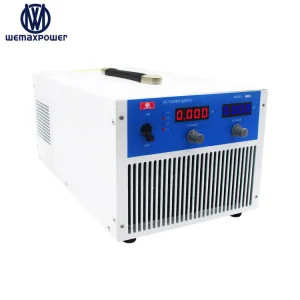
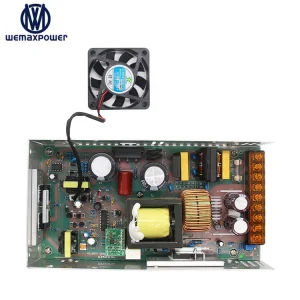
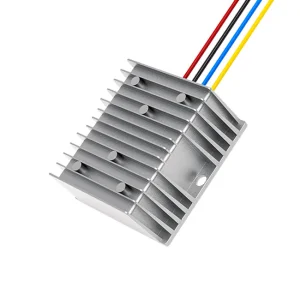
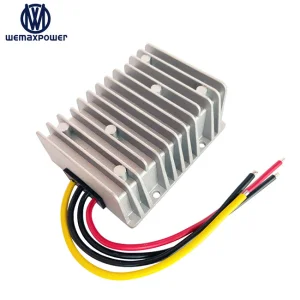
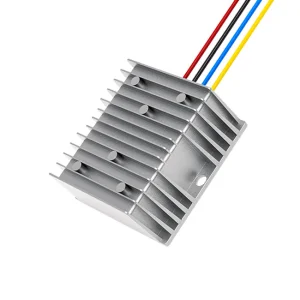
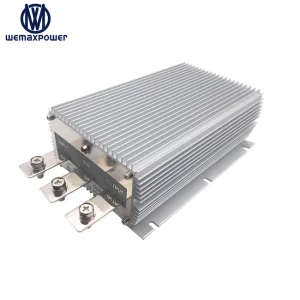
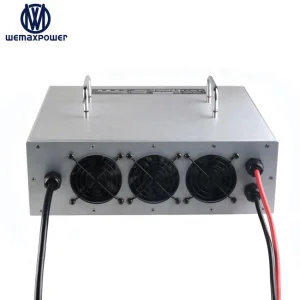
The global transition toward high-efficiency renewable energy grids, smart automotive mobility, and automated factory complexes has driven an unprecedented surge in demand for reliable power conversion topologies. DC-DC power modules represent the structural framework for routing, regulating, and conditioning electrical power within these sophisticated networks.
Historically, low-efficiency linear regulators dominated the electronics sector, but their excessive thermal dissipation restricted their scaling capacity. In contrast, modern switching mode power supplies (SMPS) utilize high-frequency switching technology to minimize power conversion losses. The contemporary market landscape demands converters capable of operating with wide-range input tolerances—handling unstable batteries, industrial DC links, and fluctuating telecom voltage rails while delivering regulated output to critical components.
Applying specialized power topologies to mitigate engineering failure modes across target industries.
Modern electrical environments are prone to dynamic noise, voltage spikes, and grounding problems. For instance, in automated systems, heavy motor starts can drop the bus voltage, disrupting adjacent control circuits. Our specialized DC-DC chargers and converters act as isolators and voltage regulators, ensuring control systems remain powered during transient load drops.
Additionally, electric vehicle (EV) charging demands highly efficient power converters to step down battery pack voltages (such as 72V, 80V, or 96V) to auxiliary logic voltages (12V or 24V). This conversion must run with minimal losses to reduce heat generation inside sealed enclosures, making efficiency a crucial requirement.
Reliable production workflows built upon rigorous industrial testing procedures and premium components.
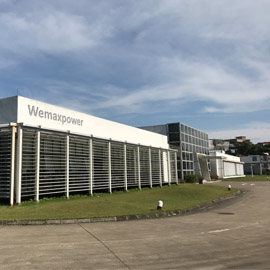
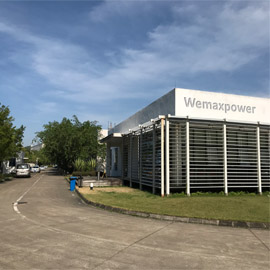
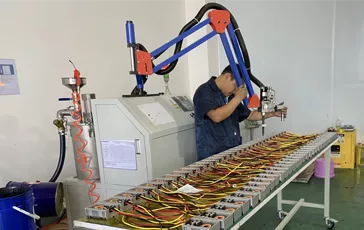
At Shenzhen Wemaxpower Technology Co., Ltd., we develop power systems designed for continuous operation in demanding environments. Our product line includes programmable DC power supplies, step-down/step-up DC-DC converters, and specialized charging modules. Each device undergoes a strict 4-step quality control (QC) workflow to ensure high-stress reliability.
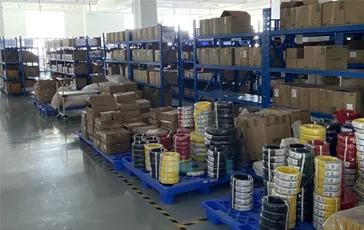
Our engineering team focuses on structural durability. We select premium active semiconductors, high-frequency magnetic cores, and high-temperature capacitors. By focusing on thermal path engineering, our converters operate cooler, extending the lifespan of the entire system.
Our products are deployed in various environments, from standard telecom server racks to marine engine rooms and variable industrial systems. As an established exporter, we understand international compliance demands, and we build compliance directly into our design architecture.
Direct engineering consultation, custom modifications, and reliable support for international buyers.

Analyze design architectures to select the ideal option for your system layout.
| Topological Architecture | Common Voltage Configurations | Conversion Efficiency | Isolation Rating | Primary Industrial Use Cases |
|---|---|---|---|---|
| Buck Converter (Step-Down) | 48V to 19V, 24V to 13.8V, 80V to 24V | 92% – 96% | Non-Isolated / Isolated Options | Logic circuit supply, automotive accessories, mobile computing |
| Boost Converter (Step-Up) | 12V to 24V, 24V to 48V | 90% – 95% | Typically Non-Isolated | Automotive boost systems, battery bank stabilization |
| Buck-Boost (Regulated Multi-input) | 12V/24V Auto-select systems | 91% – 94% | Available Option | Wide-range input battery arrays, marine and solar storage |
| Isolated Galvanic Regulator | 60V/72V/80V to 12V, 80V to 24V | 88% – 94% | 1500VDC to 3000VDC | EV powertrains, rail transit, high-noise industrial controls |
The power electronics industry is transitioning toward wide-bandgap (WBG) semiconductors, such as Gallium Nitride (GaN) and Silicon Carbide (SiC). These materials offer distinct physical advantages over traditional silicon, including higher breakdown voltages, faster switching speeds, and lower thermal resistance.
By implementing GaN switching transistors, modern DC-DC converters can operate at higher switching frequencies. This reduces the physical footprint of magnetic components (inductors and transformers) and capacitors, leading to smaller, lighter power modules with high power density.
Another key development is the growth of digital control loops. Using onboard microcontrollers and DSPs, converters can implement real-time compensation algorithms, adjust duty cycles under varying load conditions, and communicate diagnostic telemetry over PMBus or CAN bus networks. This allows for predictive maintenance and dynamic energy optimization in smart factories and grid systems.
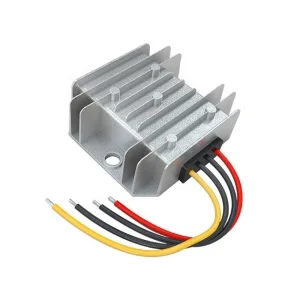
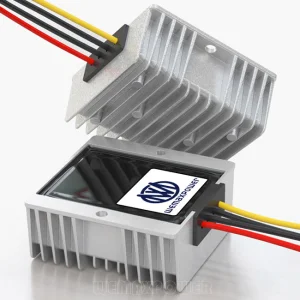
In addition to semiconductor advancements, thermal housing design is critical for long-term reliability. IP67-rated waterproof enclosures, aluminum alloy heat sinks, and thermally conductive potting materials help protect circuits from moisture, dust, and mechanical vibration.
At Shenzhen Wemaxpower Technology, our R&D roadmap focuses on integrating these digital monitoring features and advanced thermal designs into high-voltage models. This ensures our power modules continue to meet the needs of evolving automotive and energy systems.
Technical responses to common inquiries regarding installation, safety configurations, and module selection.
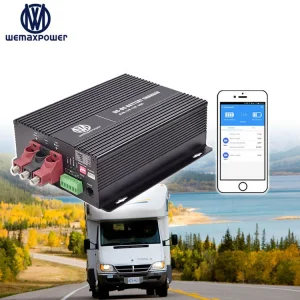
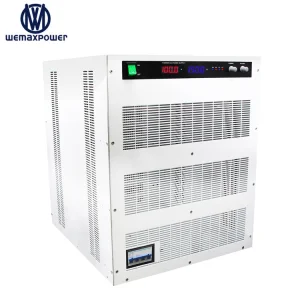
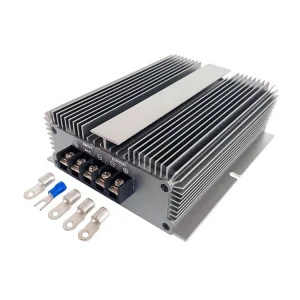
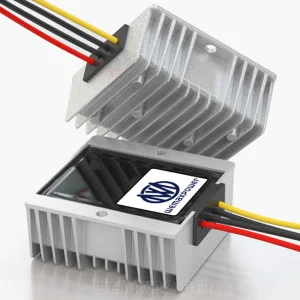
High-current battery chargers, buck-boost modules, and stabilized power supplies for specialized industrial applications.
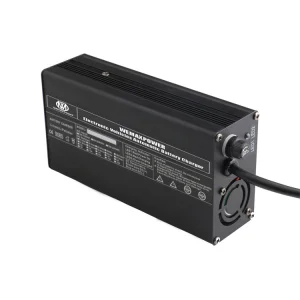
 Wemax Power